









Marin Crangaci

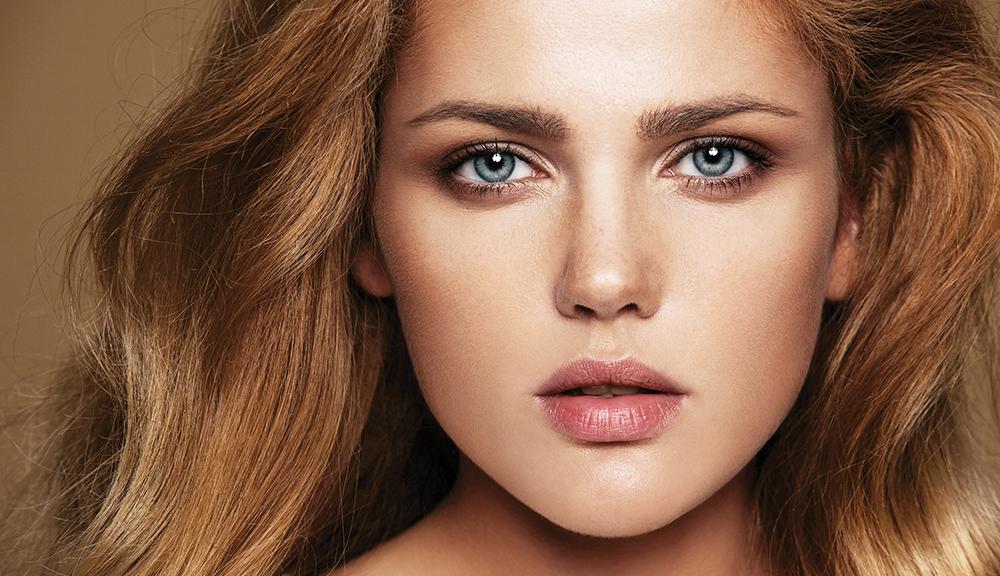
The Hidden Impact of Makeup on Your Skin and How Ozonated Oils Can Help Restore Its Health
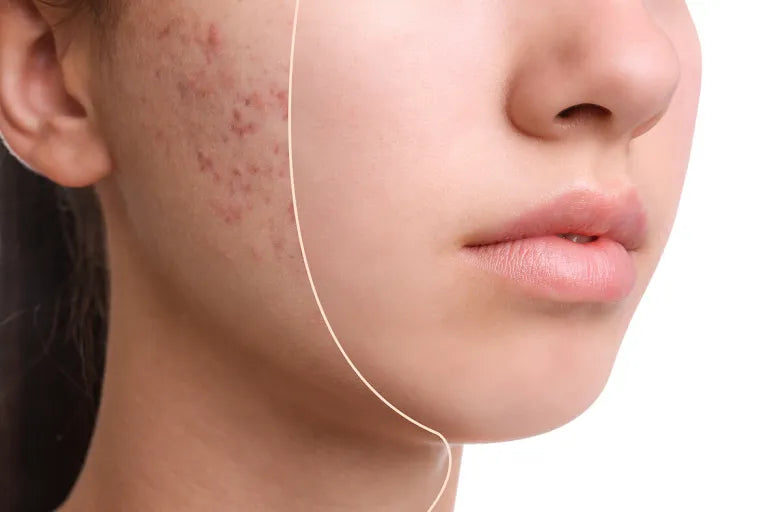
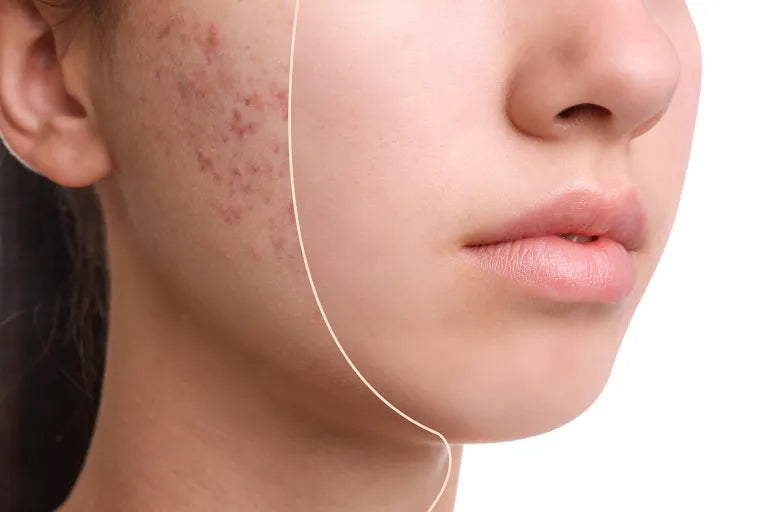
Makeup is an essential part of many people's daily routine, enhancing confidence and self-expression. However, frequent and prolonged use of cosmetics can have negative effects on skin health. The combination of heavy foundations, powders, and long-wearing lipsticks can clog pores, cause irritation, and contribute to premature aging. To counteract these effects, natural skincare solutions, such as ozonated oils, can play a crucial role in maintaining a healthy complexion. How Makeup Affects Skin Health 1. Clogged Pores and Acne Breakouts Many makeup products contain ingredients like silicones and oils that can trap dirt and bacteria in the pores, leading to blackheads,...
Marin Crangaci

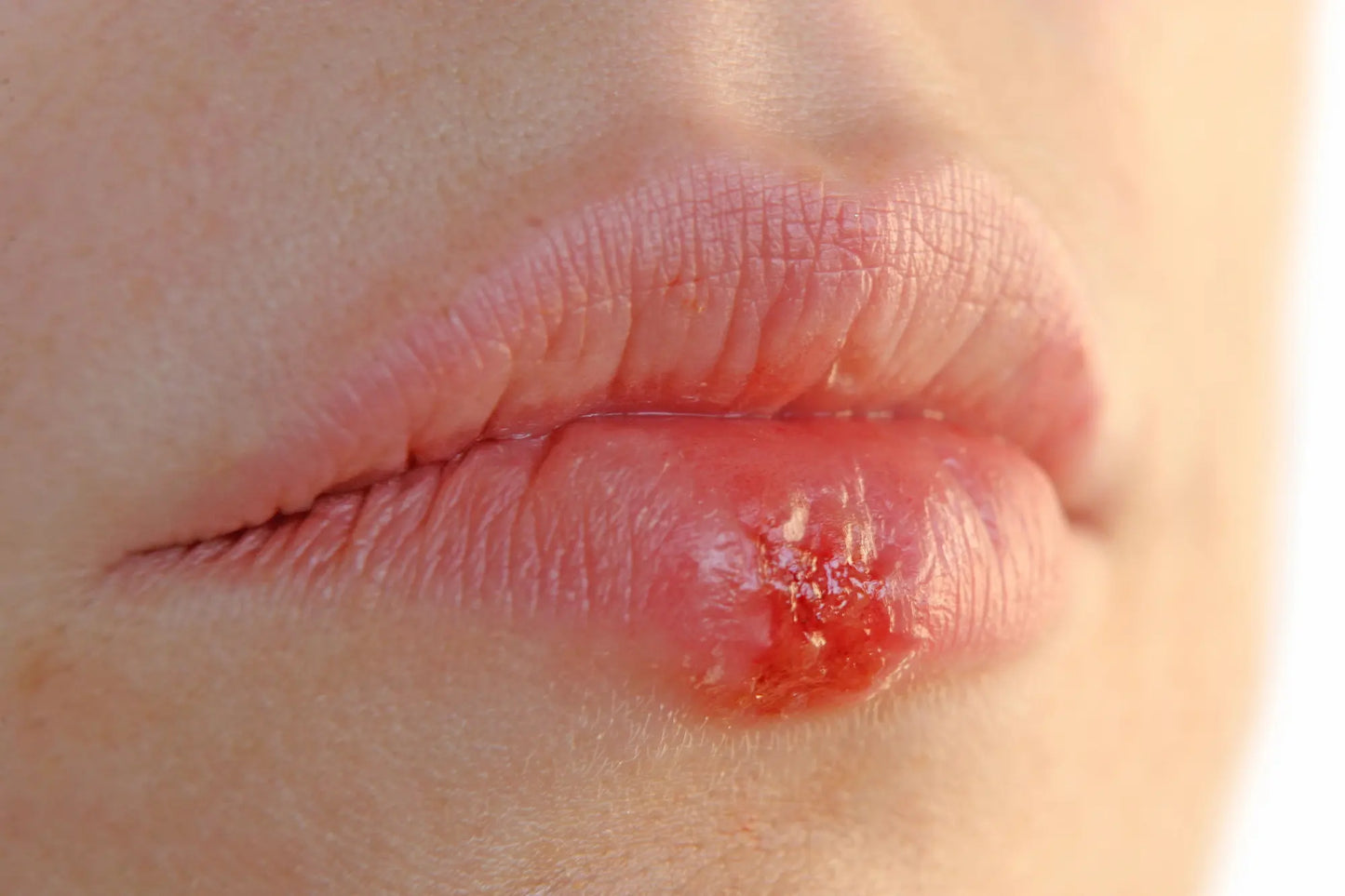
Herpes Simplex Virus Type 1 (HSV-1) and Ozonated Oils: A Natural Approach to Healing
Herpes Simplex Virus Type 1 (HSV-1) is a common viral infection affecting a large portion of the global population. It primarily manifests as oral herpes, causing painful cold sores or blisters around the lips and mouth. While antiviral medications are commonly used to manage symptoms, natural alternatives like ozonated oils have gained attention for their potential therapeutic benefits. In this article, we explore the clinical forms of HSV-1, conventional treatments, and how ozonated oils can be integrated into the healing process. Clinical Forms of HSV-1 Infection HSV-1 infections can present in various clinical forms, including: Oral Herpes (Cold Sores): The...
Marin Crangaci

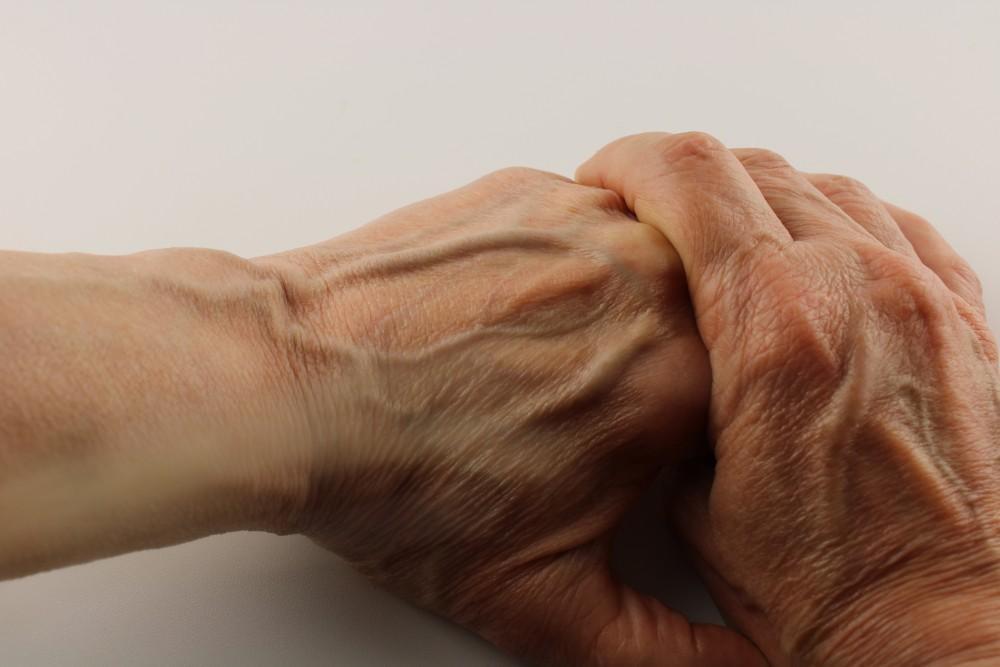
What Do Prominent Veins on Hands Reveal? Causes, Solutions, and the Role of Ozonated Oils
Many people notice prominent veins on their hands, especially as they age. While visible veins are often a normal part of the body's anatomy, they can sometimes indicate underlying issues or cause cosmetic concerns. Understanding the reasons behind prominent veins and exploring available solutions, including the use of ozonated oils, can help improve both the appearance and health of your hands. Why Do Veins Become More Visible? Several factors contribute to the prominence of veins on the hands: Aging – As we age, the skin loses collagen and elasticity, becoming thinner. This makes the veins underneath more noticeable. Low Body...
Marin Crangaci

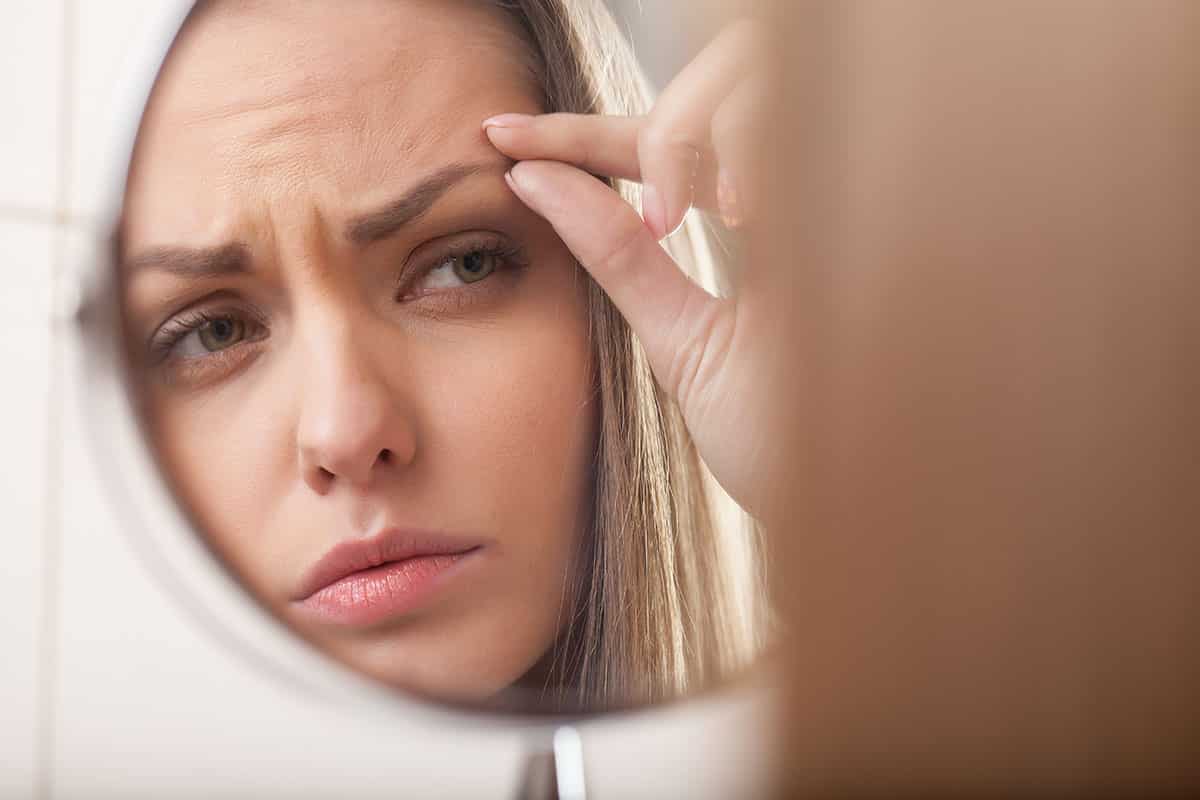
Madarosis: Causes, Treatments, and the Healing Power of Ozonated Oils
Madarosis is a condition characterized by the loss of eyebrow and/or eyelash hair. While it may seem like a purely cosmetic concern, madarosis can have underlying medical, psychological, or environmental causes. Understanding its root cause is essential for effective treatment. What is Madarosis? The term "madarosis" refers to the partial or complete loss of hair in the eyebrows or eyelashes. This condition can affect one or both sides of the face and may vary in severity. In some cases, hair loss is temporary, while in others, it may be permanent without proper intervention. Causes of Madarosis Madarosis can stem from...
Recent articles