











Marin Crangaci


Beard Dandruff and the Role of Ozonated Oils in Scalp and Beard Care
Beard dandruff is a frequent dermatological concern affecting men with facial hair. It is characterized by white or yellowish flakes, itching, irritation, and sometimes redness of the skin beneath the beard. Although often perceived as a cosmetic inconvenience, beard dandruff may reflect underlying scalp and skin conditions that require appropriate care. What Causes Beard Dandruff? Beard dandruff develops when the skin beneath the beard becomes dry, irritated, or imbalanced. Several factors contribute to this condition: Seborrheic dermatitis, a common inflammatory skin disorder associated with excessive sebum production and yeast overgrowth (Malassezia species) Dry skin, particularly in cold or low-humidity environments Poor...
Marin Crangaci


Clogged Pores: Pathophysiology, Contributing Factors, and the Potential Role of Ozonated Oils in Skin Care
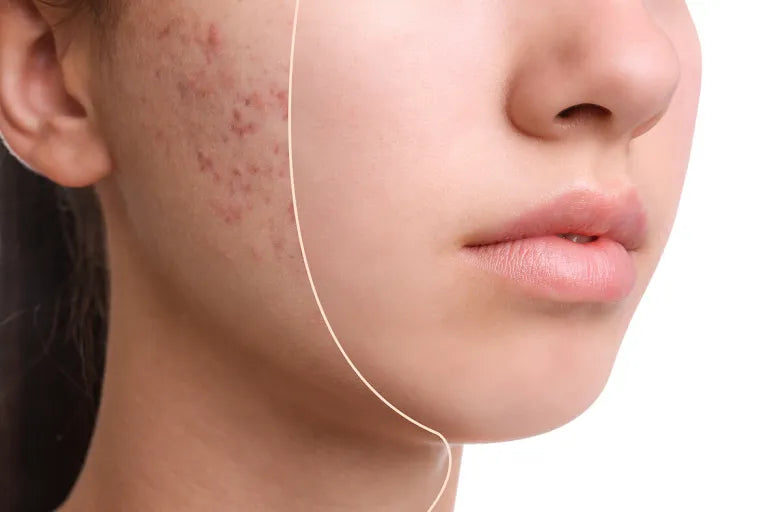
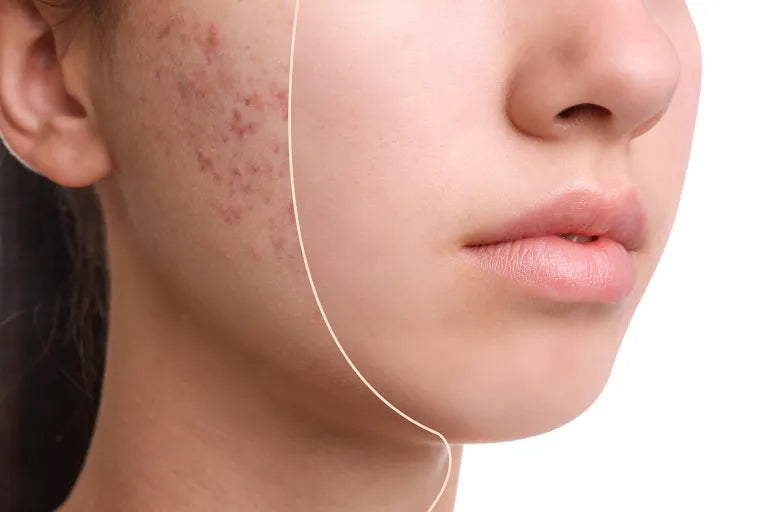
Clogged pores represent one of the most common dermatological concerns, affecting individuals across all age groups and skin types. They play a central role in the development of acne, comedones, inflammatory lesions, and uneven skin texture. Understanding the biological mechanisms behind pore obstruction is essential for effective prevention and treatment. In recent years, interest has grown in complementary topical agents, including ozonated oils, for their potential role in supporting skin health and barrier function. What Are Clogged Pores? Pores are microscopic openings in the skin connected to hair follicles and sebaceous glands. Their primary function is to allow sebum to...
Marin Crangaci


From Irritation to Recovery: Understanding Drug-Induced Skin Reactions and the Benefits of Ozonated Oils
Drug-induced skin reactions represent some of the most common adverse effects encountered in clinical practice. They range from mild irritation to severe dermatologic conditions that require immediate medical attention. Understanding how medications affect the skin and what supportive care options exist—including the use of ozonated oils—can help patients manage symptoms and promote faster regeneration. 1. How Medications Affect the Skin Many systemic and topical medications can trigger reactions due to immune hypersensitivity, direct toxicity, changes in skin microbiota, or disruption of the skin barrier. The severity varies widely depending on the drug, dosage, and individual susceptibility. Common types of drug-related...
Marin Crangaci


Understanding Hemorrhoids: Symptoms, Causes, and the Role of Ozonated Oils in Local Relief
Hemorrhoids are among the most common anorectal conditions, affecting millions of adults worldwide. Although often uncomfortable to talk about, they are highly treatable, especially when symptoms are recognized early and managed correctly. This article explains what hemorrhoids are, why they develop, and how ozonated oils can be used as part of a supportive, soothing care routine. What Are Hemorrhoids? Hemorrhoids are swollen veins in the lower rectum or around the anus, similar to varicose veins in the legs. Depending on their location, they are classified as: Internal hemorrhoids – inside the rectum, usually painless but may cause bleeding. External hemorrhoids...
Recent articles