



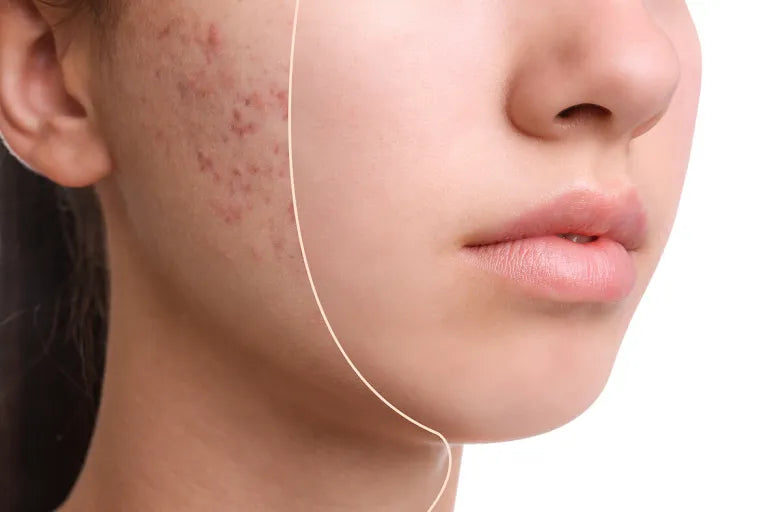
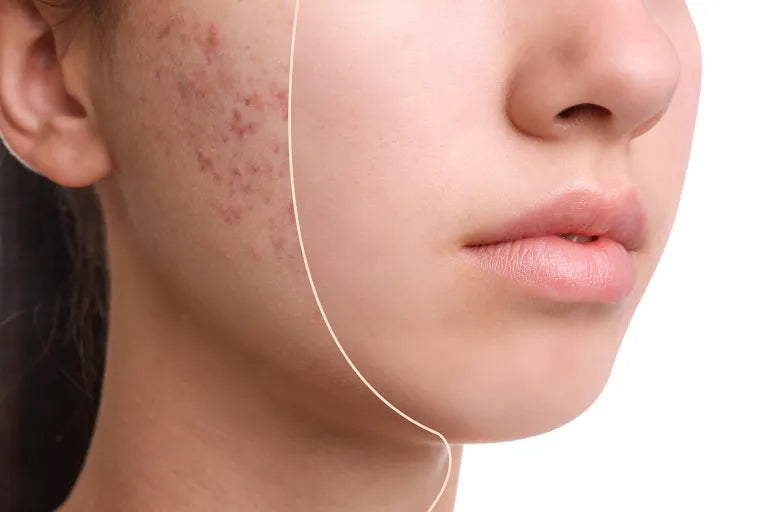


For many people, acne is expected to disappear after the teenage years. However, an increasing number of adults are discovering that breakouts can persist well into their 20s, 30s, 40s, and even later in life. Adult acne has become one of the most common skin concerns worldwide, affecting both women and men and often having a significant impact on self-confidence and quality of life.
Understanding why adult acne occurs and how to manage it effectively can help individuals achieve healthier, clearer-looking skin.
What Makes Adult Acne Different from Teenage Acne?
Although both conditions involve clogged pores and inflammation, adult acne differs from adolescent acne in several important ways.
Location of Breakouts
Teenage acne commonly affects the forehead, nose, and upper cheeks—the so-called "T-zone." Adult acne, on the other hand, often appears on the lower face, including:
- Chin
- Jawline
- Neck
- Around the mouth
Type of Lesions
Adults are more likely to develop:
- Deep, painful inflammatory pimples
- Tender nodules
- Persistent cystic lesions
- Recurrent breakouts in the same areas
Skin Sensitivity
Unlike teenage skin, adult skin is often more sensitive and prone to dryness. This can make aggressive acne treatments difficult to tolerate and may lead to irritation, redness, and a compromised skin barrier.
Why Is Adult Acne Becoming More Common?
Several factors contribute to the growing prevalence of acne among adults.
Hormonal Fluctuations
Hormones play a major role in adult acne, particularly in women.
Common triggers include:
- Menstrual cycle changes
- Pregnancy
- Postpartum hormonal shifts
- Perimenopause and menopause
- Polycystic ovary syndrome (PCOS)
These hormonal fluctuations can increase sebum production, creating conditions that favor the development of acne lesions.
Chronic Stress
Modern lifestyles often involve high levels of stress. When stress increases, the body produces more cortisol and other stress-related hormones, which may stimulate oil production and contribute to inflammatory skin conditions.
Lack of Sleep
Poor sleep quality can negatively affect skin repair processes and may worsen inflammation throughout the body, including the skin.
Dietary Factors
Although diet is not the sole cause of acne, some studies suggest that certain foods may aggravate breakouts in susceptible individuals.
Potential triggers include:
- High-glycemic foods
- Excessive sugar intake
- Highly processed foods
- Certain dairy products
Environmental Stressors
Daily exposure to pollution, UV radiation, and environmental irritants can contribute to oxidative stress and inflammation, potentially worsening acne-prone skin.
Inappropriate Skincare Products
Heavy, comedogenic products or excessive exfoliation can disrupt the skin barrier and aggravate existing acne.

Building an Effective Adult Acne Routine
Managing adult acne requires a balanced approach. Over-treating the skin often leads to irritation, while under-treatment may allow breakouts to persist.
1. Gentle Cleansing
Use a mild cleanser twice daily to remove excess oil, impurities, and makeup without stripping the skin of its natural protective oils.
2. Support the Skin Barrier
A healthy skin barrier is essential for acne management. Choose non-comedogenic moisturizers that help maintain hydration and reduce irritation.
3. Use Targeted Active Ingredients
Depending on individual needs and dermatologist recommendations, ingredients such as salicylic acid, azelaic acid, niacinamide, or retinoids may be incorporated into a skincare routine.
4. Protect Against UV Damage
Daily sunscreen use is essential, especially when using active acne treatments that may increase skin sensitivity.
5. Be Consistent
Adult acne often improves gradually. Consistent skincare habits are usually more effective than frequently changing products.
How Ozonated Oils Can Complement an Adult Acne Routine
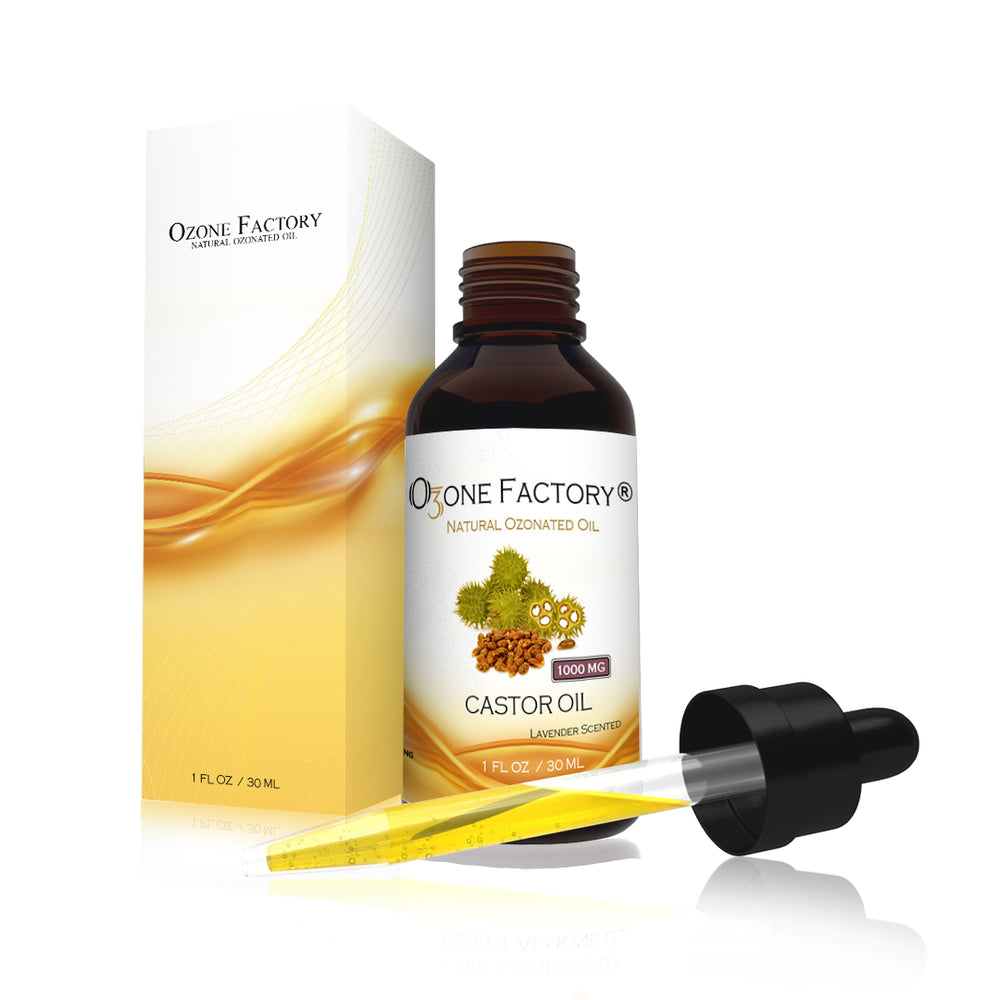
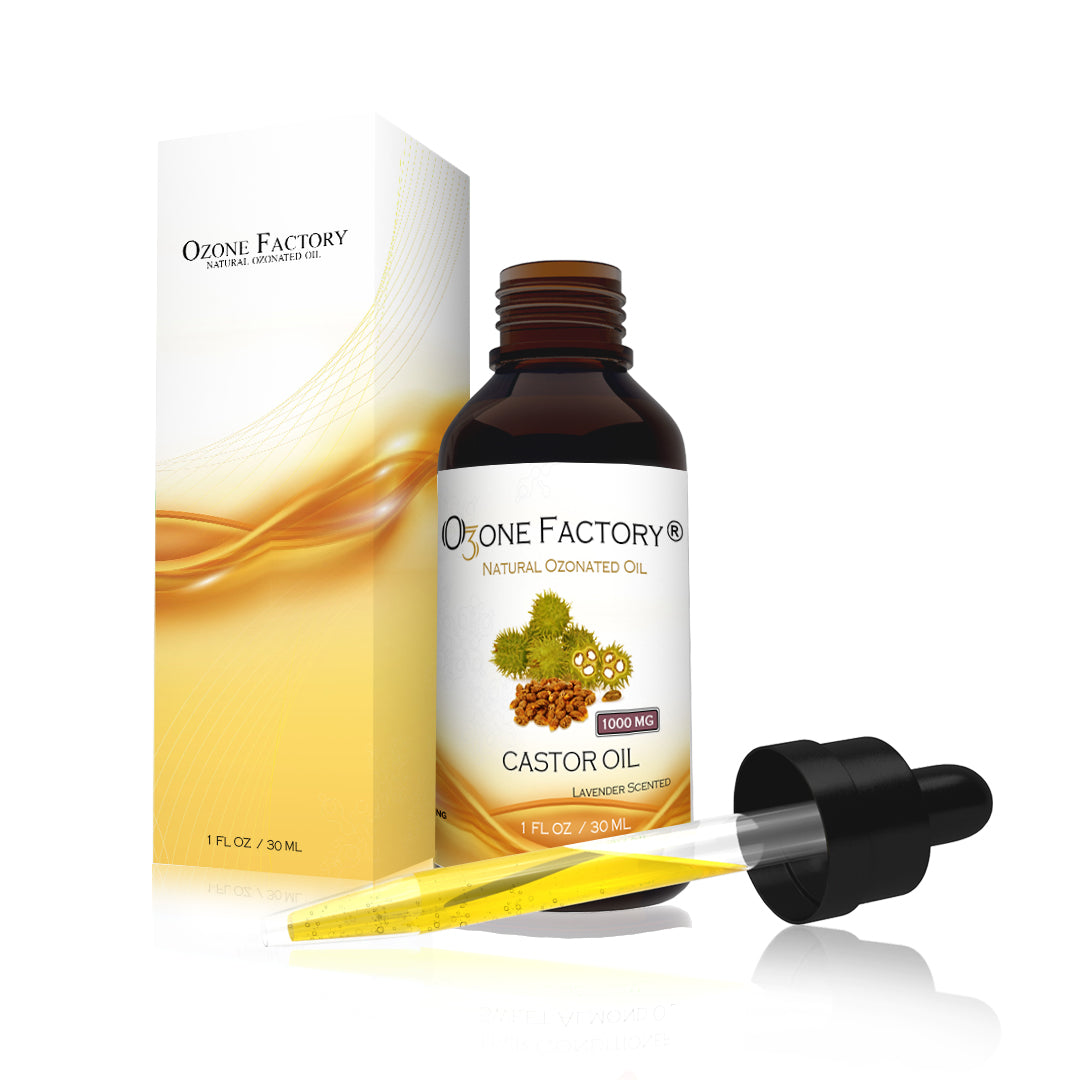
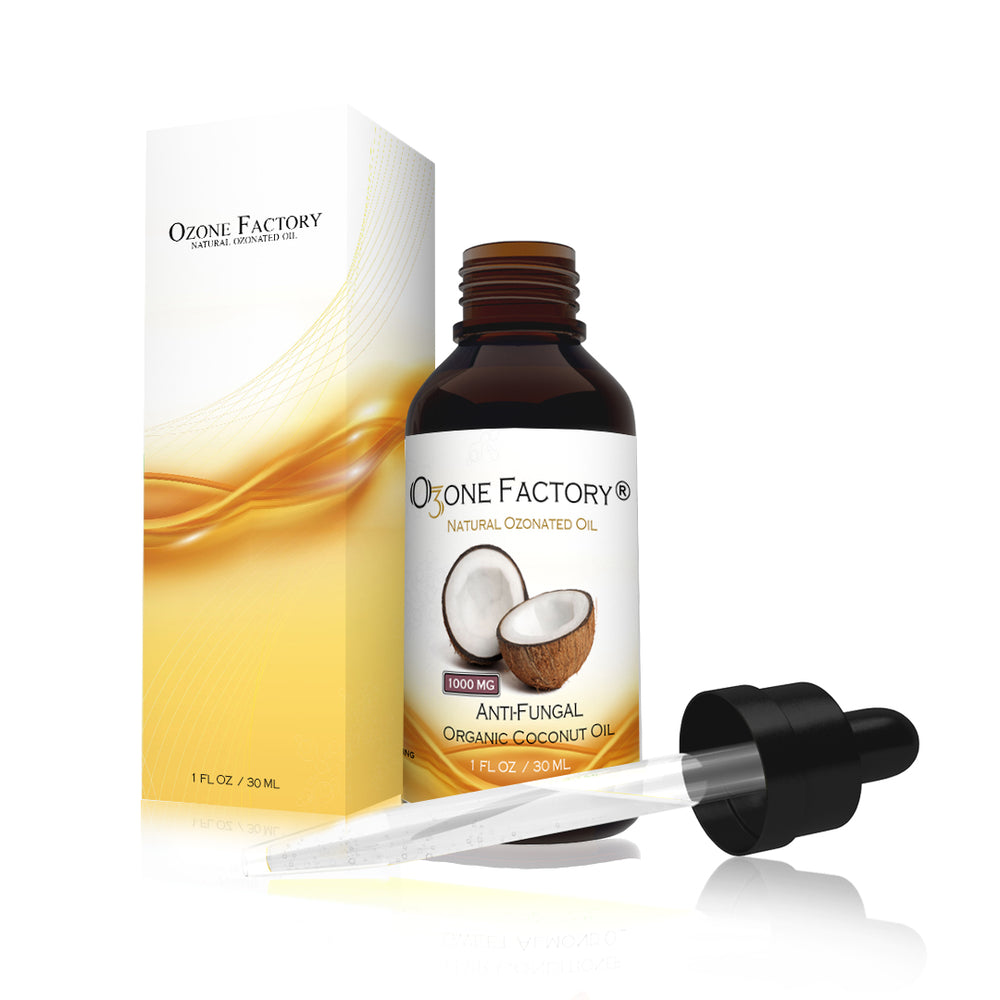
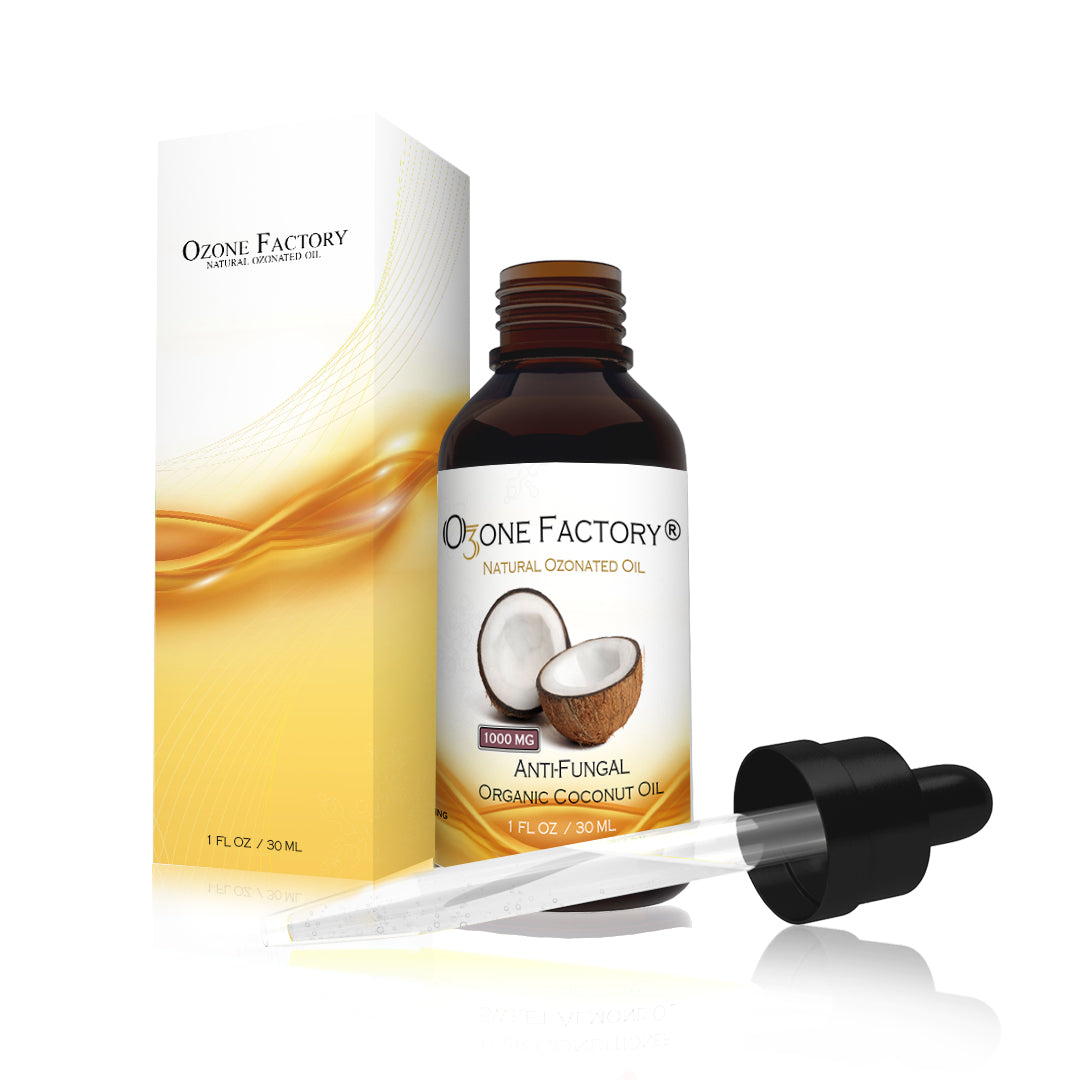
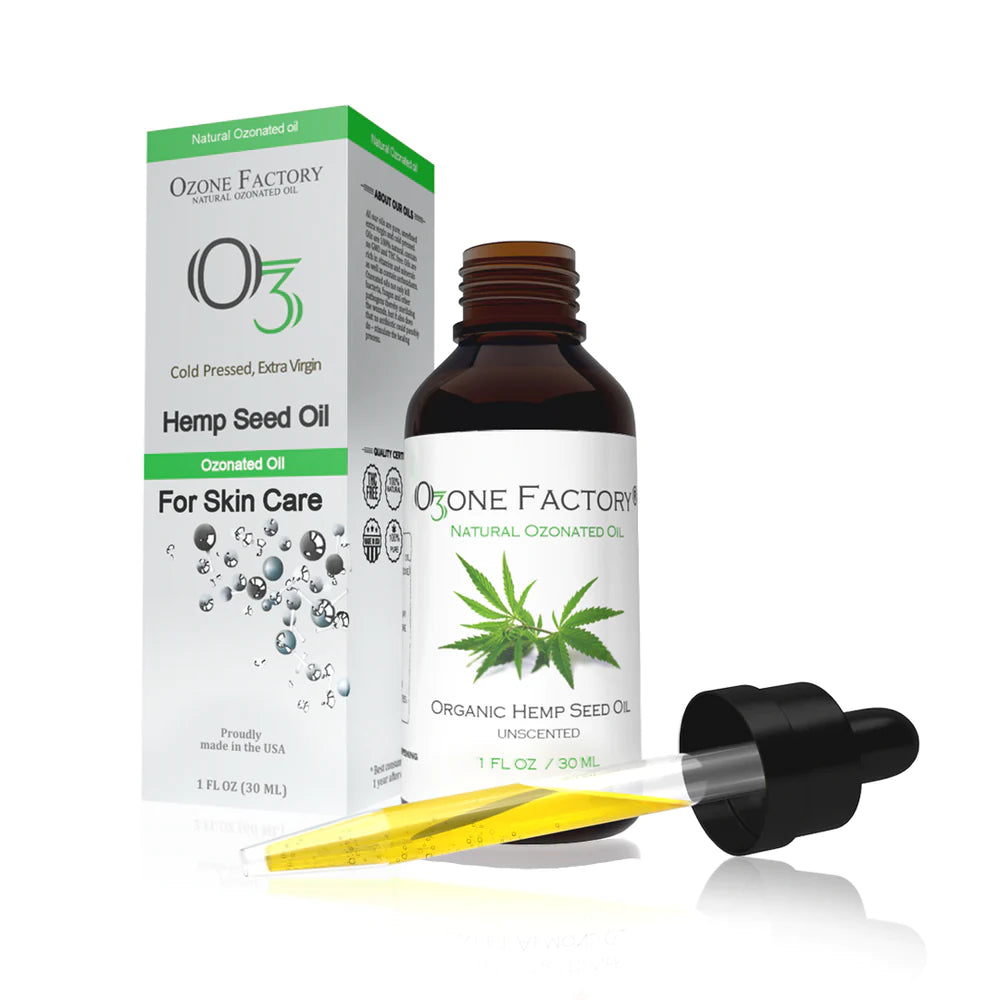
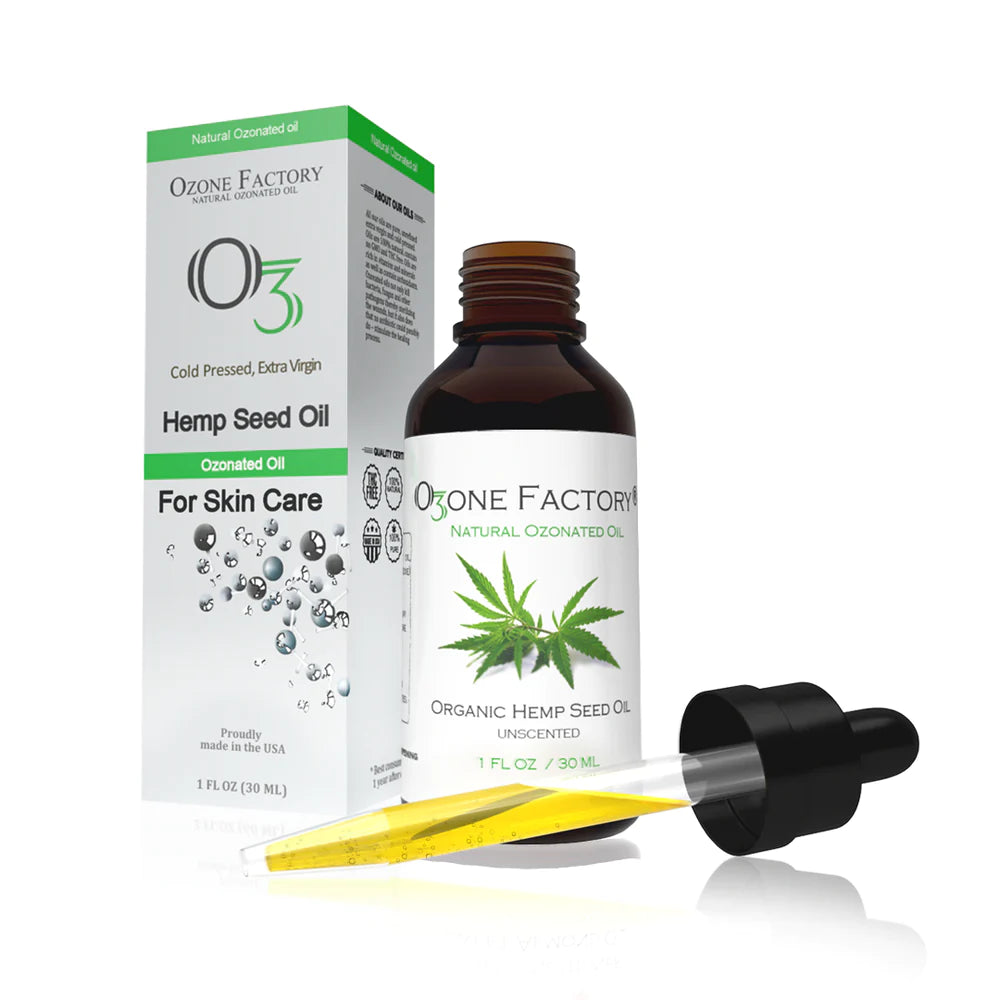
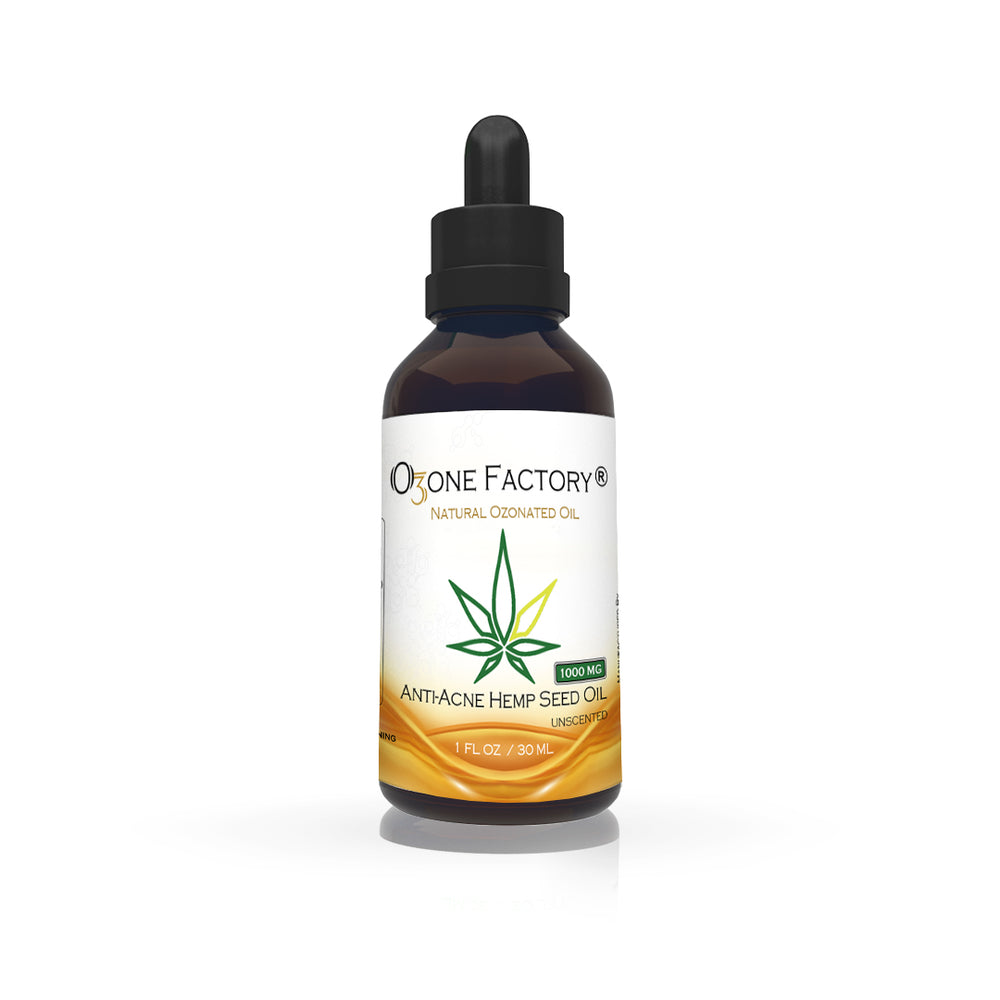
Ozonated oils are increasingly being explored as supportive skincare products due to their unique combination of vegetable oils and ozone-derived compounds.
While they are not intended to replace medical acne treatments, they may serve as a valuable adjunct to a comprehensive skincare routine.
Supporting Skin Comfort
Adult acne treatments can sometimes leave the skin feeling dry, tight, or irritated. Ozonated oils may help support skin comfort while providing nourishment from the underlying vegetable oil.
Helping Maintain Skin Hygiene
The oxygen-rich compounds formed during the ozonation process contribute to the distinctive properties of ozonated oils, making them an interesting option for acne-prone skin care routines.
Supporting Skin Recovery
Adult acne lesions often heal more slowly than teenage acne. Ozonated oils may help support the skin's natural regeneration processes and contribute to maintaining healthy-looking skin.
Promoting a Balanced Skincare Approach
One of the most common mistakes in acne management is excessive use of harsh products. Incorporating gentle supportive products, such as high-quality ozonated oils, may help create a more balanced routine focused on both treatment and skin barrier support.

Final Thoughts
Adult acne is a growing concern that affects millions of people worldwide. Unlike teenage acne, it is often influenced by a complex combination of hormonal changes, stress, lifestyle factors, and environmental exposures.
A successful approach to adult acne involves gentle cleansing, barrier support, targeted treatments, and consistent skincare habits. As part of this holistic strategy, ozonated oils may offer additional support for maintaining comfortable, healthy-looking skin and complementing an established acne-care routine.
By understanding the unique challenges of adult acne and adopting a balanced skincare approach, individuals can take meaningful steps toward achieving healthier and more confident skin at any age.