





Retinol is widely recognized as one of the most effective skincare ingredients for improving acne, uneven texture, pigmentation, and visible signs of aging. However, despite its benefits, many people experience irritation during the first weeks or months of use.
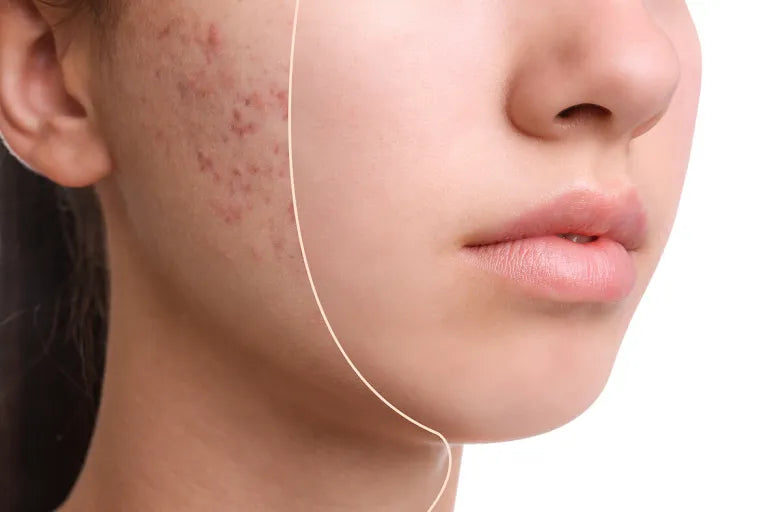
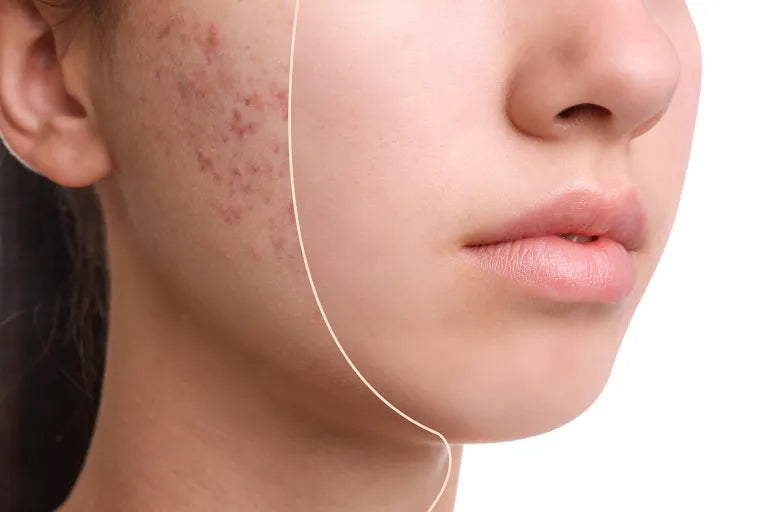
Redness, dryness, flaking, burning sensations, and skin sensitivity are common signs that the skin barrier has become compromised.
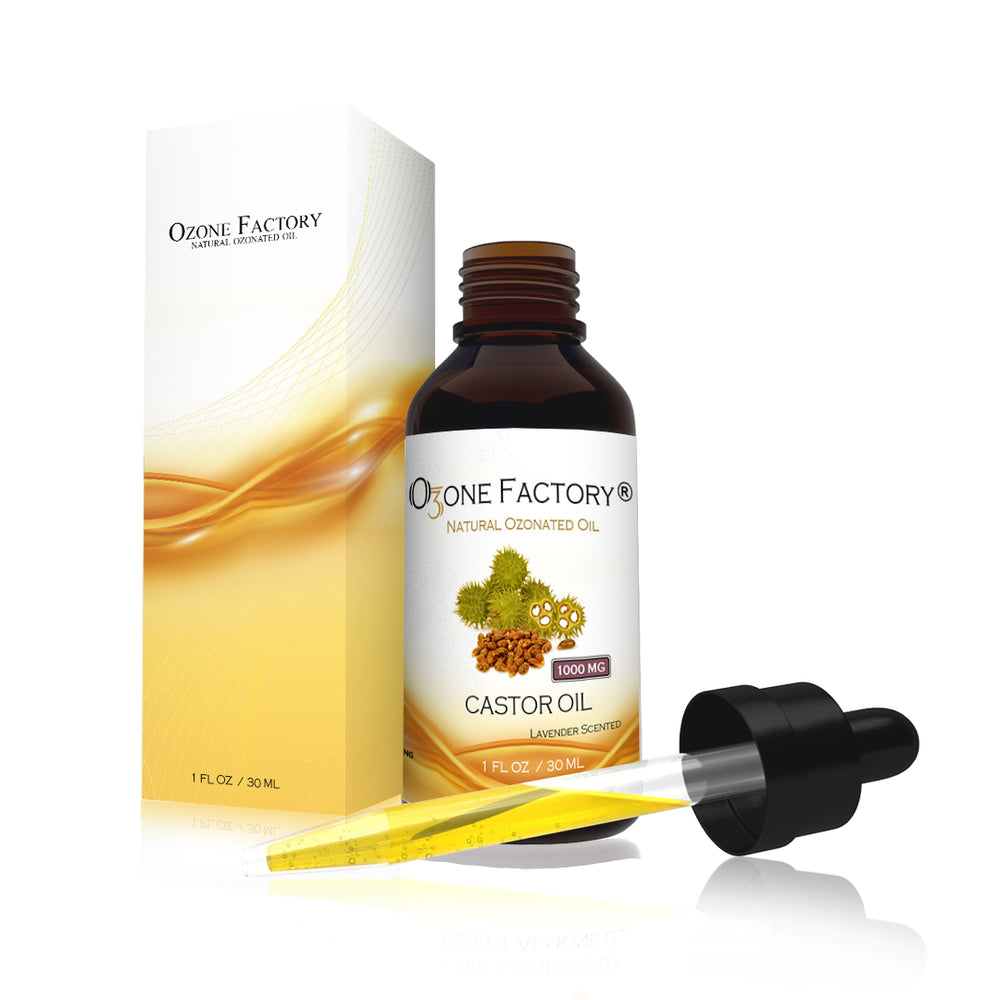
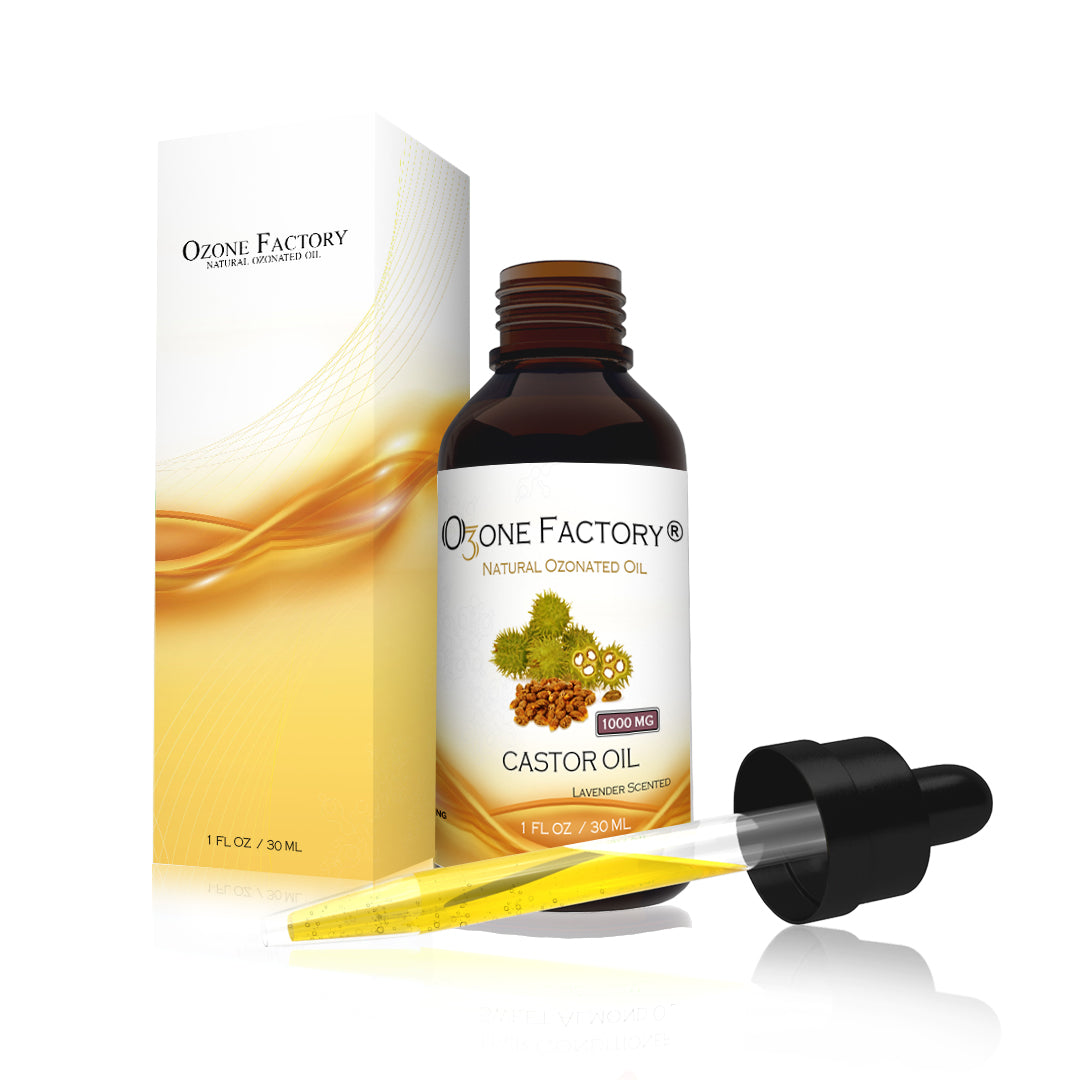
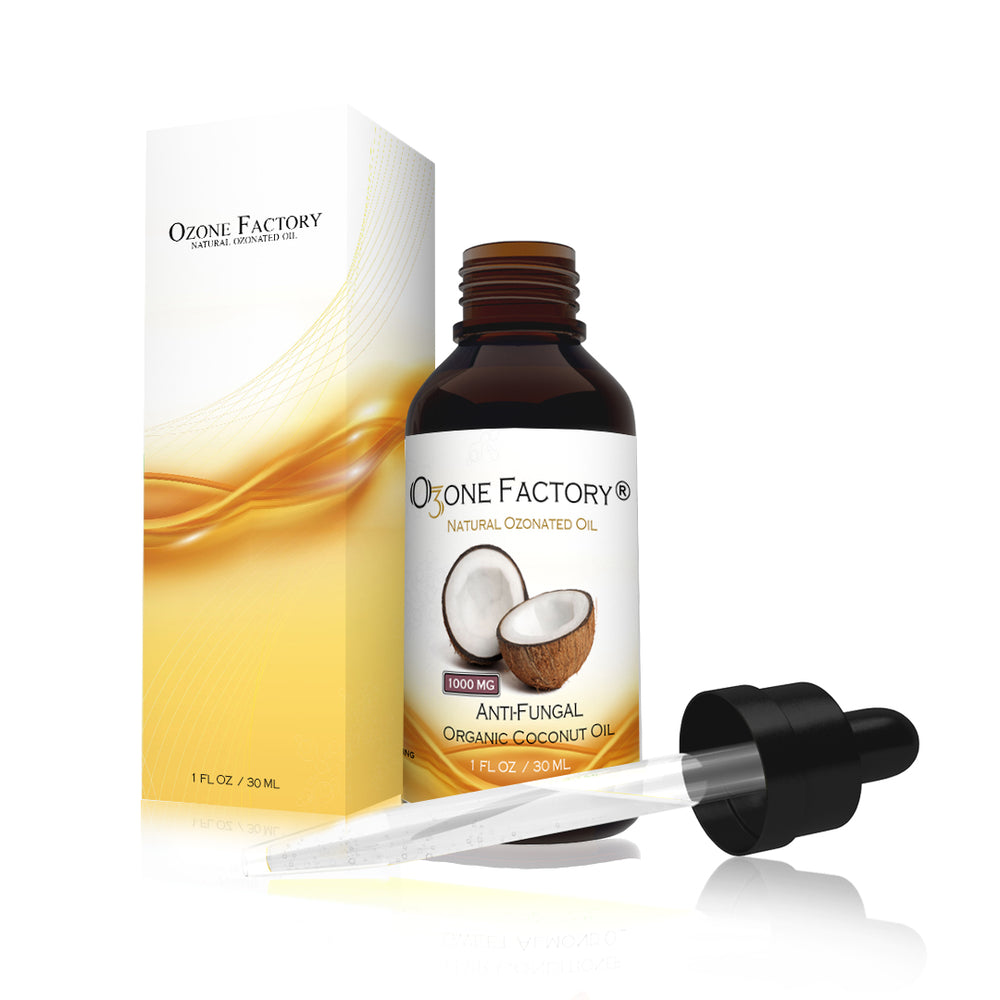
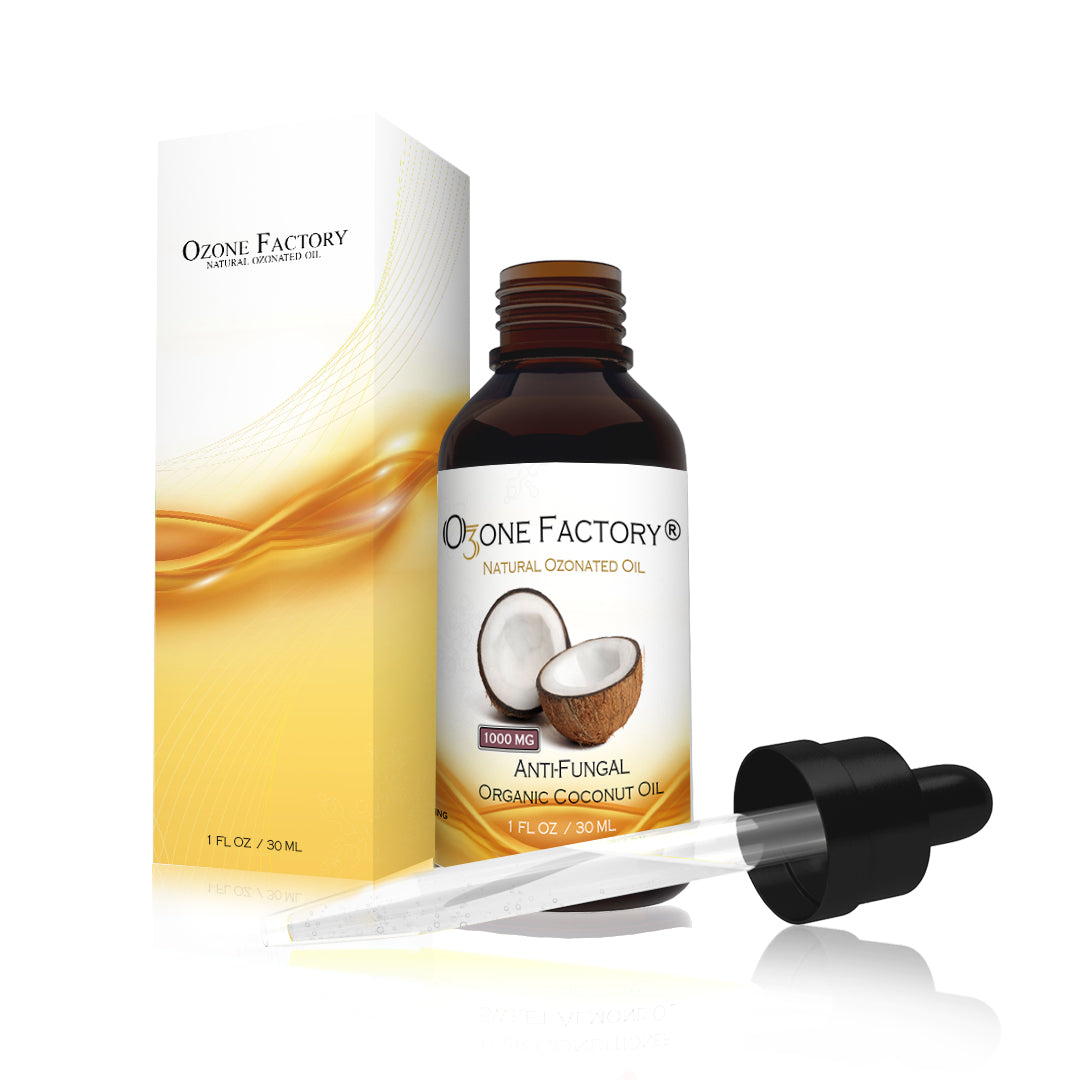
In recent years, ozonated oils have gained attention as supportive skincare products for stressed, reactive, and dehydrated skin — especially in routines involving active ingredients like retinol.
What Is the Skin Barrier?
The skin barrier is the outermost protective layer of the skin. Its role is to retain moisture and defend the skin against environmental aggressors such as bacteria, pollutants, allergens, and irritants.
When the barrier becomes damaged, the skin loses water more easily and becomes more reactive. Common signs of barrier impairment include:
- Tightness after cleansing
- Redness and inflammation
- Dry patches and peeling
- Burning or stinging sensations
- Increased sensitivity to skincare products
- Breakouts caused by irritation
Retinol accelerates cell turnover, which is beneficial for skin renewal, but excessive use or improper introduction may overwhelm the skin’s natural protective mechanisms.

Why Does Retinol Cause Irritation?
Retinol stimulates exfoliation and speeds up epidermal renewal. While this process improves skin texture over time, it can temporarily weaken the barrier, especially in people with:
- Sensitive skin
- Acne-prone or inflamed skin
- Pre-existing barrier dysfunction
- Overuse of exfoliating acids
- Inadequate moisturizing routines
Using high concentrations too quickly or combining retinol with harsh active ingredients may intensify irritation.
How Ozonated Oils Support Skin Barrier Recovery
1. Deep Nourishment for Dry and Flaking Skin
Retinol irritation often leaves the skin dehydrated and flaky. Ozonated oils create a protective lipid layer on the surface of the skin, helping reduce moisture loss and improve skin comfort.
This is especially beneficial during periods of increased sensitivity when the skin struggles to retain hydration.
2. Support for Compromised and Reactive Skin
Skin exposed to aggressive active ingredients may become fragile and reactive. Ozonated oils are commonly incorporated into minimalist skincare routines because they help simplify skincare while providing emollient support.
Many users appreciate their ability to soften rough areas and improve the feeling of tight, stressed skin.
3. Comforting Sensitized Skin
After excessive retinol use, even water or basic skincare products may sting. Ozonated oils are often used as part of calming evening routines focused on restoring comfort and reducing the appearance of irritation.
Their rich consistency helps create a protective sensation over irritated areas.
4. Supporting the Skin’s Natural Recovery Process
Healthy skin recovery depends on maintaining hydration and minimizing additional stress. Ozonated oils help support this environment by protecting the skin from excessive dryness and environmental aggressors.
When paired with a gentle routine, they may help the skin recover more efficiently from temporary barrier disruption.

Best Ways to Use Ozonated Oils After Retinol Irritation
Simplify Your Routine
When the skin barrier is damaged, less is often more. A minimal routine may include:
- Gentle cleanser
- Hydrating cream
- Ozonated oil
- Daily sunscreen
Avoid strong acids, scrubs, and over-layering active ingredients until the skin stabilizes.
Apply Ozonated Oils at Night
Many people prefer using ozonated oils in the evening due to their rich texture. They can be applied as the final step of skincare to help seal in moisture and support overnight recovery.
Use Retinol Less Frequently
Instead of applying retinol every night, reducing use to two or three evenings per week may help minimize irritation while still maintaining long-term benefits.
On non-retinol nights, barrier-focused skincare becomes especially important.
Choosing the Right Ozonated Oil
Different plant oils offer different skincare properties:
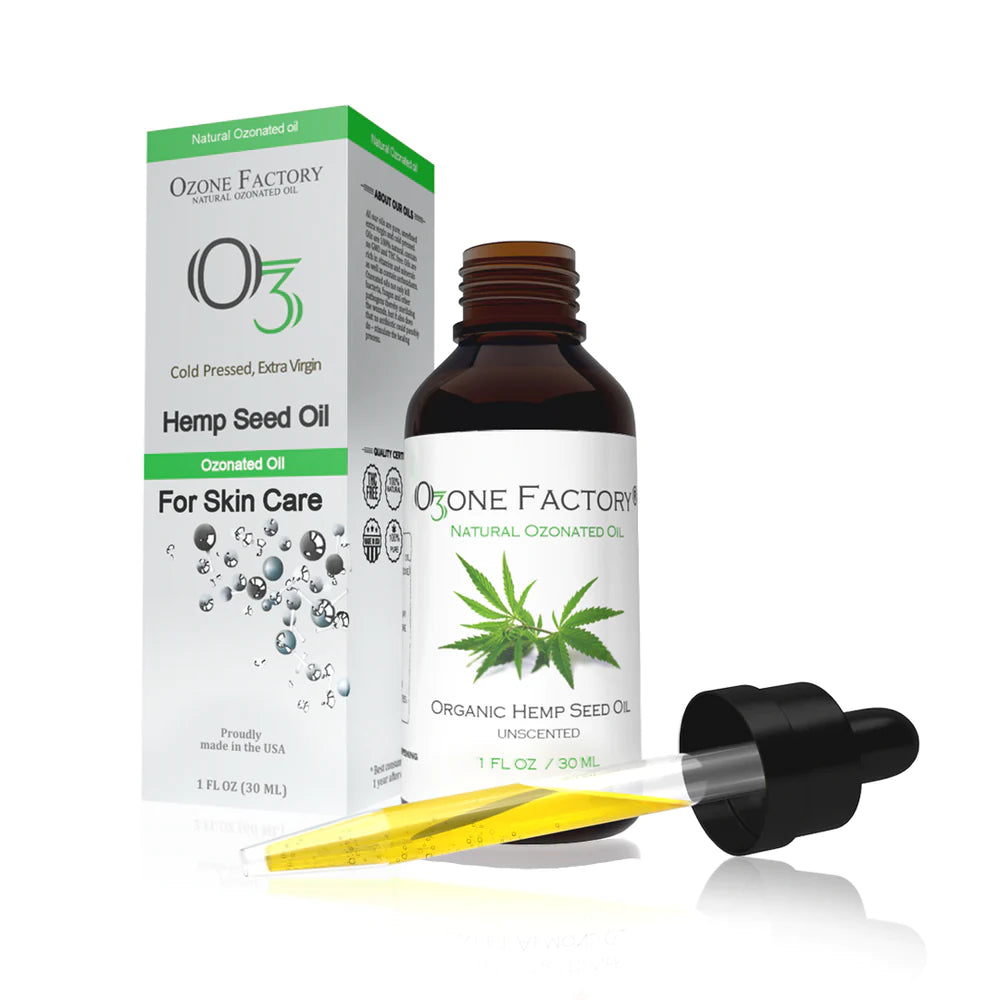
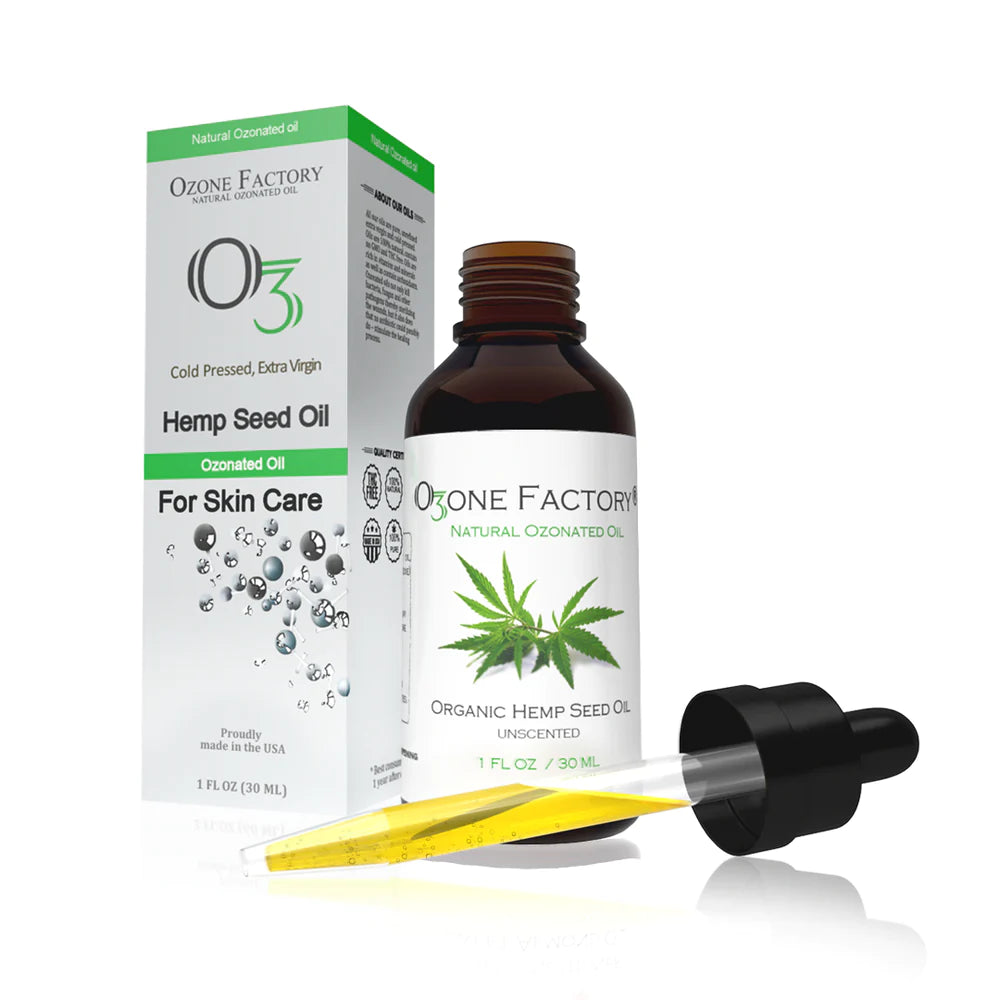
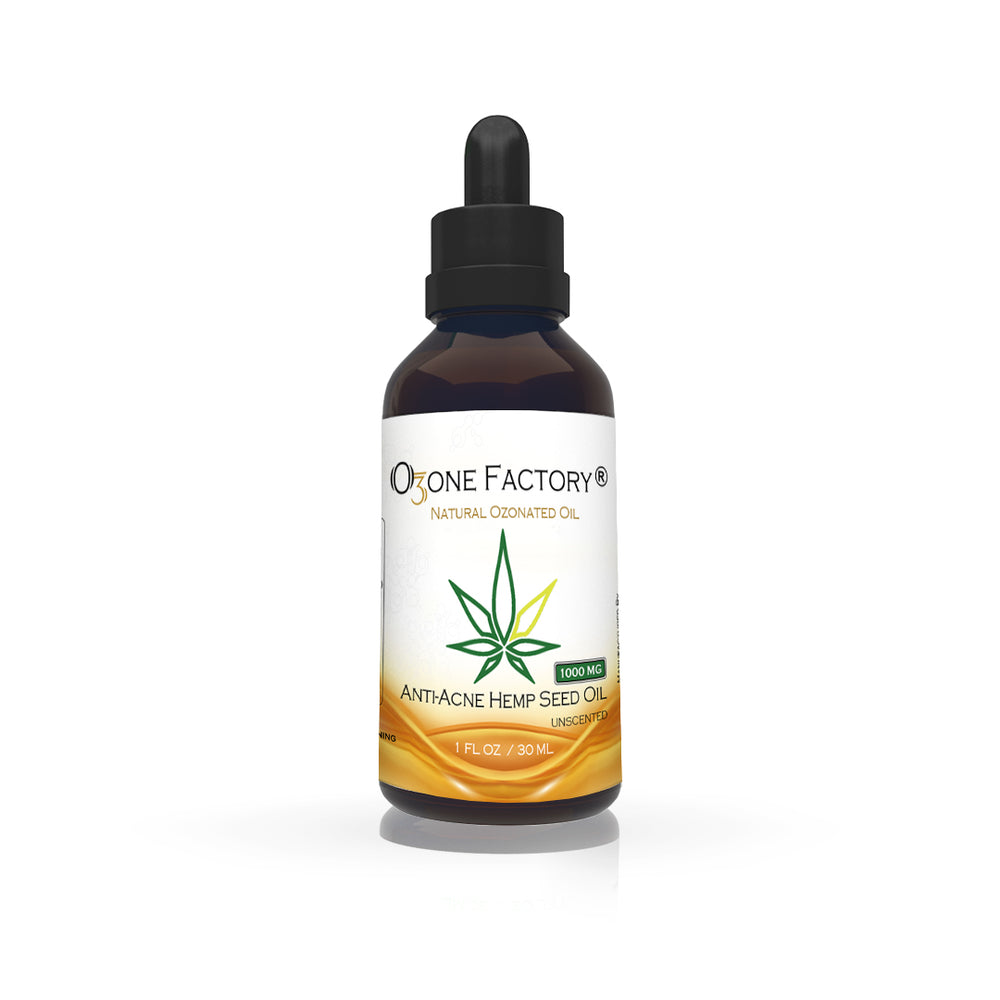
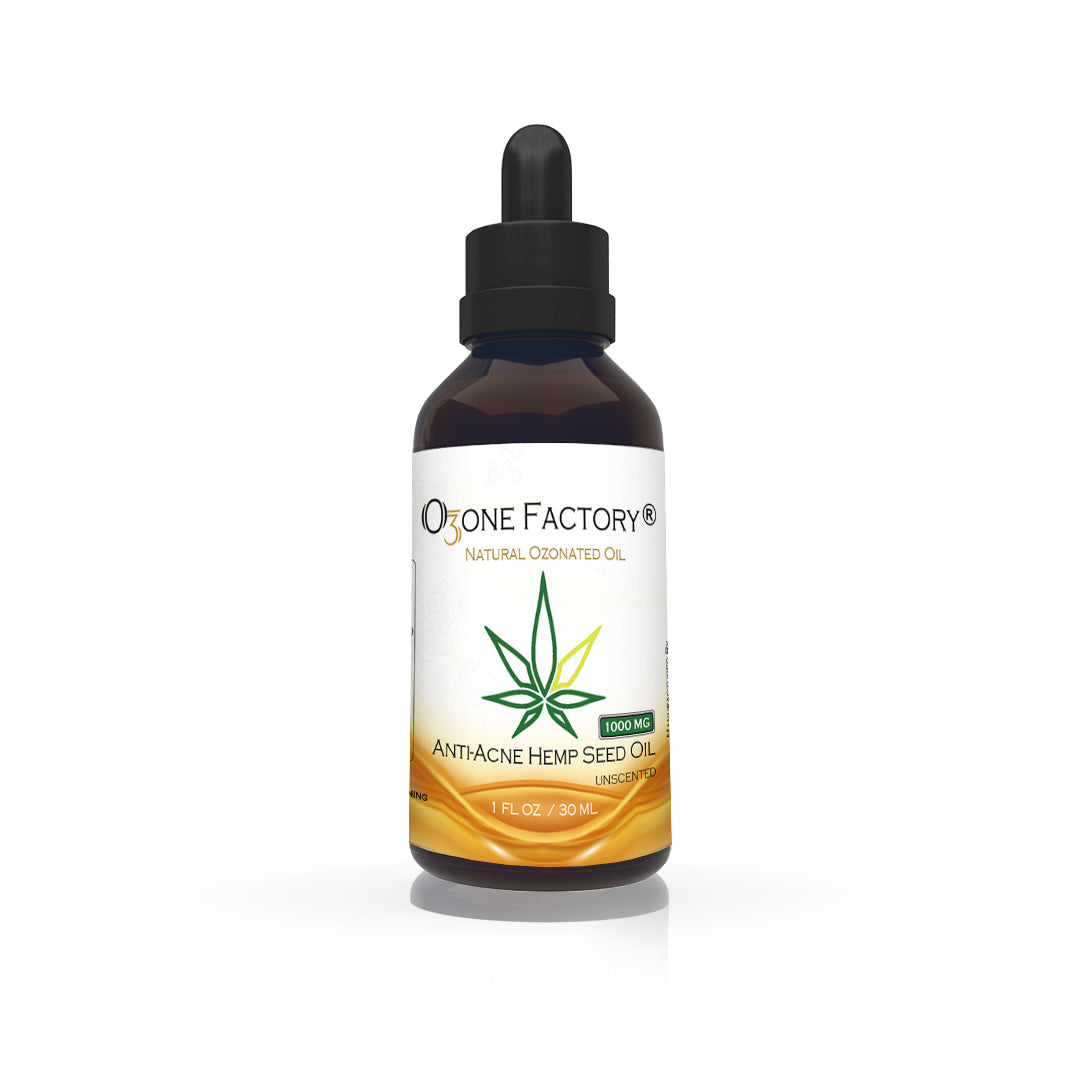
- Hemp seed ozonated oil is often appreciated for sensitive and acne-prone skin
- Olive ozonated oil provides rich nourishment for very dry skin
- Sunflower ozonated oil is commonly used for lightweight barrier support
The quality of the ozonation process and oil stability also play an important role in the final product’s effectiveness and texture.
Final Thoughts
Retinol can transform the skin, but maintaining a healthy skin barrier is essential for achieving sustainable results. Over-irritated skin does not heal faster — it becomes more vulnerable and reactive.
Ozonated oils can be valuable allies in skincare routines designed to restore hydration, comfort, and resilience after retinol irritation. Combined with a gentler approach and proper moisturization, they help support the skin during periods of stress and adjustment.