



Have you ever noticed a reddish or brown, net-like pattern on your skin after regularly using a heating pad, hot water bottle, or even a laptop? Although it may not seem serious at first, this could be a condition known as Toasted Skin Syndrome.
The medical name for this condition is erythema ab igne, which means “redness from fire.” Despite its name, the skin is not burned by flames. Instead, it is damaged by repeated exposure to moderate heat over time.
What Is Toasted Skin Syndrome?
Toasted Skin Syndrome is a skin condition caused by frequent exposure to heat that is not hot enough to cause a burn but is warm enough to damage the skin gradually.
Unlike a burn, the changes develop slowly over weeks or months. Many people do not realize that the heat source is affecting their skin until discoloration becomes noticeable.

What Causes It?
Several everyday heat sources can lead to Toasted Skin Syndrome, including:
- Laptops placed directly on the thighs
- Heating pads
- Hot water bottles
- Electric blankets
- Space heaters
- Heated car seats
- Fireplaces or wood stoves
- Occupational heat exposure, such as working near ovens or furnaces
The longer and more frequently the skin is exposed, the greater the risk of developing this condition.
What Does It Look Like?
The affected skin often develops:
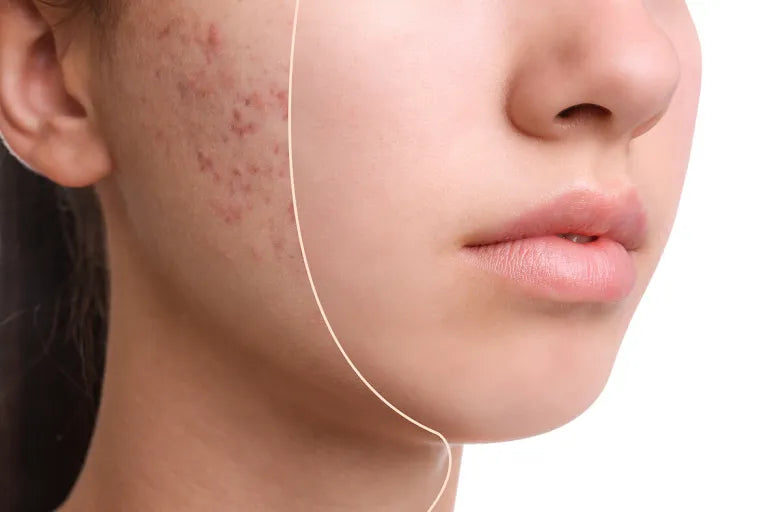
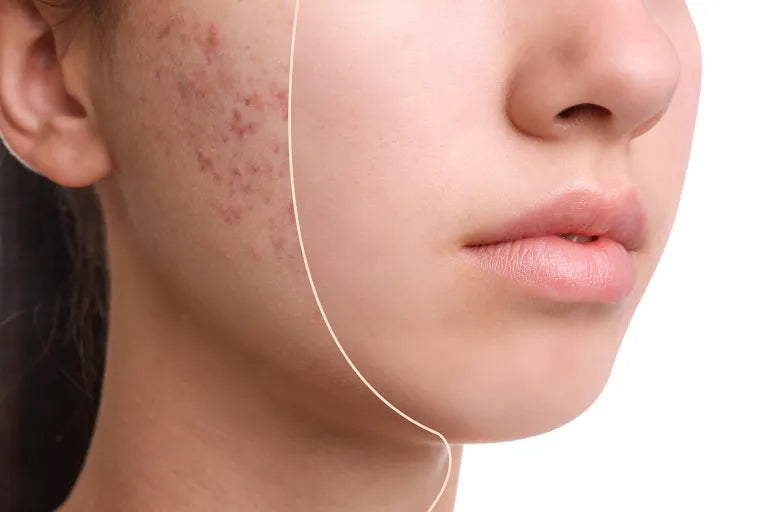
- A red or reddish-brown color
- A lace-like or net-shaped pattern
- Darkening of the skin over time
- Mild itching or a warm sensation
- Dryness or slight scaling in some cases
The discoloration is usually painless, which is why many people continue exposing the area to heat without realizing the damage.
Is It Dangerous?
In most cases, Toasted Skin Syndrome is not dangerous and gradually improves once the heat source is removed.
However, if heat exposure continues for months or years, the discoloration may become permanent. In rare cases, long-standing erythema ab igne has been associated with precancerous changes or skin cancer, making persistent lesions important to evaluate by a dermatologist.
How Is It Treated?
The most important treatment is simple: stop exposing the skin to the heat source.
Once the heat is removed, mild cases often fade over several months. If skin discoloration persists, a dermatologist may recommend additional treatments depending on the severity.

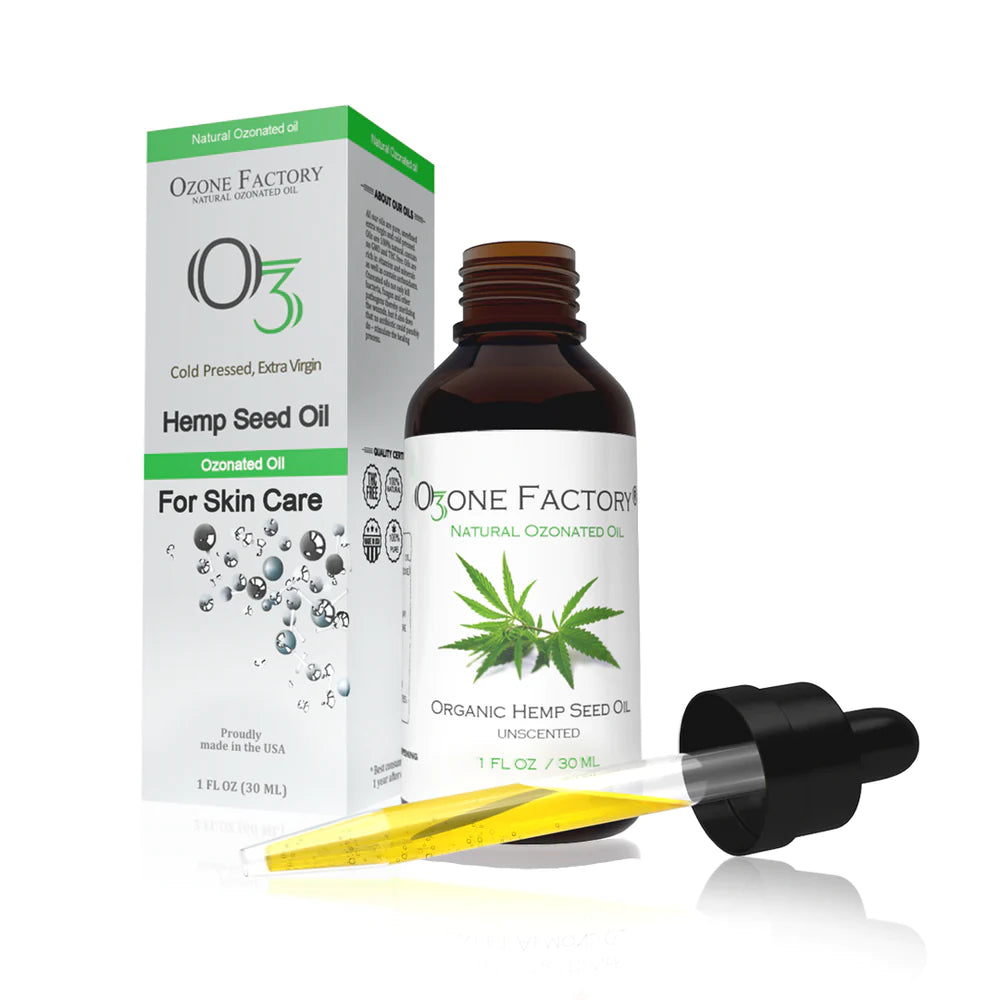
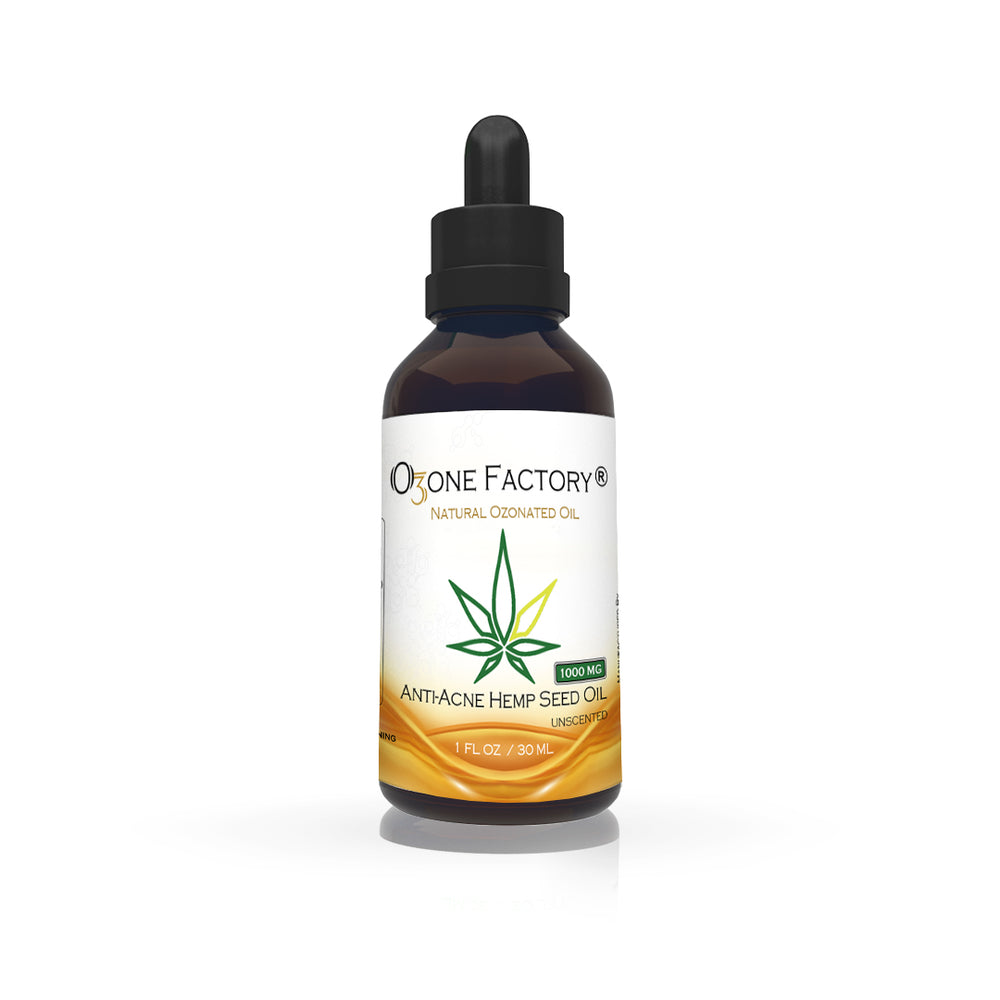
Can Ozonated Oils Help?
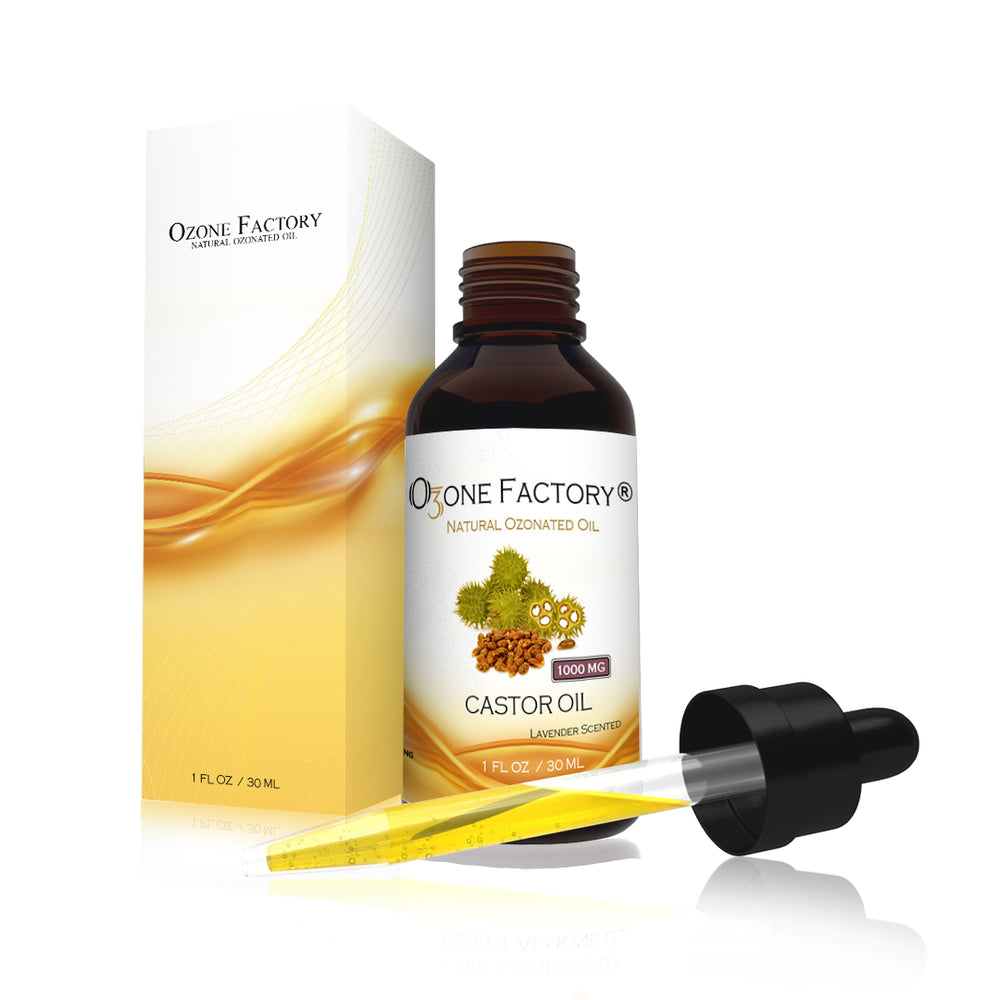
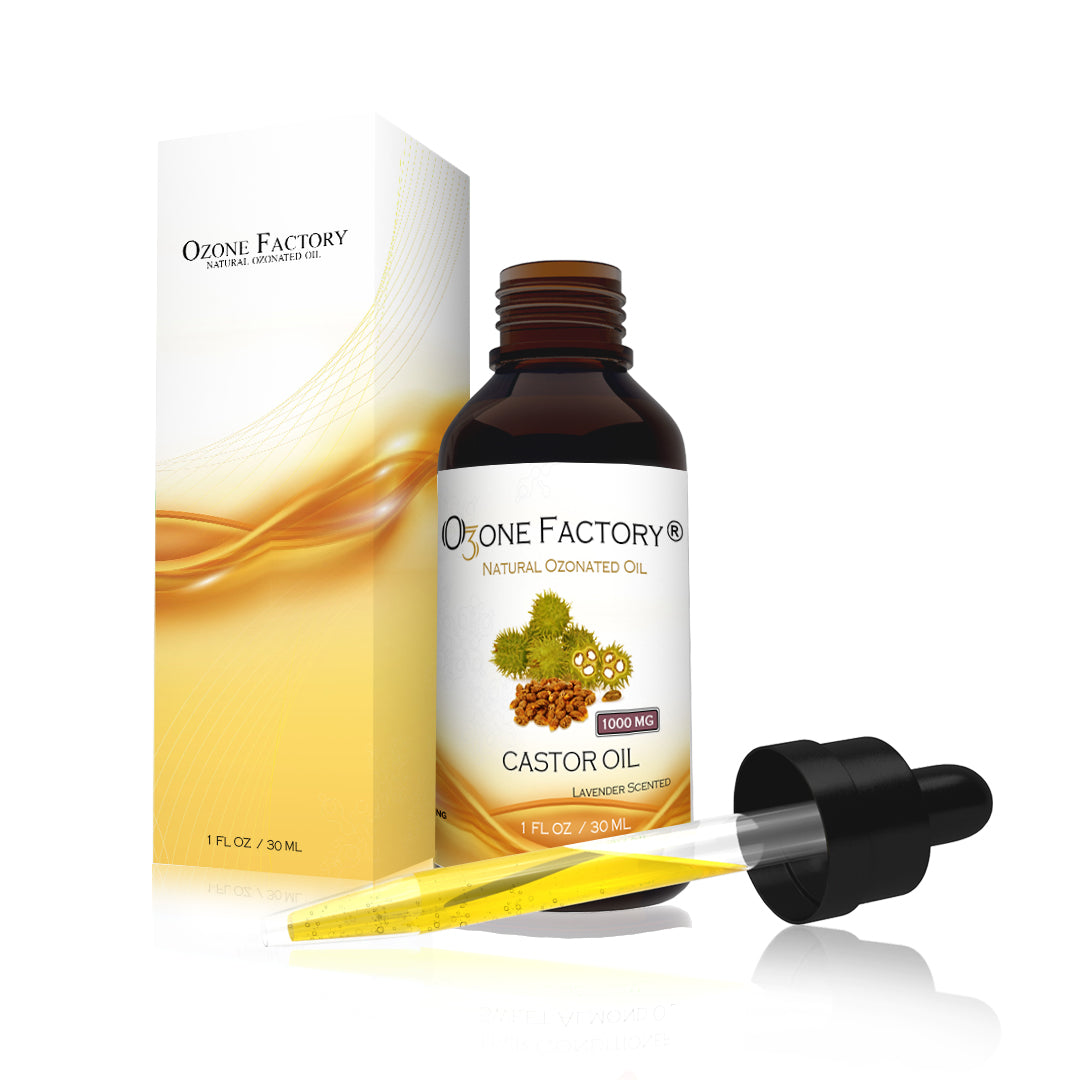
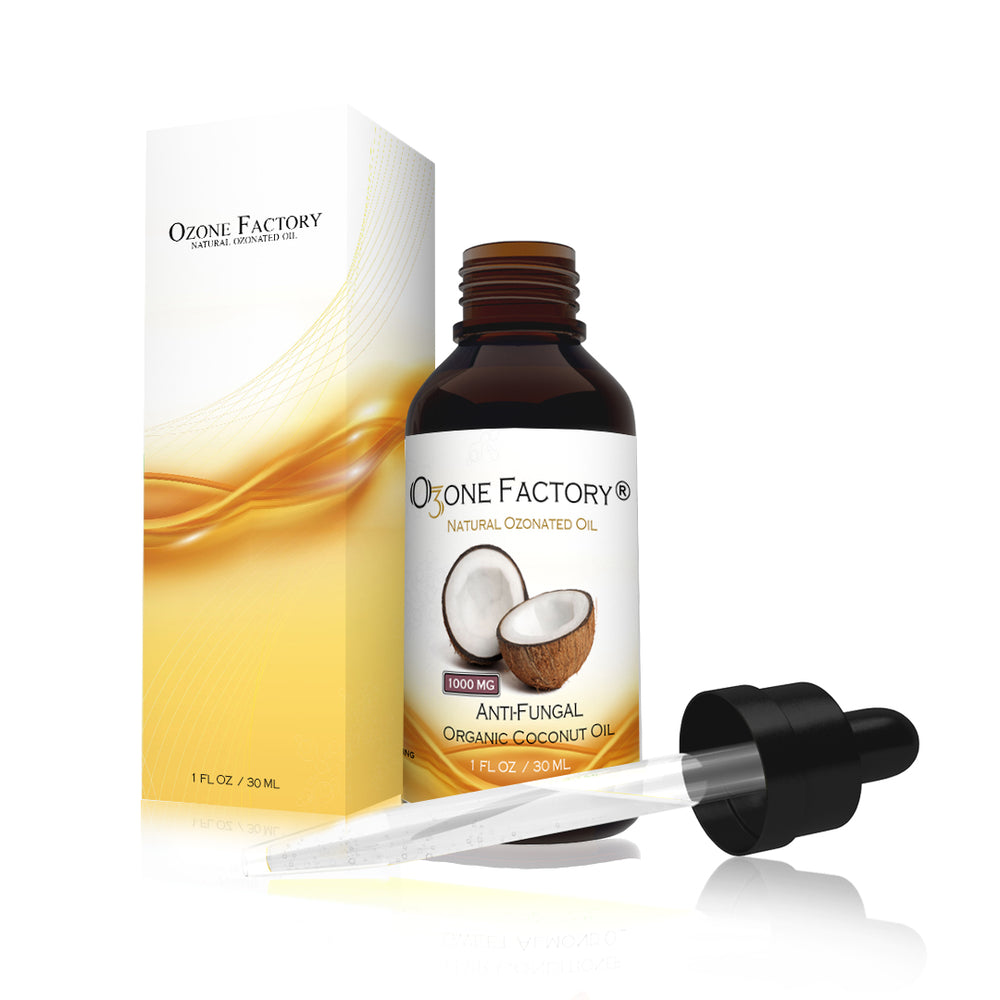
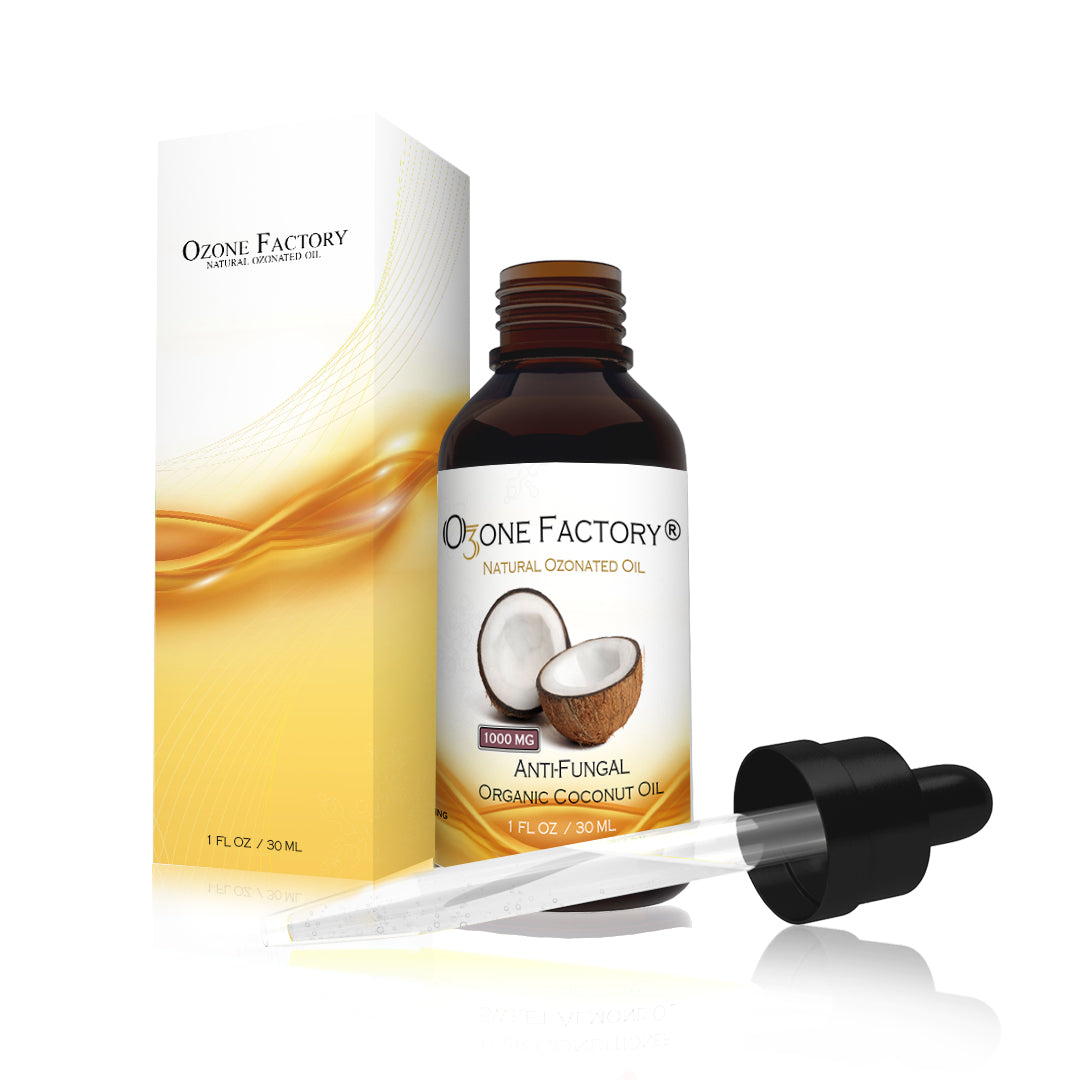
Although ozonated oils cannot reverse the skin discoloration caused by heat, they may support the skin during recovery.
Because ozonated oils contain oxygen-rich compounds combined with nourishing plant oils, they may help:
- Moisturize dry skin
- Support the skin’s natural repair process
- Help restore the skin’s protective barrier
- Reduce discomfort associated with mild skin irritation
Using an ozonated oil alongside gentle skincare may help keep the affected skin healthy while it recovers, especially if the area has become dry or sensitive.
How Can You Prevent Toasted Skin Syndrome?
Fortunately, prevention is easy.
Here are a few simple tips:
- Avoid placing laptops directly on your lap for long periods.
- Use a laptop stand or lap desk.
- Limit the use of heating pads and hot water bottles.
- Keep heating devices at the lowest effective temperature.
- Take regular breaks from prolonged heat exposure.
- Check your skin regularly if you frequently use heat-producing devices.
When Should You See a Doctor?
Make an appointment with a healthcare professional if:
- The discoloration does not improve after removing the heat source.
- The affected area develops sores, ulcers, or bleeding.
- The patch becomes painful or starts changing rapidly.
- You are unsure whether the skin changes are caused by heat or another skin condition.
Early evaluation helps rule out other skin disorders and ensures appropriate treatment if necessary.
Final Thoughts
Toasted Skin Syndrome is an uncommon but preventable skin condition caused by repeated exposure to moderate heat. Everyday items such as laptops, heating pads, and heated blankets can gradually damage the skin if used for long periods.
The best treatment is to eliminate the source of heat as early as possible. Gentle skincare, including moisturizing products and ozonated oils, may help support the skin’s natural repair process and maintain a healthy skin barrier during recovery. Protecting your skin today can help prevent long-term changes tomorrow.