





Itchy skin is something almost everyone experiences at some point. Sometimes it’s just a temporary reaction to dry weather or an insect bite. Other times, persistent itching can be a sign of an underlying skin condition or even a health problem that needs medical attention.
The good news is that taking proper care of your skin can make a big difference. Alongside treatments recommended by your healthcare provider, ozonated oils may help soothe irritated skin, support healing, and improve the skin’s natural protective barrier.
What Is Itchy Skin?
Itchy skin, also called pruritus, is an uncomfortable sensation that makes you want to scratch. While scratching may bring temporary relief, it often makes the problem worse. Repeated scratching can damage the skin, increase irritation, and even lead to infection.
If itching lasts for more than six weeks or interferes with your daily life or sleep, it’s important to consult a healthcare professional.
Common Causes of Itchy Skin
· Dry Skin
One of the most common reasons for itching is simply dry skin. Cold weather, air conditioning, hot showers, harsh soaps, and aging can all remove the skin’s natural moisture.
o You may notice:
o Tight or rough skin
o Flaking or peeling
o Mild to moderate itching
o Small cracks in the skin
· Eczema (Atopic Dermatitis)
Eczema causes the skin to become dry, red, inflamed, and extremely itchy. Scratching often makes symptoms worse, creating a cycle of itching and irritation.
Children and adults can both develop eczema, and flare-ups are common.
· Contact Dermatitis
Your skin may react after touching something that irritates it or causes an allergy. Common triggers include cosmetics, perfumes, detergents, jewelry, plants, and cleaning products.
Symptoms often include:
o Redness
o Itching
o Rash
o Swelling
o Small blisters
· Psoriasis
Psoriasis is a long-term skin condition that causes thick, red patches covered with silvery scales. Many people are surprised to learn that these patches can also be very itchy.
· Hives (Urticaria
Hives appear as raised, itchy bumps that can develop suddenly after allergies, infections, medications, or even stress. The itching can be intense but the bumps usually disappear within hours.

· Fungal Skin Infections
Athlete’s foot, ringworm, and yeast infections often cause itching along with redness, scaling, or peeling skin. These infections usually require antifungal treatment.
· Sometimes Itching Comes From Inside the Body
Not all itching starts in the skin. In some cases, it can be linked to other health conditions, including:
o Kidney disease
o Liver disease
o Diabetes
o Thyroid disorders
o Iron deficiency
o Certain blood disorders
If you have widespread itching without a visible rash, or if the itching continues despite good skin care, it’s important to see a doctor for further evaluation.
Why Keeping the Skin Barrier Healthy Matters
Think of your skin as your body’s natural shield. It helps keep moisture in while protecting you from bacteria, allergens, and environmental irritants.
When this protective barrier becomes damaged, the skin loses water more easily, becomes more sensitive, and itching often gets worse.
This is why moisturizing and supporting the skin barrier are essential parts of managing itchy skin.
How Ozonated Oils May Help
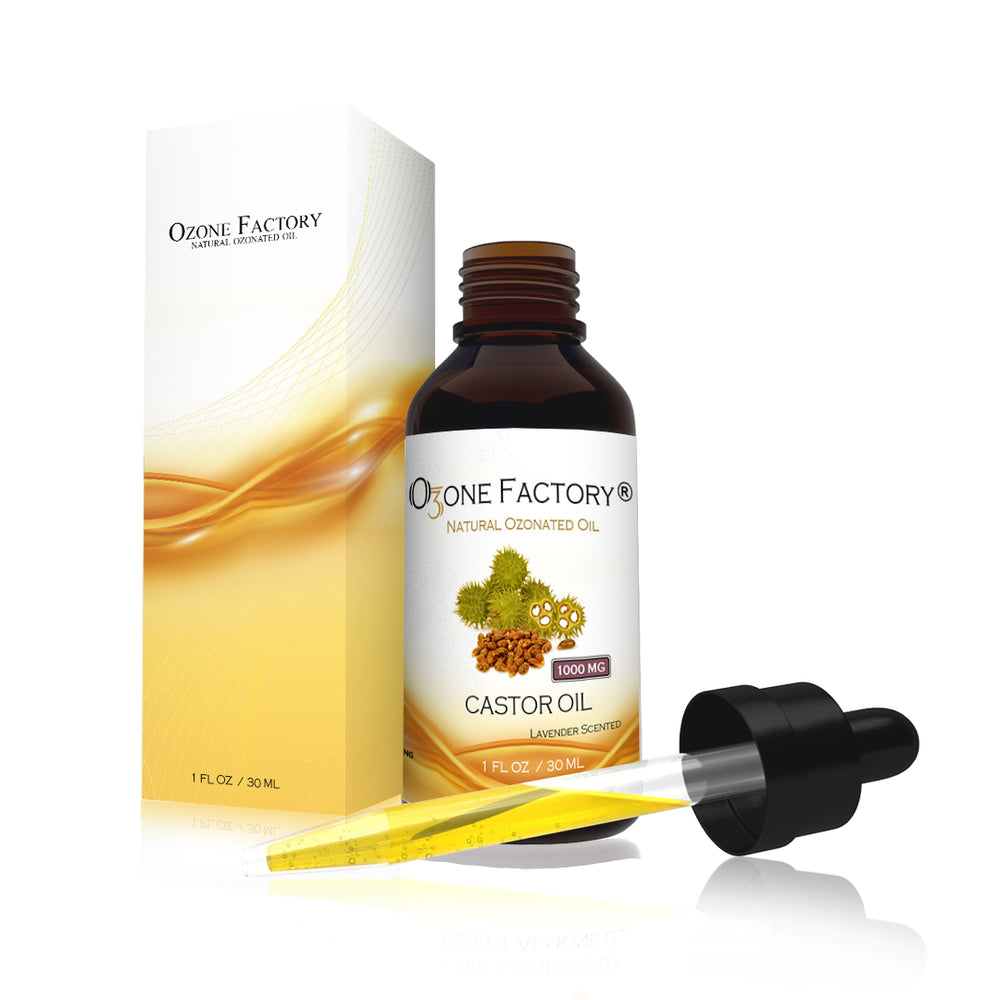
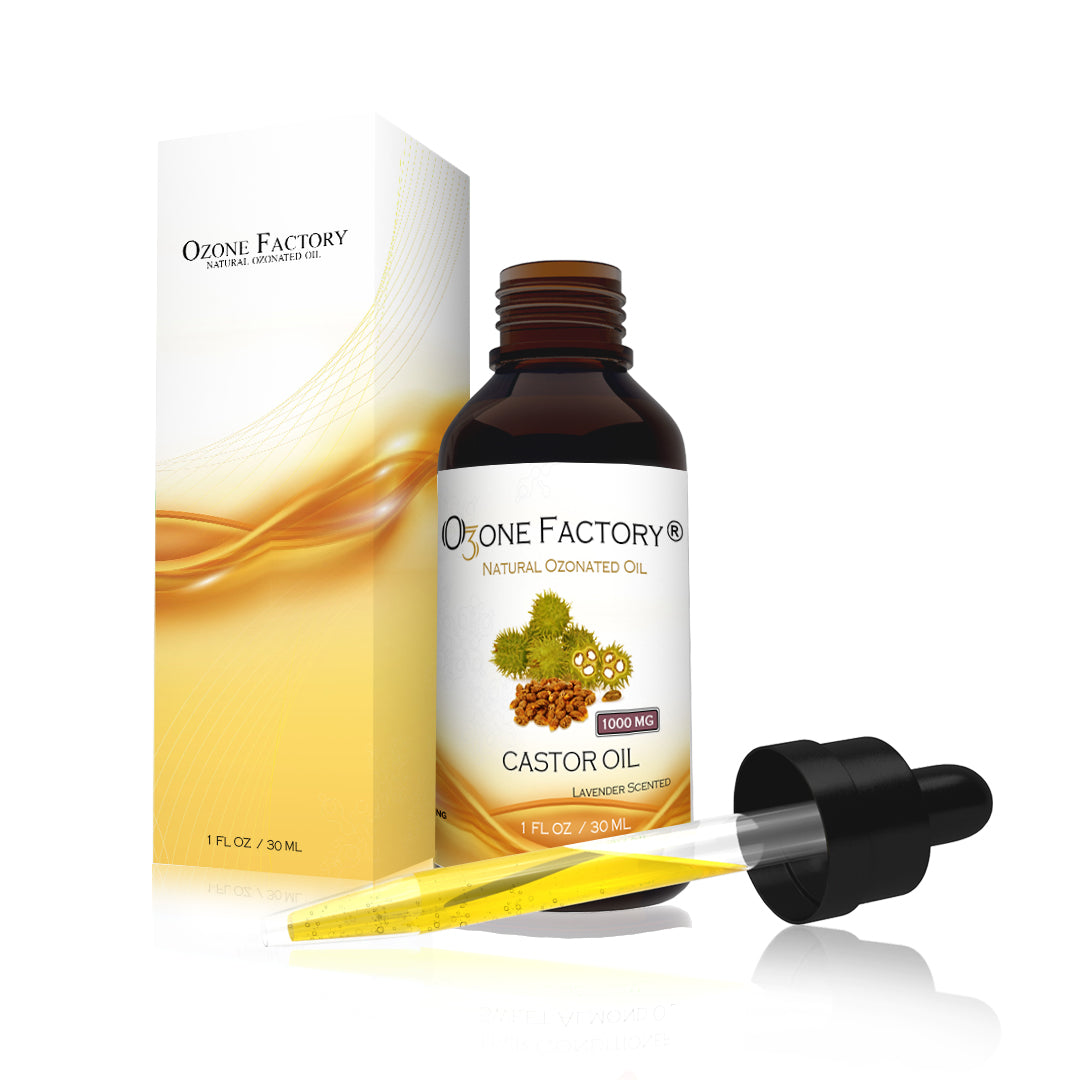
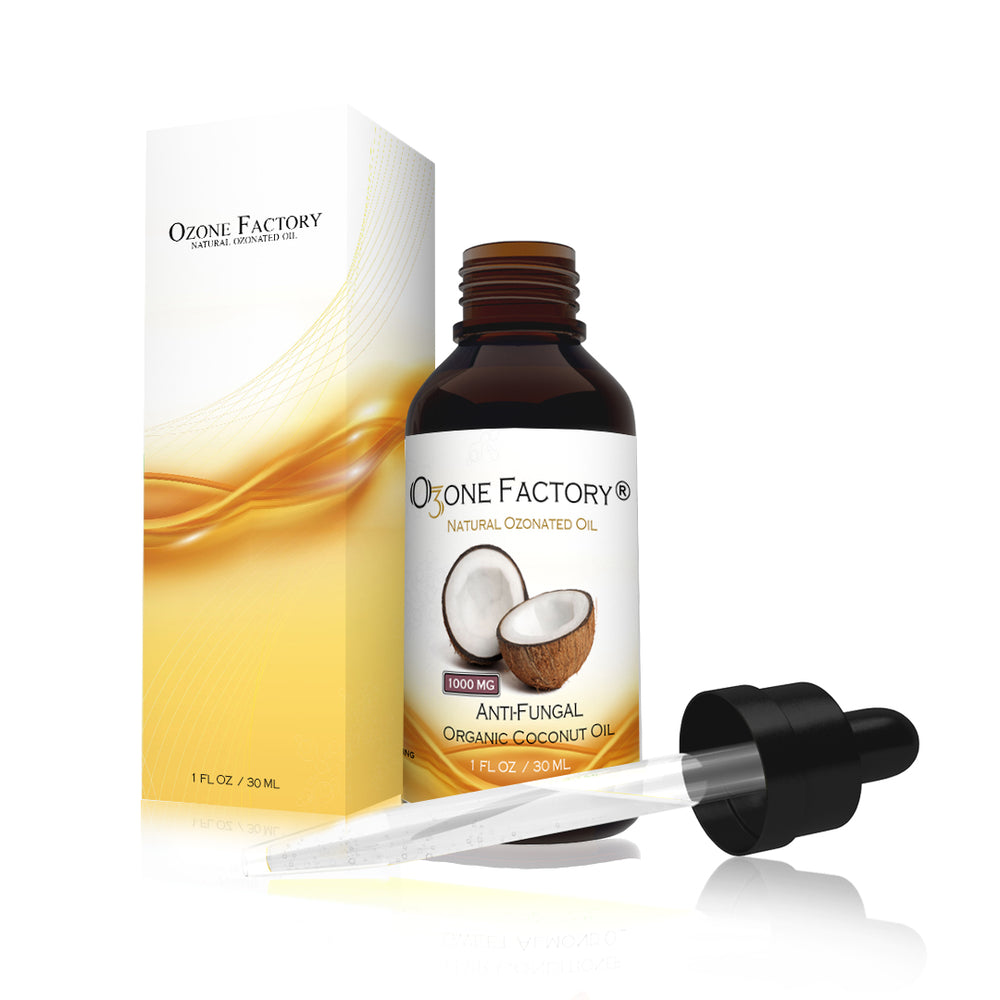
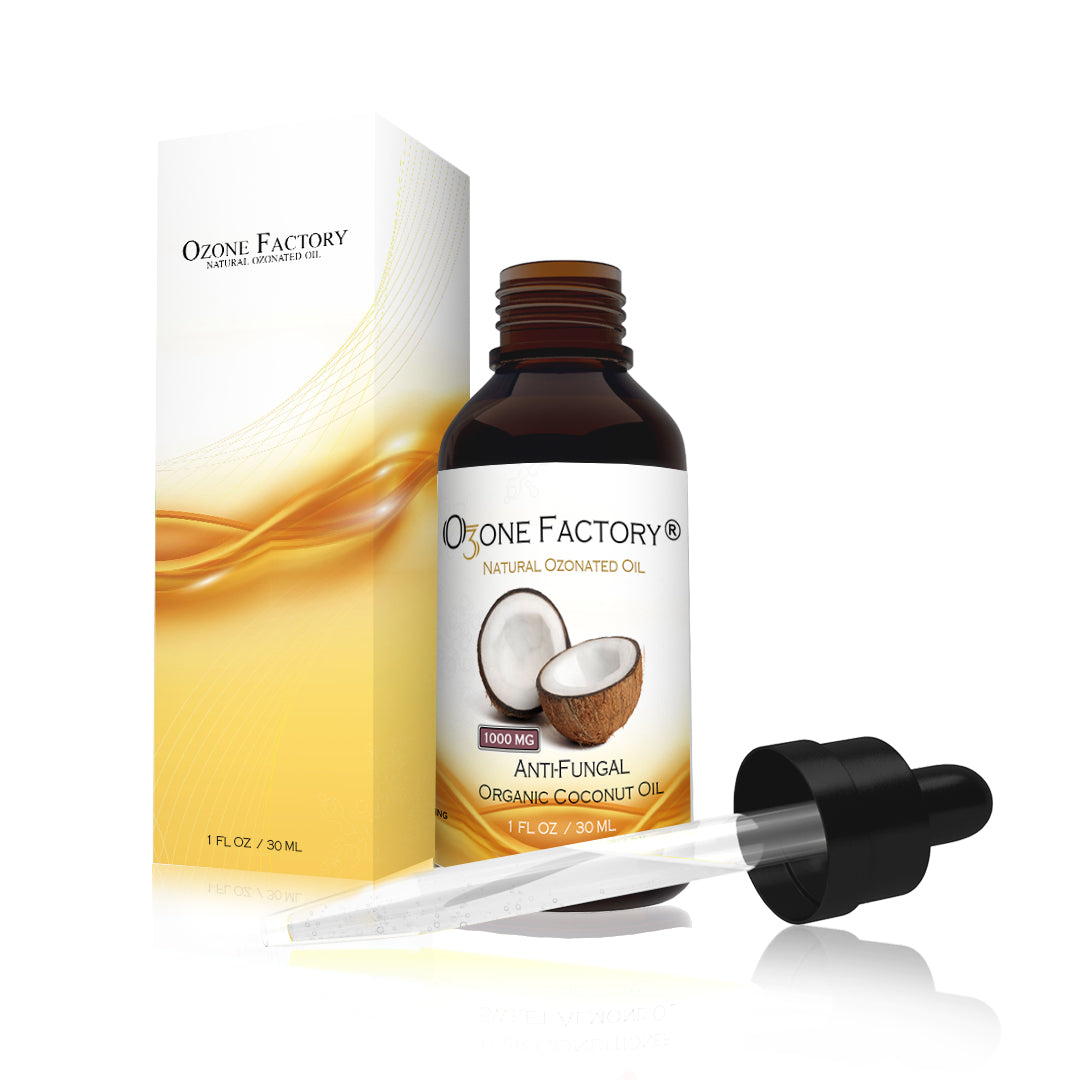
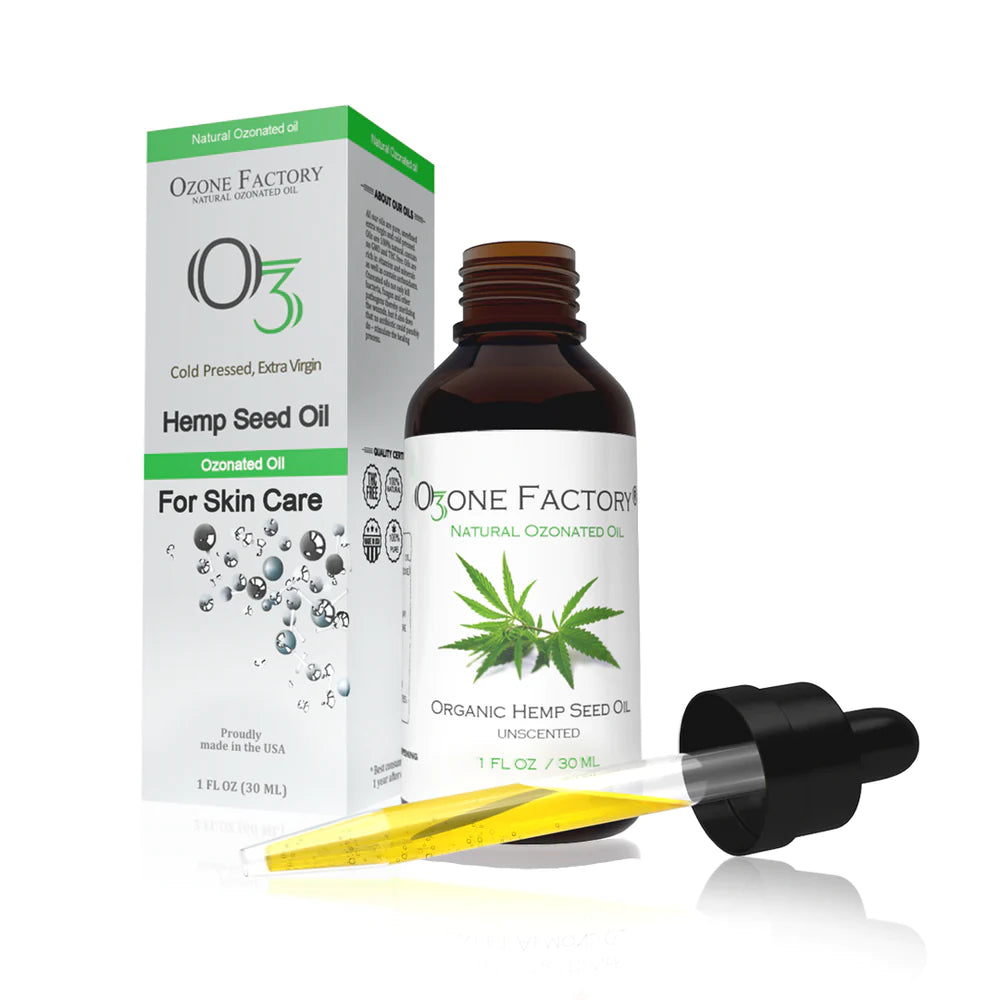
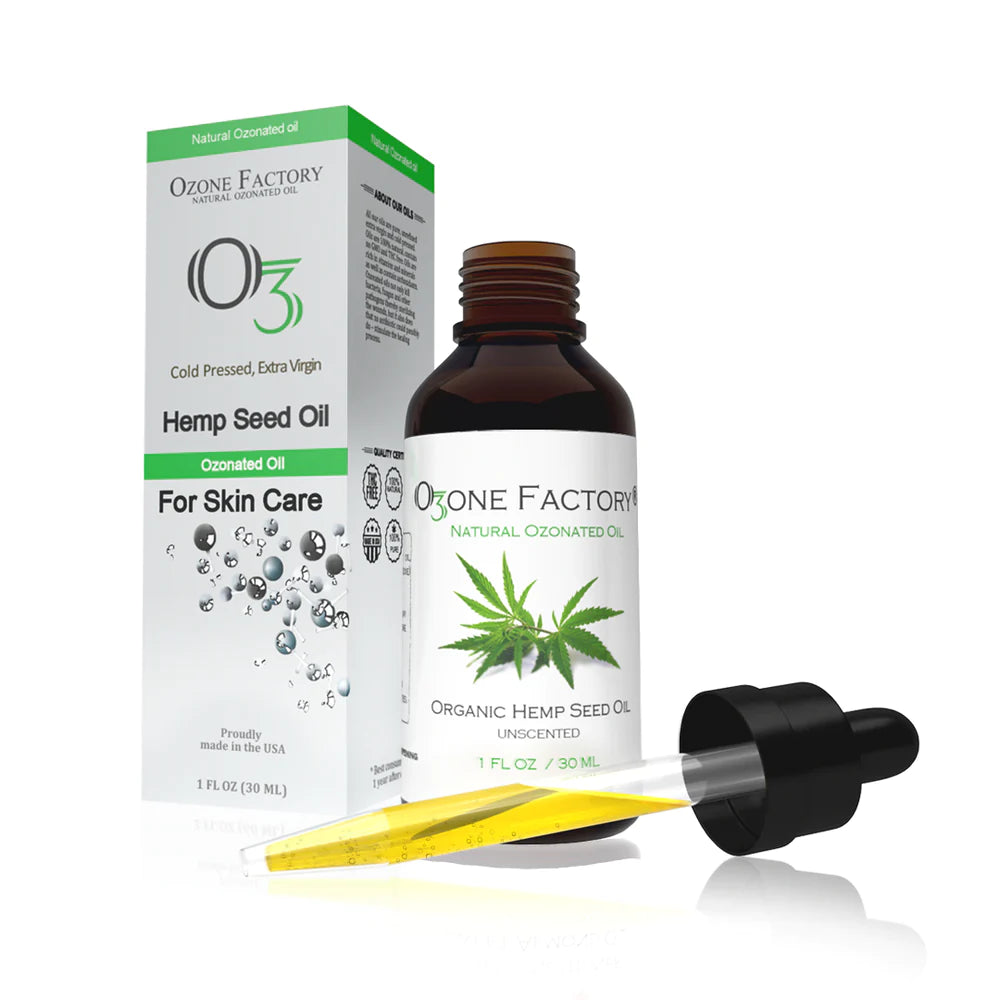
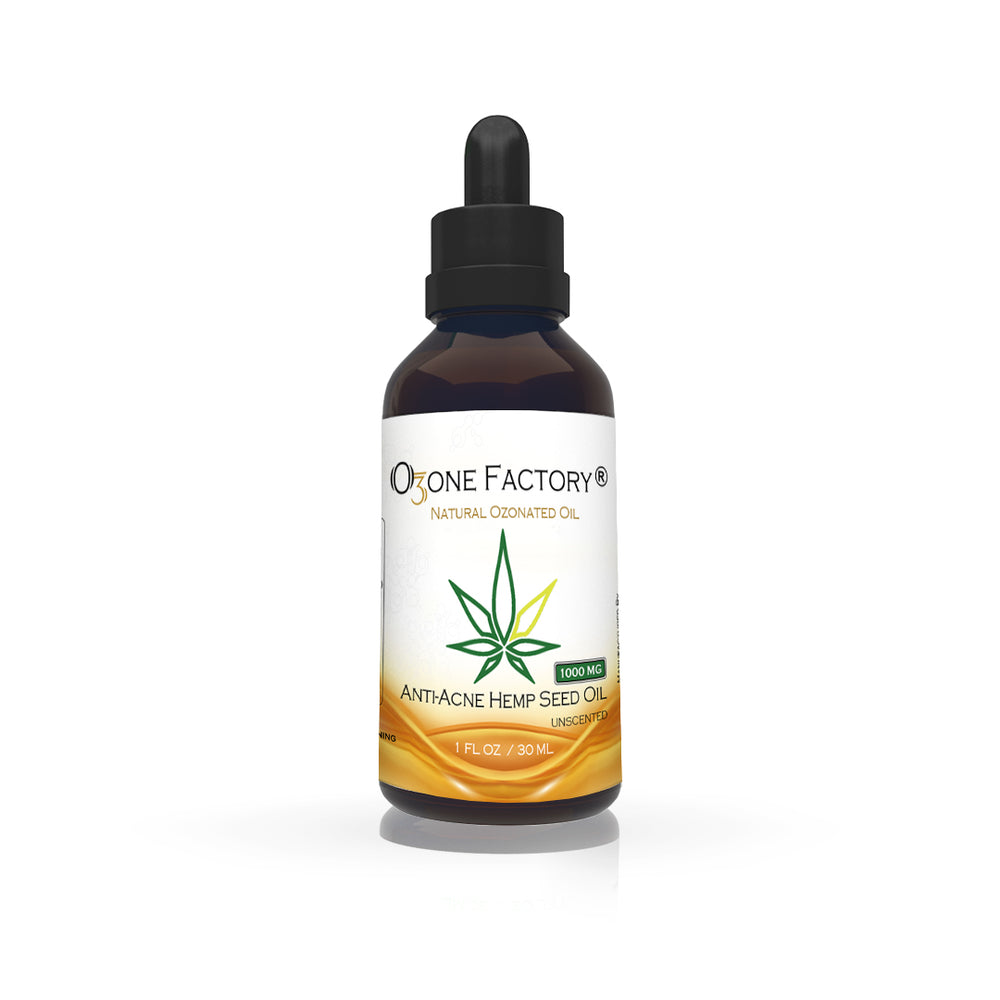
Ozonated oils are made by combining ozone with natural vegetable oils, such as olive oil, coconut oil, almond oil, or hemp seed oil. This process creates oxygen-rich compounds that may support healthy skin.
Although ozonated oils are not a cure for the underlying cause of itching, they may provide several skin-care benefits.
1. Help Soothe Irritated Skin
Ozonated oils may calm dry, uncomfortable skin and help reduce the feeling of irritation that often accompanies itching.
2. Support the Skin’s Natural Repair Process
Frequent scratching can damage the skin. Ozonated oils may help support the skin’s natural healing process and promote recovery of minor skin damage.
3. Help Keep the Skin Moisturized
Healthy oils help lock in moisture, making the skin softer and less prone to dryness-related itching.
4. Help Protect the Skin
Research suggests that ozonated oils have natural antimicrobial properties. This may help support healthy skin, especially when scratching has caused small breaks in the skin.

When Can Ozonated Oils Be Useful?
Ozonated oils may be used as part of a daily skin-care routine for people with:
· Dry, itchy skin
· Eczema-prone skin
· Psoriasis (alongside prescribed treatment)
· Minor skin irritation
· Skin recovering from scratching
· Areas prone to fungal overgrowth (when recommended by a healthcare professional)
They work best as a supportive skin-care product rather than a replacement for medical treatment.
When Should You See a Doctor?
Seek medical advice if:
· The itching lasts longer than six weeks.
· It keeps you awake at night.
· You develop widespread itching without a rash.
· The skin becomes painful, swollen, or starts leaking fluid.
· You notice fever, weight loss, or other unusual symptoms.
· Home skin care does not improve the itching.
These symptoms may indicate an underlying condition that requires medical treatment.
Final Thoughts
Itchy skin can have many different causes—from simple dryness to long-term skin conditions and even internal health problems. Understanding the reason behind the itch is the first step toward effective treatment.
In addition to following your healthcare provider’s recommendations, keeping the skin well moisturized and protecting its natural barrier can help reduce discomfort. Ozonated oils may offer extra support by moisturizing the skin, promoting its natural repair process, and helping maintain a healthy skin environment.
Healthy skin starts with gentle daily care—and sometimes, small changes in your routine can make a noticeable difference.