







If you have oily or combination skin, the idea of applying oil to your face may sound completely wrong.
Why would you add oil to skin that already produces too much?
It is one of the most common skincare misconceptions — and the answer is more nuanced than simply saying “oil is bad for oily skin.”
The right facial oil, used correctly, can complement an oily-skin routine and help maintain a comfortable, balanced skin feel.
Why Does Skin Produce Oil?
Sebum is a natural mixture of lipids produced by the sebaceous glands. It helps lubricate the skin and contributes to the skin’s protective barrier.
Oily skin occurs when the sebaceous glands produce more sebum than is needed for the individual’s skin type.
This can result in:
- visible shine
- enlarged-looking pores
- a greasy skin feel
- increased tendency toward clogged pores in some people
But oily skin is not necessarily well-hydrated skin.
In fact, oily skin can also become dehydrated, particularly after aggressive cleansing or excessive use of drying products.
Oiliness and Dehydration Are Not the Same Thing
One of the most important distinctions in skincare is the difference between oil and water.
Sebum is oil. Hydration refers primarily to the water content of the skin.
Therefore, a person can have oily skin that still feels tight, uncomfortable or dehydrated.
Using harsh cleansers to “remove all the oil” can sometimes make the skin feel even more uncomfortable and encourage a cycle of over-cleansing and increased oiliness.
The goal should not be to eliminate sebum completely, but to maintain a healthy balance.

So, Can Oily Skin Use Facial Oils?
Yes — but formulation and quantity matter.
Facial oils are primarily emollients. They help soften the skin and can reduce the feeling of dryness by supporting the skin's lipid layer.
They do not replace water-based hydration, but they can be used as part of a broader skincare routine.
For oily or combination skin, a lightweight oil or a small amount of a well-tolerated formulation may be more comfortable than a heavy layer.
What About Ozonated Oils?
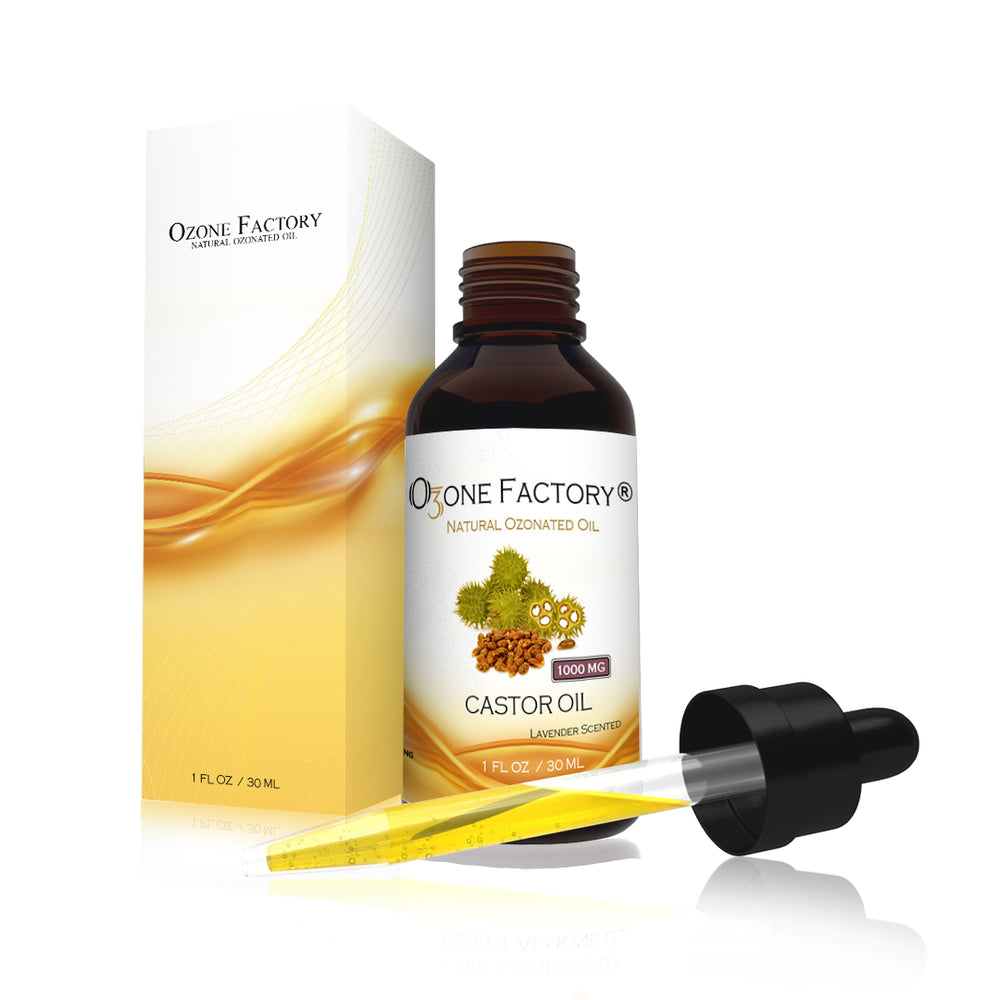
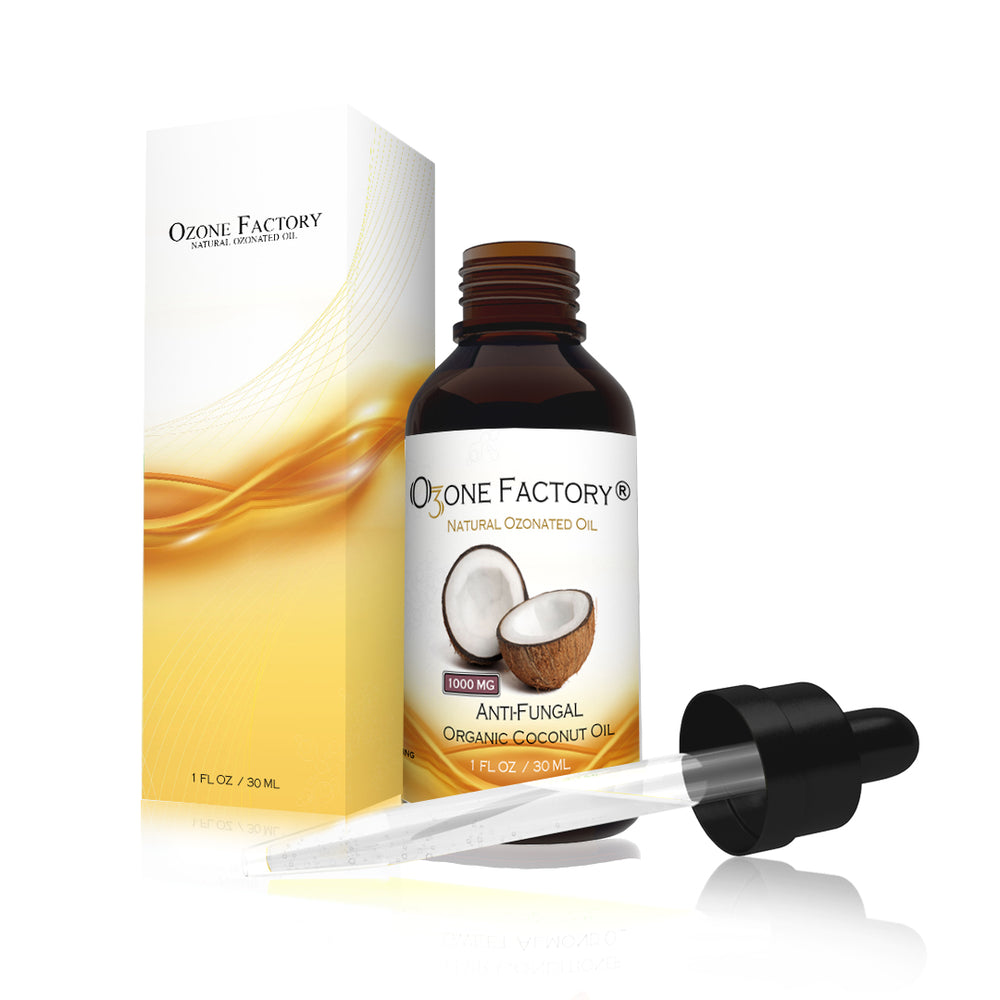
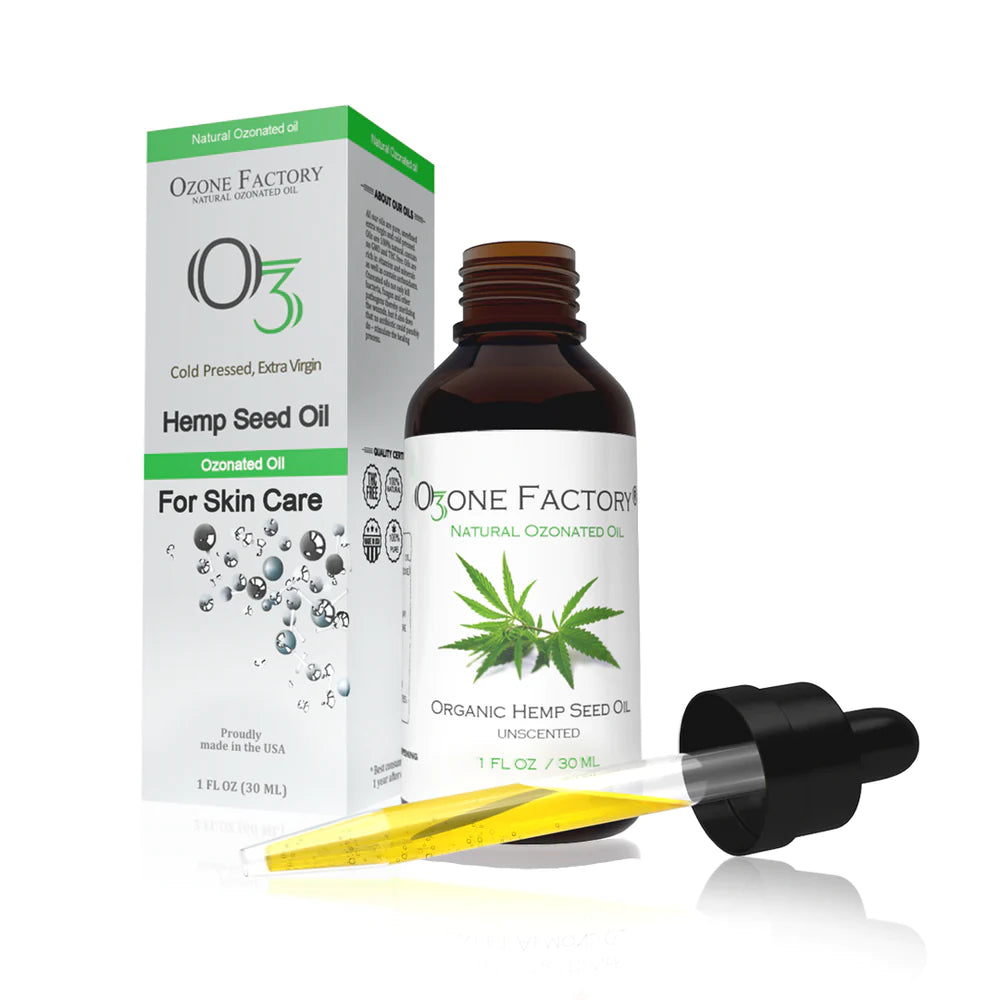
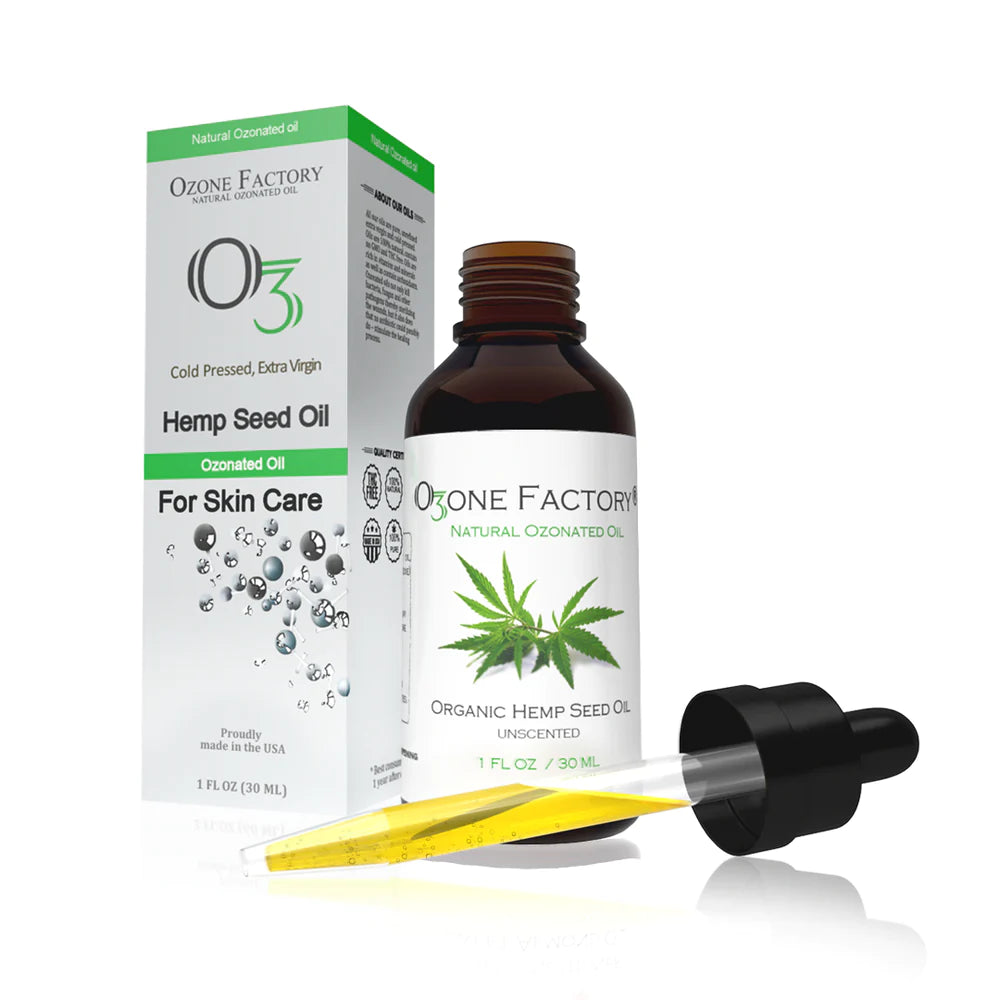
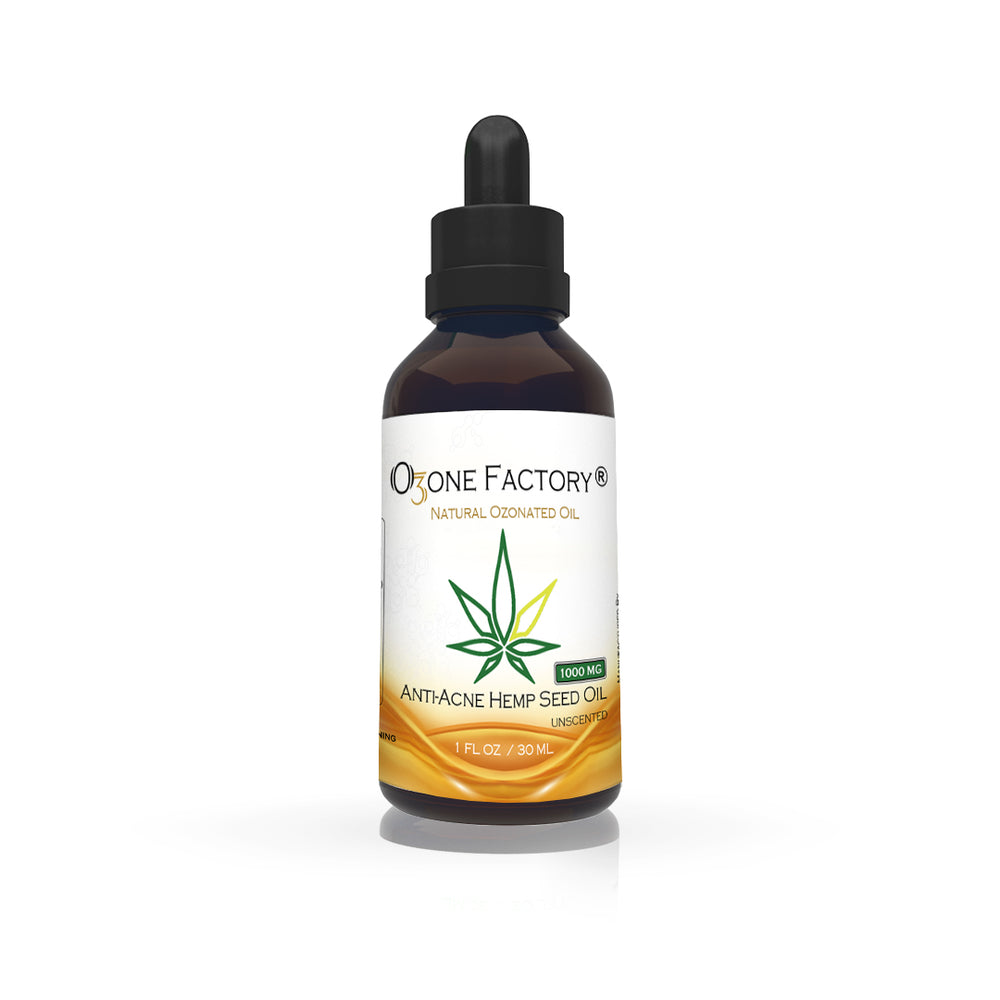
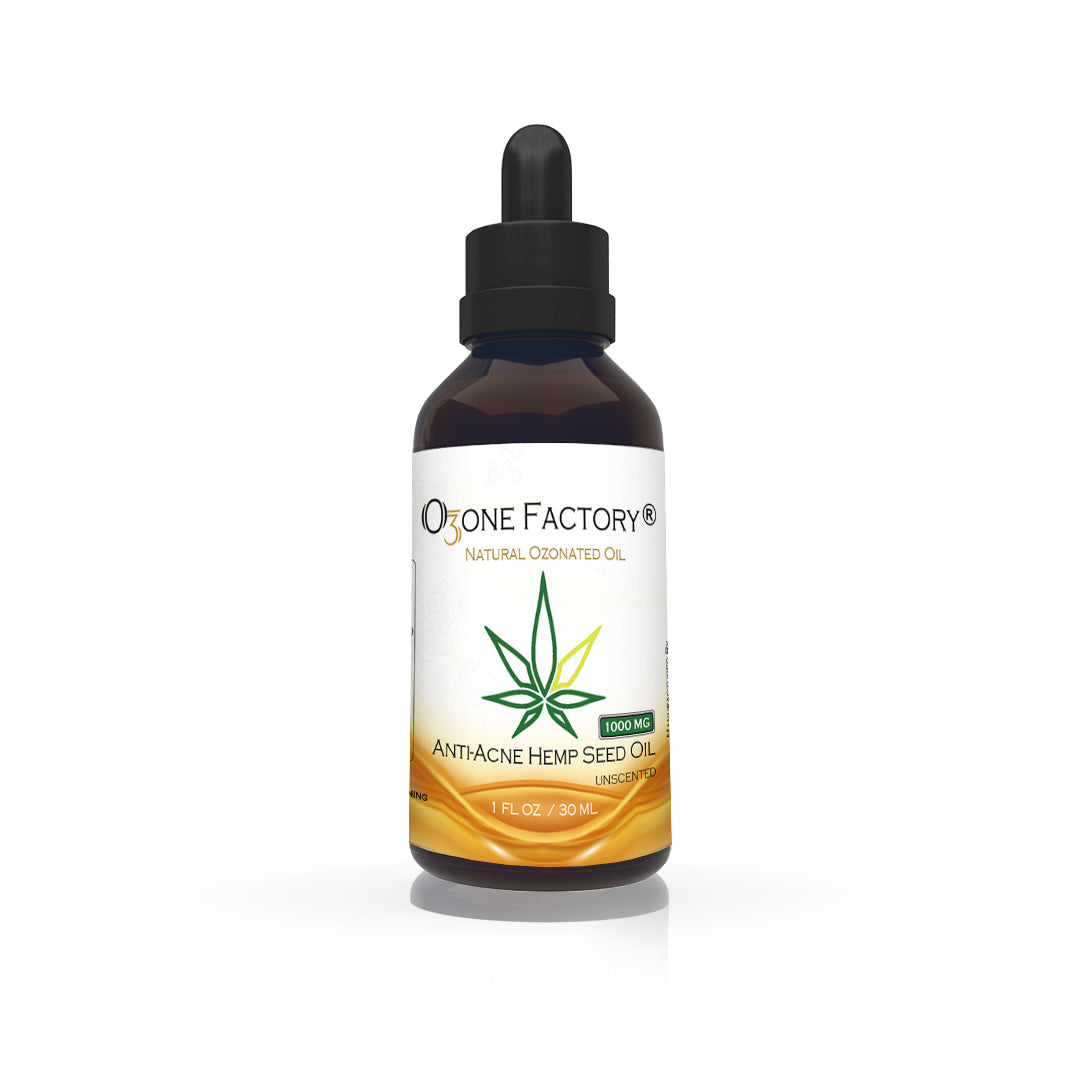
Ozonated oils offer an interesting approach to oil-based skincare.
They are produced by reacting vegetable oils with ozone under controlled conditions. This process changes some of the fatty acids in the original oil and results in oxygenated compounds, including ozonides.
The characteristics of the final product depend partly on the vegetable oil used as the base.
For example, ozonated hempseed oil may appeal to those who prefer a lighter-feeling oil, while other base oils can provide a richer, more nourishing texture.
The important point is that “oil” is not a single category. Different oils have different compositions, textures and cosmetic properties.
How to Use Facial Oil on Oily Skin
If you have oily or combination skin and want to introduce a facial oil, start simple.
1. Use a small amount
More product does not necessarily mean better results. A few drops may be enough for the entire face.
2. Apply it to slightly damp skin
After cleansing and applying a lightweight hydrating product, a small amount of facial oil can be used as the final step.
3. Start with the evening routine
Nighttime is often the easiest time to experiment with a new facial oil, especially if you are concerned about shine during the day.
4. Introduce one product at a time
This makes it easier to determine how your skin responds.
5. Choose according to your skin
If you are prone to clogged pores or breakouts, pay attention to how your skin reacts rather than assuming that every facial oil will work for you.

What Oily Skin Should Avoid
The problem is usually not simply “oil.”
A skincare routine can become problematic when it includes excessive cleansing, frequent harsh exfoliation or multiple irritating active ingredients.
Instead of trying to strip the skin completely, consider a balanced routine:
Gentle cleanser → lightweight hydration → suitable facial oil, if desired → daytime SPF
Simple does not mean ineffective.
The Bottom Line
Oily skin does not have to be treated as skin that needs everything removed.
Sebum is part of the skin’s natural protective system, while facial oils can provide additional emollient properties when appropriately selected and used.
The key is finding the right balance, texture and amount for your individual skin.
So, if you have oily skin, don't automatically write off facial oils.
Sometimes, the better question isn't “Why would I put oil on oily skin?”
It is:
“Which oil, how much, and how does my skin respond?”