



Hair loss is a common concern that affects both women and men at different stages of life. Finding a few extra hairs on your brush may be normal, but persistent thinning, excessive shedding, or visible bald patches can have many different causes.
From genetics and hormonal changes to stress, illness, nutritional deficiencies, and autoimmune conditions, hair loss is not one single condition — and it does not have one universal solution.
Understanding what is happening to the hair and scalp is the first step toward choosing the right approach. Alongside appropriate medical treatment when necessary, a thoughtful scalp-care routine can help maintain healthy-looking hair and a comfortable scalp.
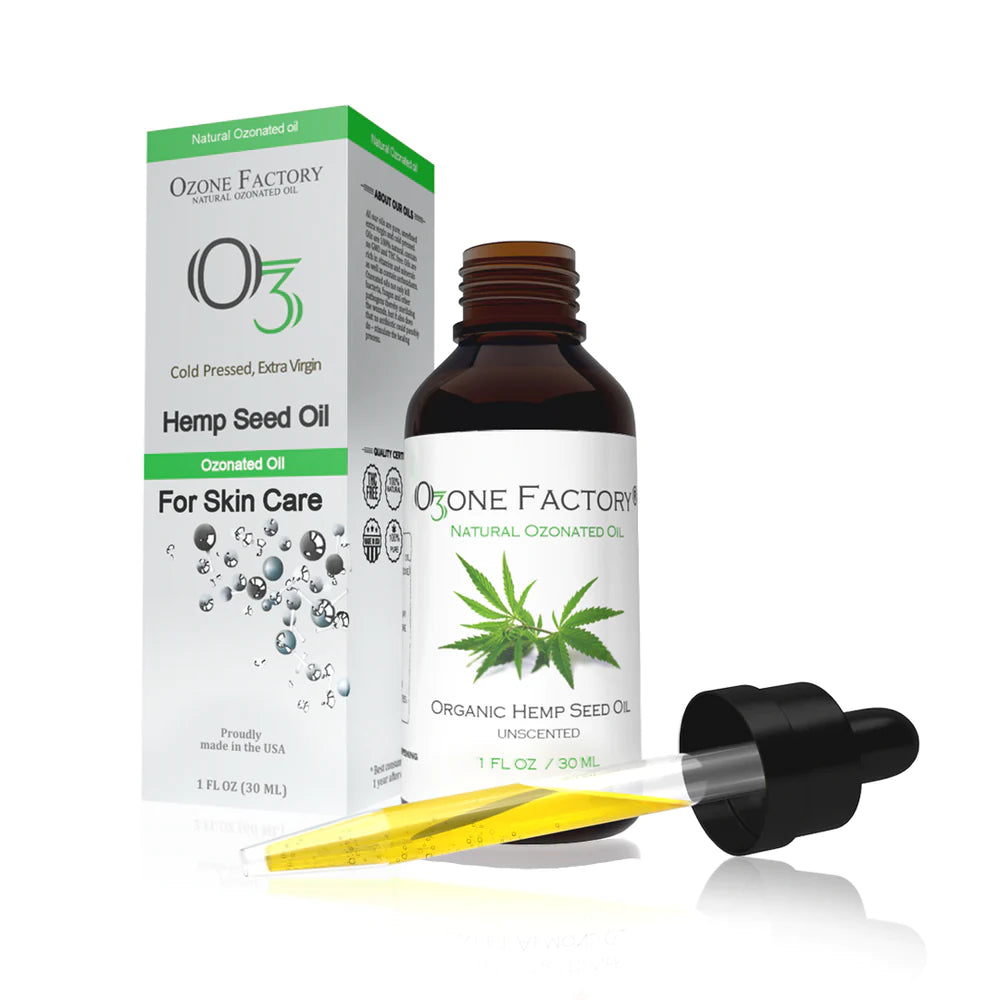
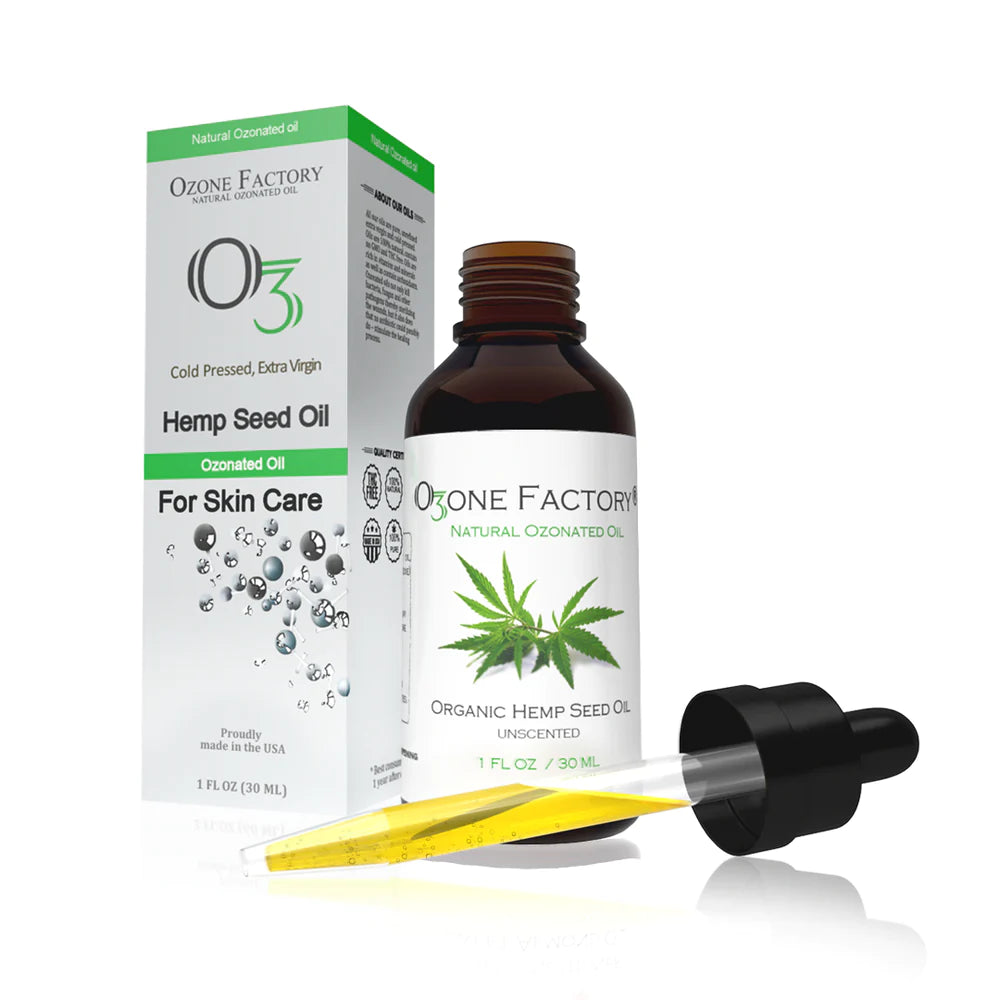
One natural ingredient that has attracted increasing interest in topical skin and scalp care is ozonated vegetable oil.
What Is Alopecia?
Alopecia is the medical term for hair loss. It can be temporary or progressive and may affect the scalp, eyebrows, eyelashes, beard, or other areas of the body.
Some of the most common forms include:
Androgenetic Alopecia
Also known as pattern hair loss, this is strongly influenced by genetics and hormonal factors. Hair follicles gradually become smaller, producing thinner and shorter hairs.
In women, it often appears as diffuse thinning or a widening part. In men, it commonly affects the temples and crown.
Telogen Effluvium
This type of hair loss is usually characterized by increased shedding rather than permanent follicle damage. It can occur after:
- significant stress;
- illness or fever;
- surgery;
- childbirth;
- rapid weight loss;
- nutritional deficiencies;
- hormonal changes.
Once the underlying trigger is addressed, hair growth often gradually returns to its normal cycle.
Alopecia Areata
Alopecia areata is an autoimmune condition that can cause sudden, smooth, round patches of hair loss. It may affect the scalp, beard, eyebrows, or eyelashes.
Because the underlying mechanism is autoimmune, medical assessment and appropriate treatment are important.
Traction Alopecia
Repeated pulling on the hair can damage follicles and cause hair loss around the hairline or other areas exposed to tension.
Tight ponytails, braids, extensions, and other hairstyles that continuously pull on the roots can contribute to this type of alopecia.

What Can Cause Hair Loss?
Hair loss can be influenced by many factors, including:
- genetics;
- hormonal changes;
- stress;
- illness and infections;
- nutritional deficiencies;
- certain medications;
- autoimmune conditions;
- scalp inflammation;
- excessive chemical or heat treatments;
- repeated mechanical tension.
This is why treating hair loss starts with identifying its cause.
For some conditions, treatments such as topical minoxidil, corticosteroids, hormonal therapies, or other prescription treatments may be recommended by a healthcare professional.
Hair oils cannot replace appropriate medical treatment when a medical cause of hair loss is present.
Natural Ways to Support Healthy Hair
While no natural remedy can treat every form of alopecia, simple habits can help protect the scalp and reduce unnecessary hair damage.
A healthy hair-care routine can include:
- avoiding very tight hairstyles;
- limiting excessive heat styling;
- using gentle hair products;
- avoiding aggressive brushing;
- maintaining a balanced diet with adequate protein and nutrients;
- managing stress and getting enough sleep;
- keeping the scalp clean without excessive scrubbing.
And, of course, choosing appropriate products for the scalp itself can be an important part of the routine.

How Can Ozonated Oils Support Scalp Care?
1. Conditioning the Scalp
A healthy scalp provides the environment in which hair follicles function.
Ozonated vegetable oils can be incorporated into a scalp-care routine to help condition the skin and reduce the feeling of dryness or tightness.
2. Supporting a Clean, Balanced Scalp Environment
Ozonated oils have demonstrated antimicrobial potential in laboratory and topical research. This makes them an interesting ingredient for formulations designed to support skin and scalp hygiene.
However, they should not be considered a substitute for medical treatment of a diagnosed fungal or bacterial infection.
3. Caring for Dry and Damaged Hair
Oils can also be used on the hair shaft itself.
Although an oil cannot biologically “feed” a hair follicle, it can help condition the lengths and ends, improving softness, shine, and manageability.
This is particularly useful for dry, coarse, or chemically treated hair.
Simple Ways to Incorporate Ozonated Oils into Your Hair-Care Routine
Ozonated oils can be easily incorporated into a regular hair-care routine without complicated recipes or multiple ingredients. Depending on your hair and scalp needs, they can be used as a scalp treatment, pre-shampoo treatment, or conditioning treatment for the hair lengths.
1. Ozonated Oil Scalp Massage
Apply a small amount of ozonated oil directly to the scalp and gently massage with your fingertips for 3–5 minutes.
Leave it on for 20–30 minutes before washing your hair with a gentle shampoo.
Best for: a simple scalp-care ritual and dry or uncomfortable-feeling scalp.
2. Pre-Shampoo Hair Treatment
For dry, brittle, or damaged-looking hair, apply ozonated oil mainly to the mid-lengths and ends.
Leave it on for approximately 20–30 minutes, then shampoo as usual.
This method can help improve the feeling and manageability of dry hair without leaving the scalp excessively oily.
Best for: dry, coarse, or chemically treated hair.
3. Overnight Hair Treatment
For particularly dry hair, a small amount of ozonated oil can be applied to the lengths and ends before bedtime.
Protect your pillow with a towel or hair wrap and wash your hair the following morning.
Because overnight treatments may be too heavy for some scalps, it is preferable to start with a short 20–30 minute treatment and increase the duration only if the hair tolerates it well.
Best for: very dry lengths and ends.
4. Ozonated Oil for Hair Ends
You do not always need a full hair treatment.
Apply 1–2 drops of ozonated oil to the palms, rub them together, and lightly smooth the product over the ends of the hair.
This can be particularly useful between washes when the ends feel dry or rough.
Best for: dry, frizzy, or split-looking ends.
A Simple Rule to Remember
Scalp → small amount + gentle massage
Lengths → slightly more product + pre-shampoo treatment
Ends → just a few drops
The key is to adapt the amount and frequency to your individual hair type. Ozonated oils should complement your hair-care routine, not make it unnecessarily complicated.
The Bottom Line
Healthy hair starts with a healthy scalp, but hair loss is often more complex than it appears.
Understanding the underlying cause is essential, and medical treatment may be necessary for many types of alopecia. At the same time, a gentle and consistent scalp-care routine can complement professional treatment and help maintain healthy-looking hair.
Ozonated oils offer an interesting addition to this routine, combining the conditioning properties of vegetable oils with the unique compounds formed during ozonation. While more research is needed to establish their direct effects on hair growth, their topical properties make them a promising option for complementary scalp and hair care.
Take care of your scalp, protect your hair, and give your routine time.
Healthy scalp. Healthy hair. Better care, naturally.
This article is intended for educational and cosmetic-care purposes and should not replace professional medical advice or treatment.