





Your skin does more than protect your appearance. It acts as a natural barrier, helping keep moisture inside while protecting the body from irritants, pollution and microorganisms.
When this barrier is weakened, the skin may become dry, sensitive, itchy or irritated. The good news is that a simple skincare routine can help support its natural protective function.
What Is the Skin Barrier?
The skin barrier is the outermost layer of the skin. Think of it as a protective wall: skin cells are the bricks, while natural lipids, including ceramides and fatty acids, act as the mortar.
Together, they help prevent excessive water loss and keep unwanted substances from entering the skin.
A healthy skin barrier helps maintain hydration, softness and comfort. When it is damaged, the skin loses moisture more easily and may react to products that it previously tolerated.
What Can Damage the Skin Barrier?
Sometimes, the products we use to care for our skin can contribute to irritation.
Common causes include:
- Over-cleansing: Washing too often or using harsh cleansers can remove some of the skin’s natural protective lipids.
- Excessive exfoliation: Frequent use of scrubs, acids or retinol may irritate the skin, especially when several active ingredients are combined.
- Environmental factors: Cold weather, wind, dry air and excessive sun exposure can affect the skin’s condition.
- Irritating ingredients: Fragrances and other ingredients may cause irritation or allergic reactions in some people.
- Overcomplicated routines: Using too many products at once can make it difficult to identify what your skin actually needs.
Signs of a weakened skin barrier may include tightness, flaking, redness, itching, increased sensitivity and a burning sensation after applying skincare products.
How Can You Support Your Skin Barrier?
Healthy skincare does not have to be complicated. In many cases, a gentle and consistent routine is a good place to start.
1. Choose a gentle cleanser. Avoid products that leave your skin feeling tight or uncomfortable. Lukewarm water is generally preferable to very hot water.
2. Moisturize regularly. Moisturizers help maintain hydration and reduce moisture loss. Ingredients such as glycerin, ceramides and hyaluronic acid can be useful, depending on the formulation.
3. Avoid excessive exfoliation. If your skin becomes irritated, consider reducing or temporarily stopping potentially irritating active ingredients until it improves.
4. Protect your skin from the sun. Regular use of broad-spectrum sunscreen helps protect the skin from ultraviolet radiation.
5. Keep your routine simple. A gentle cleanser, moisturizer and sunscreen may be sufficient for many people. Additional products should address specific needs rather than simply add more steps.
What Role Do Oils Play in Skin Care?
Oils can help soften the skin, improve its feel and reduce moisture loss by forming a protective layer on the skin’s surface. However, not all oils are the same. Their fatty acid composition, texture and interaction with the skin influence how they perform in a skincare formulation.
Choosing the right base oil is therefore an important step in creating a product suited to different skin needs.

A Quick Guide to Choosing the Right Oil
Olive Oil — For Dry Skin
Olive oil is rich in oleic acid, a monounsaturated fatty acid. It has a rich texture and helps soften the skin. However, its high oleic acid content may not suit every skin type, particularly when the skin barrier is already irritated. Formulation and concentration matter.
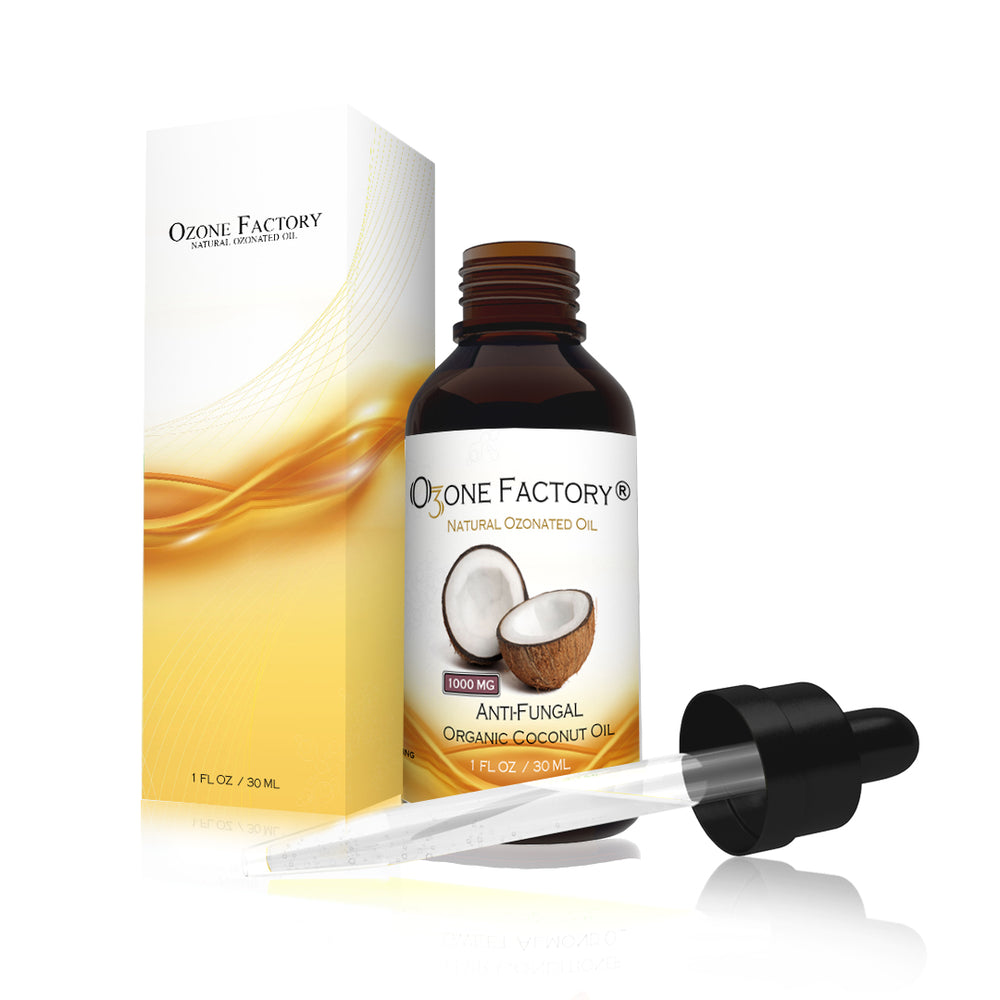
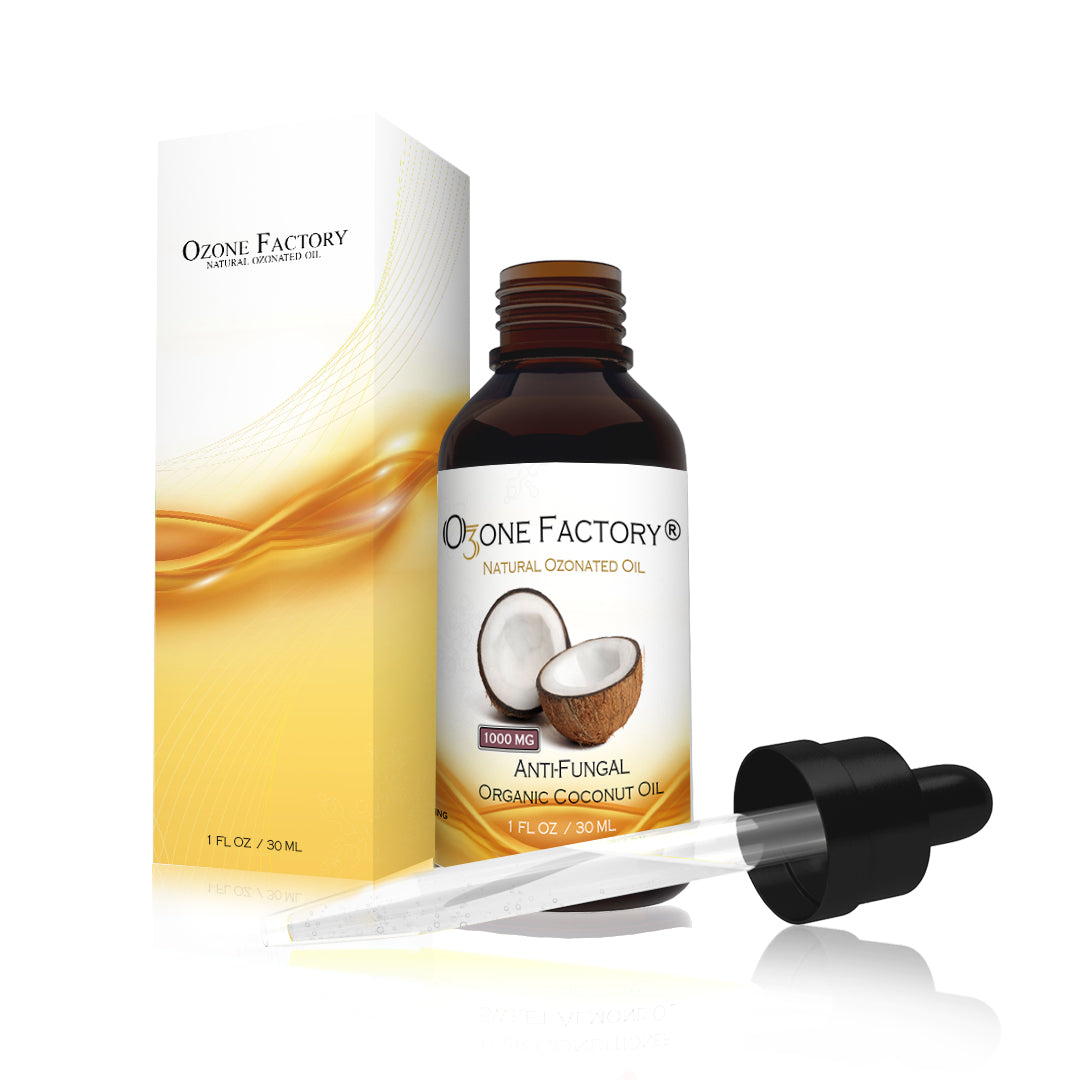
Coconut Oil — For Very Dry Skin
Coconut oil contains a high proportion of saturated fatty acids, especially lauric acid. It forms a nourishing, protective layer and may help reduce moisture loss. Its richer texture can be useful for dry areas, although it may feel too heavy or contribute to clogged pores in some acne-prone individuals.
Sweet Almond Oil — For Soft, Comfortable Skin
Sweet almond oil contains both oleic and linoleic acids and is commonly used in emollient skincare products. Its smooth texture makes it suitable for formulations designed to soften dry skin and improve its feel. People with nut allergies should check product ingredients and seek appropriate advice before use.
Grapeseed Oil — For Lightweight Formulations
Grapeseed oil is rich in linoleic acid and generally has a light texture. It can be a good option when a less heavy, easily spreadable oil is desired. It is often used in facial and body care formulations, including products intended for skin that does not tolerate rich textures well.
Safflower Oil — For Lightweight Moisturizing
High-linoleic safflower oil is rich in linoleic acid, an essential fatty acid involved in maintaining the skin’s lipid barrier. Its relatively light feel makes it useful in formulations intended to soften the skin without leaving a particularly heavy finish. The fatty acid profile can vary by safflower variety.
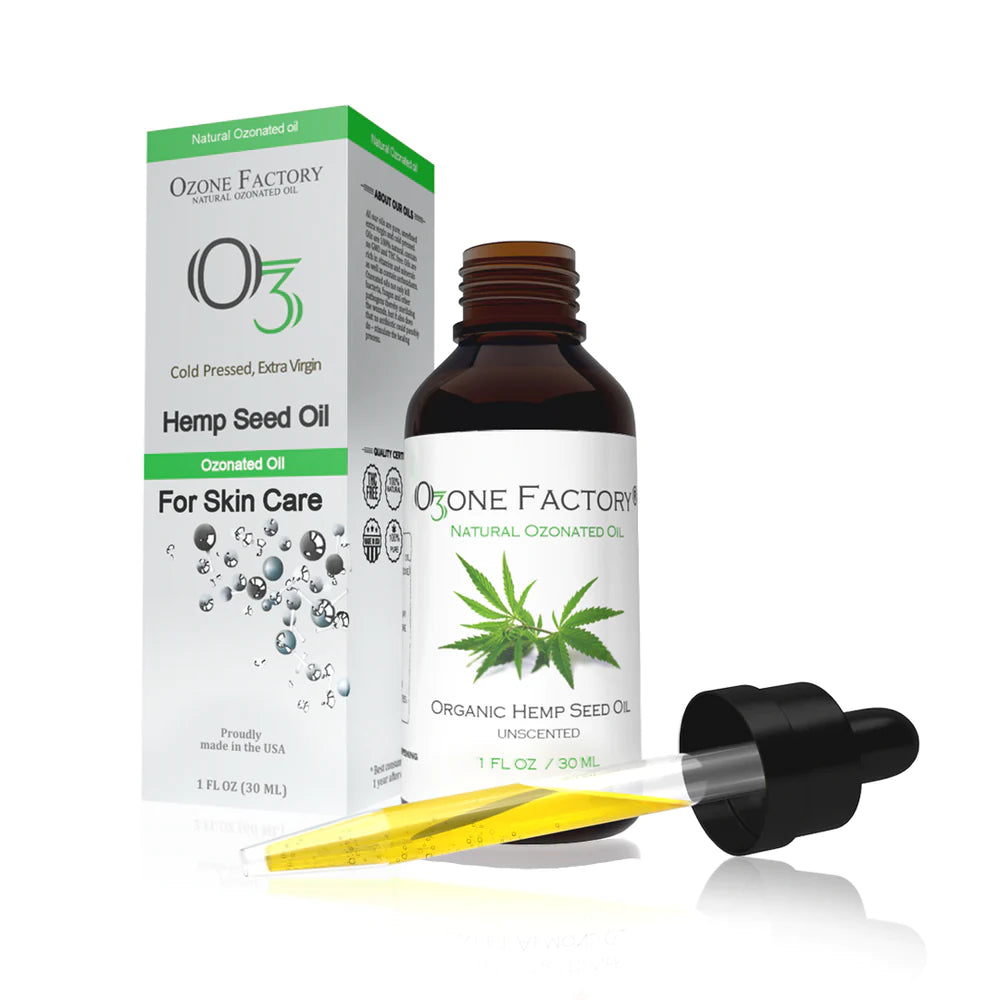
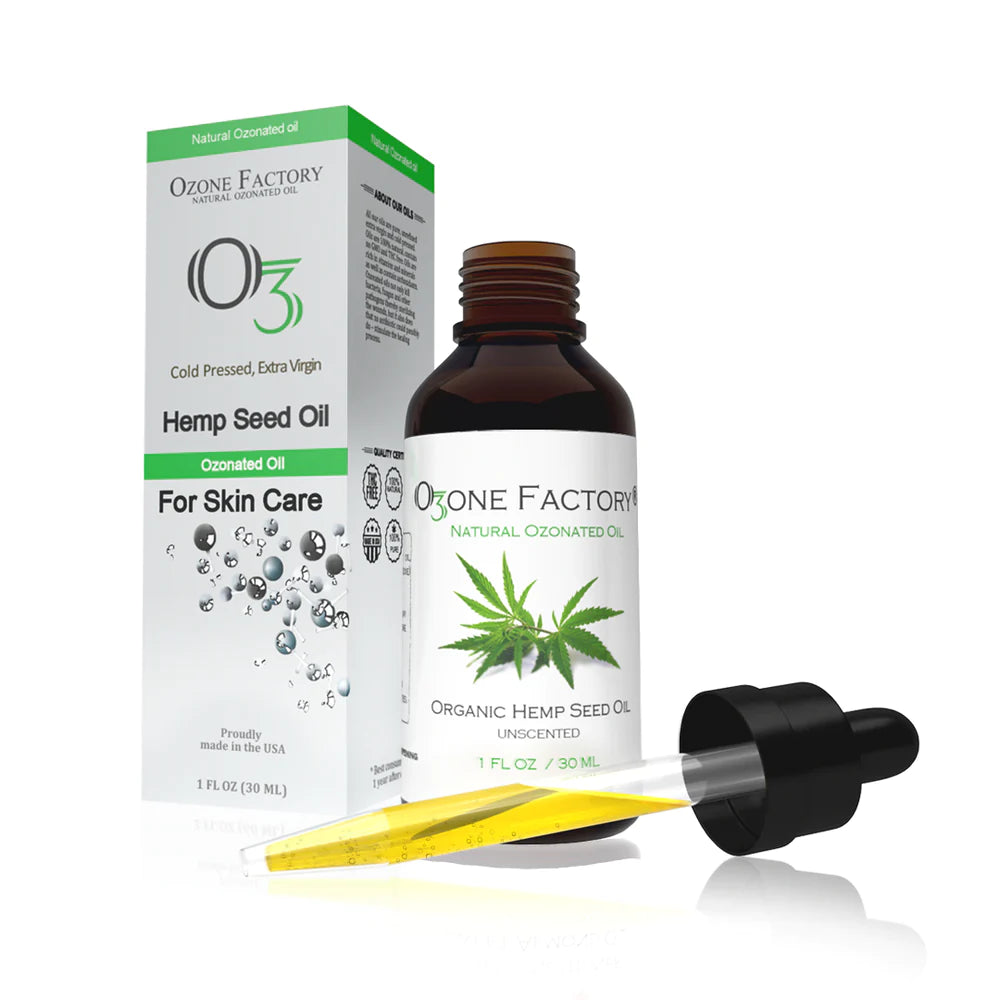
Hemp Seed Oil — For Skin Lipid Support
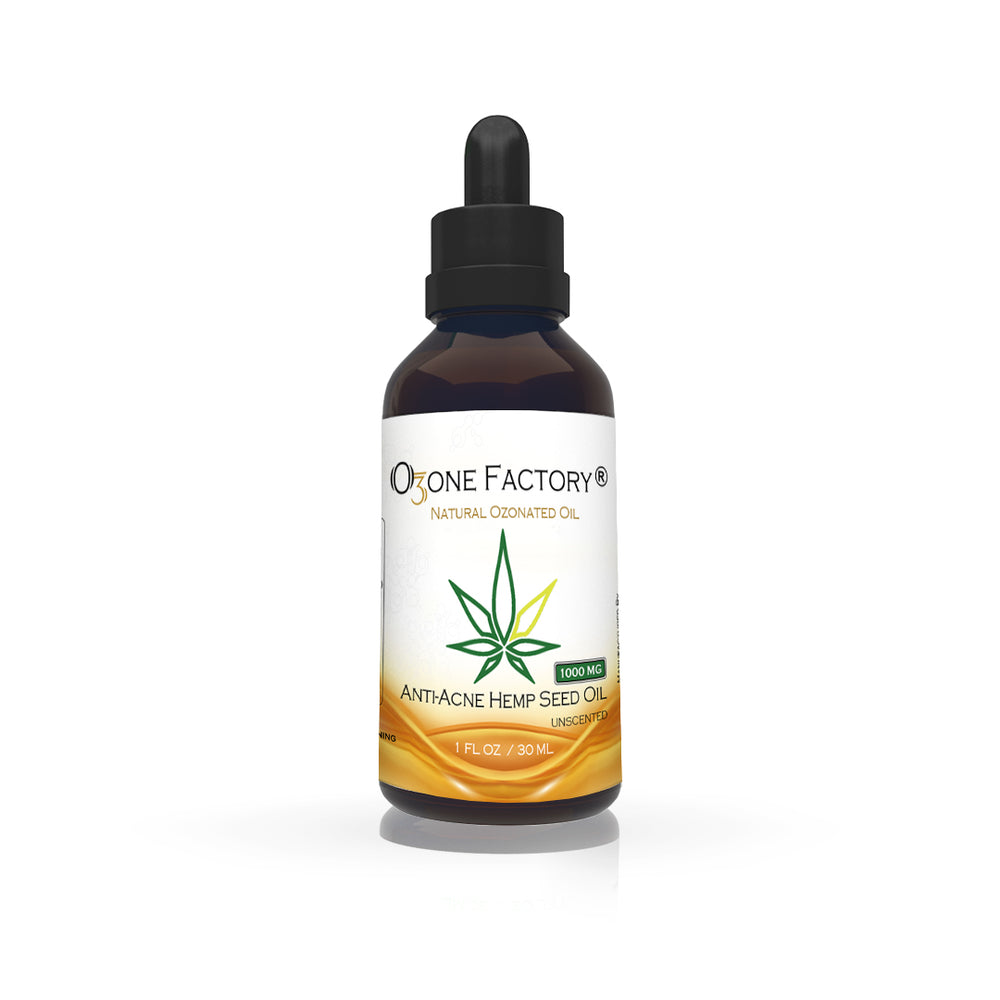
Hemp seed oil contains linoleic acid and alpha-linolenic acid, an omega-3 fatty acid. Its distinctive fatty acid profile makes it an interesting ingredient for skincare formulations designed to condition the skin and support its lipid balance. Because it contains polyunsaturated fats, oxidation stability and appropriate storage are important considerations.
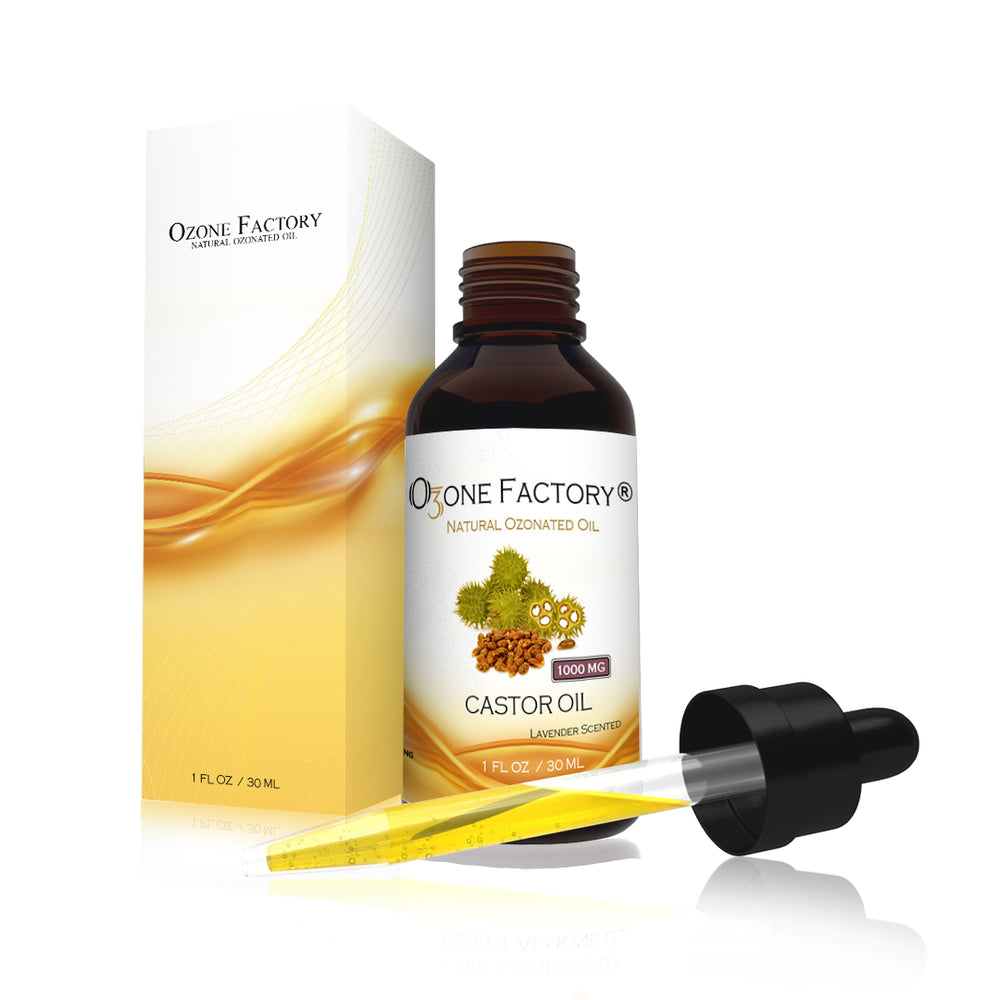
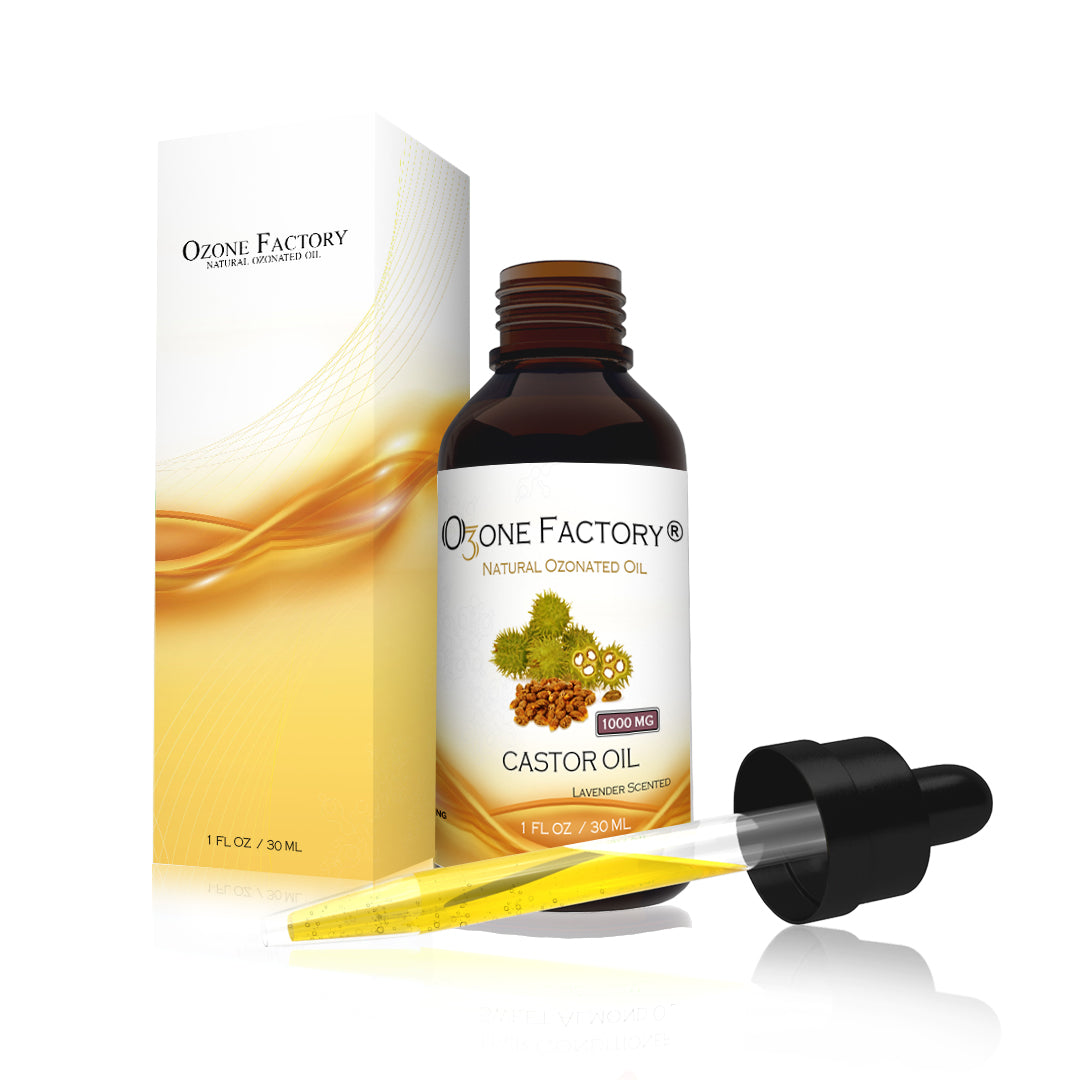
Castor Oil — For Rich, Protective Formulations
Castor oil is rich in ricinoleic acid and has a thick, viscous texture. It is particularly useful when a formulation needs a richer feel, good spread control or a more substantial protective film. Because of its viscosity, it is often blended with other oils rather than used alone in lightweight facial products.
How Do You Choose?
As a simple starting point:
- For very dry skin: consider richer oils such as coconut or olive oil, depending on individual tolerance.
- For a lighter feel: grapeseed or high-linoleic safflower oil may be worth considering.
- For everyday skin softening: sweet almond oil offers a versatile emollient option.
- For a distinctive fatty acid profile: hemp seed oil may be suitable for formulations focused on skin conditioning.
- For a thicker, more protective texture: castor oil can be a useful ingredient in blends.
These are general formulation guidelines, not strict rules. No single oil is universally best, and an oil’s suitability depends on the finished product, its concentration, other ingredients and the individual’s skin.
When Should You Seek Professional Advice?
Dryness and mild irritation may improve with gentle skincare, but persistent symptoms should not be ignored.
Consult a dermatologist if you experience ongoing redness, painful cracks, significant itching, swelling or recurrent skin reactions. These symptoms may indicate an underlying condition that requires specific treatment rather than skincare products alone.
The Bottom Line
The skin barrier is essential for maintaining hydration and protecting the skin from external irritants. Harsh cleansing, excessive exfoliation and unsuitable products can interfere with its function.
A gentle cleanser, regular moisturizing, sun protection and a simple routine can help support healthy skin.
When choosing skincare, focus on the quality of the formulation, your skin’s needs and the available evidence. The goal is not to use more products, but to give your skin the care it needs to function well.