







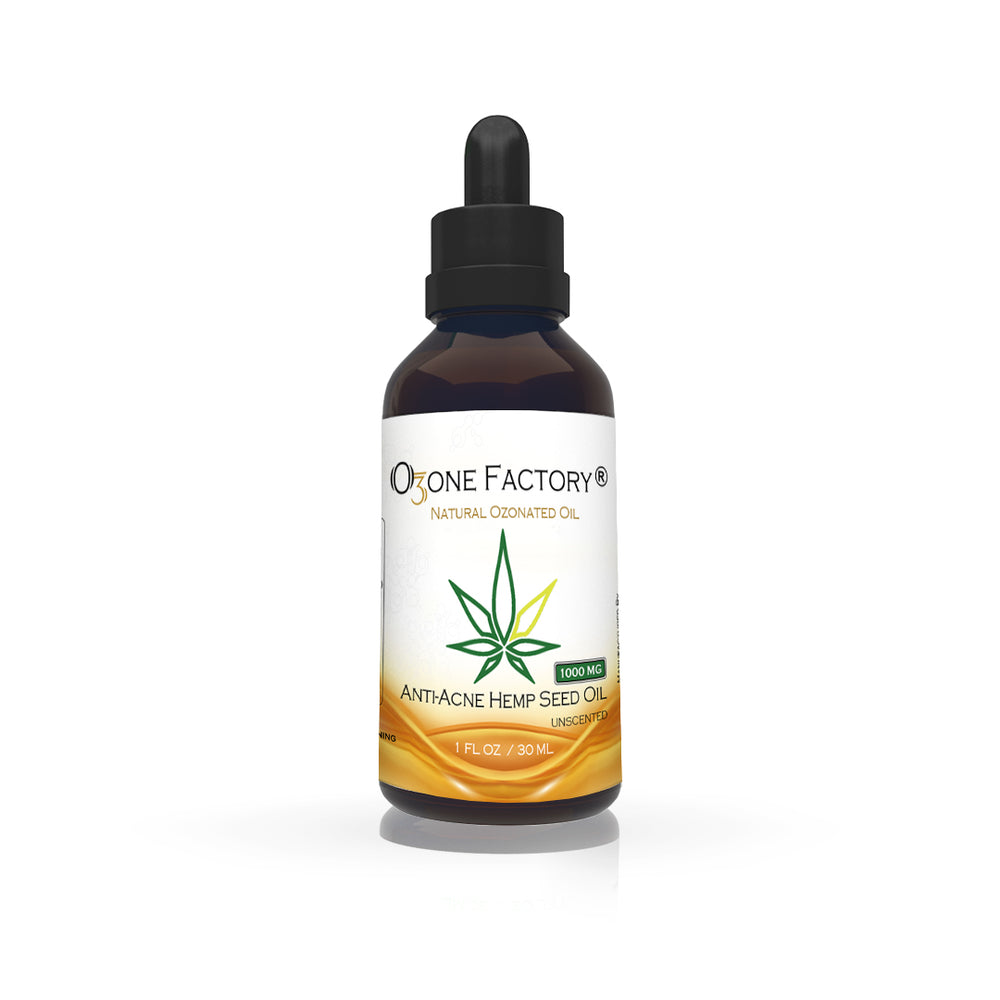


When people first hear about ozone in skincare, one of the most common questions is: if ozone gas can be toxic, how can ozonated oil be safe for the skin? This is an important and frequently misunderstood topic. The short answer is simple: ozone gas itself should not be used directly on the skin or inhaled, but when incorporated into a high-quality vegetable oil, it becomes a stable and safe topical formulation. Let’s explore the science behind this transformation.
What Is Ozone and Why Is It Used?
Ozone (O₃) is a highly reactive form of oxygen made up of three oxygen atoms. It is widely recognized for its powerful antimicrobial and oxidative properties, which is why it has been studied in dermatology, wound care, and cosmetic formulations. Its ability to interact with bacteria, fungi, and other microorganisms makes it valuable in products designed to support skin hygiene and regeneration. However, its reactivity is also the reason why ozone gas must be handled with care.

Why Ozone Gas Should Not Be Used Directly
In its gaseous form, ozone is highly unstable and potentially irritating to living tissues. The greatest concern is inhalation. Ozone gas may irritate the respiratory tract, causing:
- throat irritation
- coughing
- chest discomfort
- airway inflammation
For this reason, gaseous ozone is used only in controlled professional environments, with specialized devices and strict safety measures. It is not intended for direct home use as a gas.
How Ozonated Oil Works
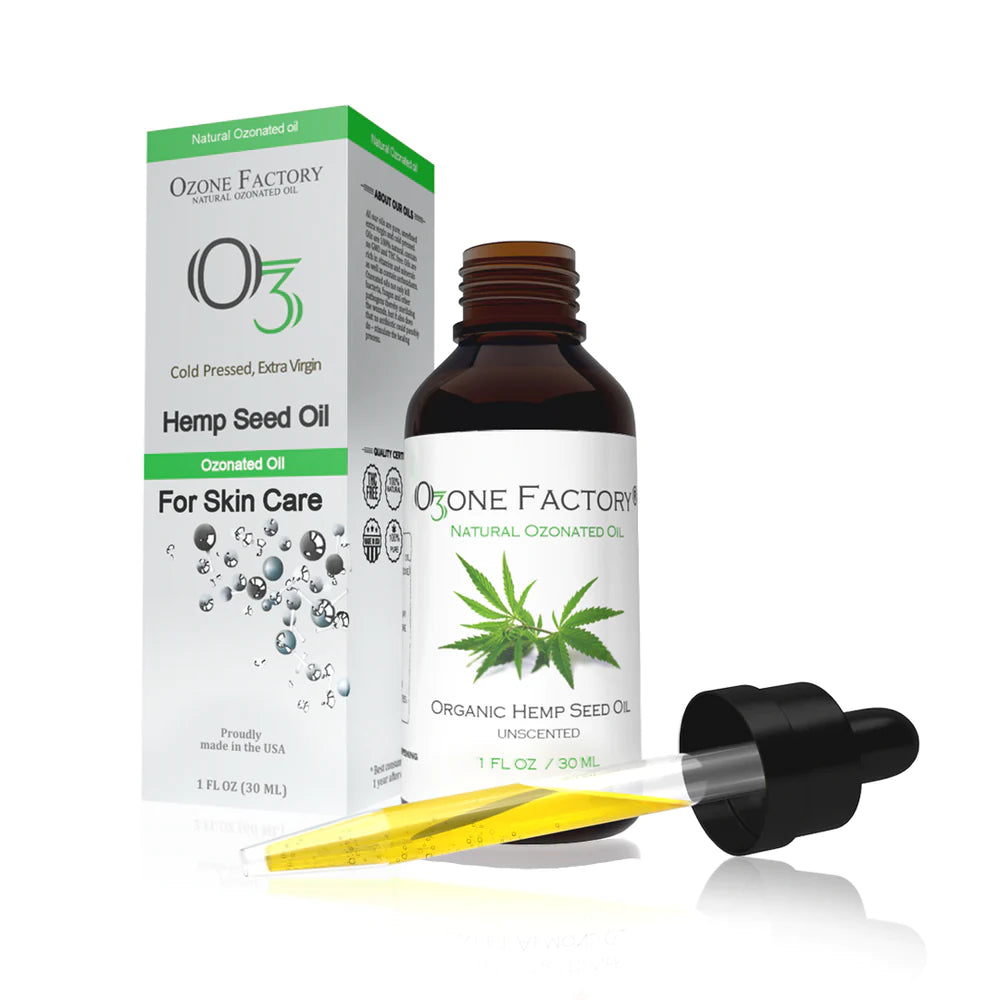
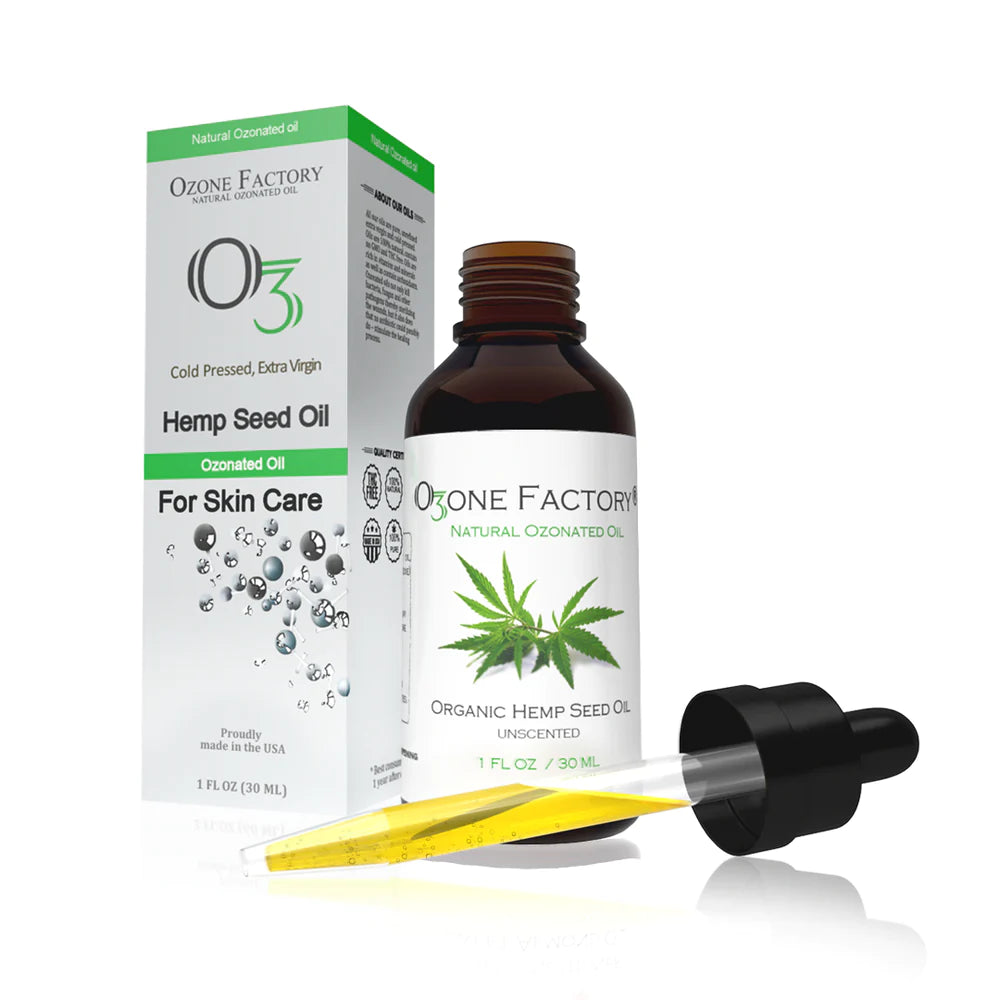
The breakthrough comes from transforming ozone into a stable oil-based carrier. When ozone is infused into oils rich in unsaturated fatty acids — such as olive oil, sunflower oil, or hemp seed oil — it reacts with the fatty acid double bonds and forms ozonides and peroxides. These stable compounds preserve the beneficial oxidative activity of ozone inside the oil.
Instead of exposing the skin to free ozone gas, the oil provides a slow and controlled release of active oxygen compounds directly on the skin surface. This makes ozonated oil both practical and safe for topical use.
Why Ozonated Oil Is Safe for the Skin
The main advantage of ozonated oil is its controlled delivery system.
The active oxygen species are stabilized inside the lipid structure of the oil, allowing gradual release upon application.
This supports:
- localized antimicrobial action
- skin barrier support
- reduced irritation compared with direct oxidizing exposure
- improved product stability
When manufactured according to strict quality standards, ozonated oils can be safely used in skincare routines.
They are often used for:
- acne-prone skin
- dry and irritated skin
- minor skin discomfort
- post-procedure support
- skin recovery care

The Importance of a High-Quality Formulation
The safety and performance of ozonated oil depend strongly on the quality of the production process.
Key factors include:
- premium base oil selection
- controlled ozonation time
- stable concentration of active compounds
- proper packaging and storage
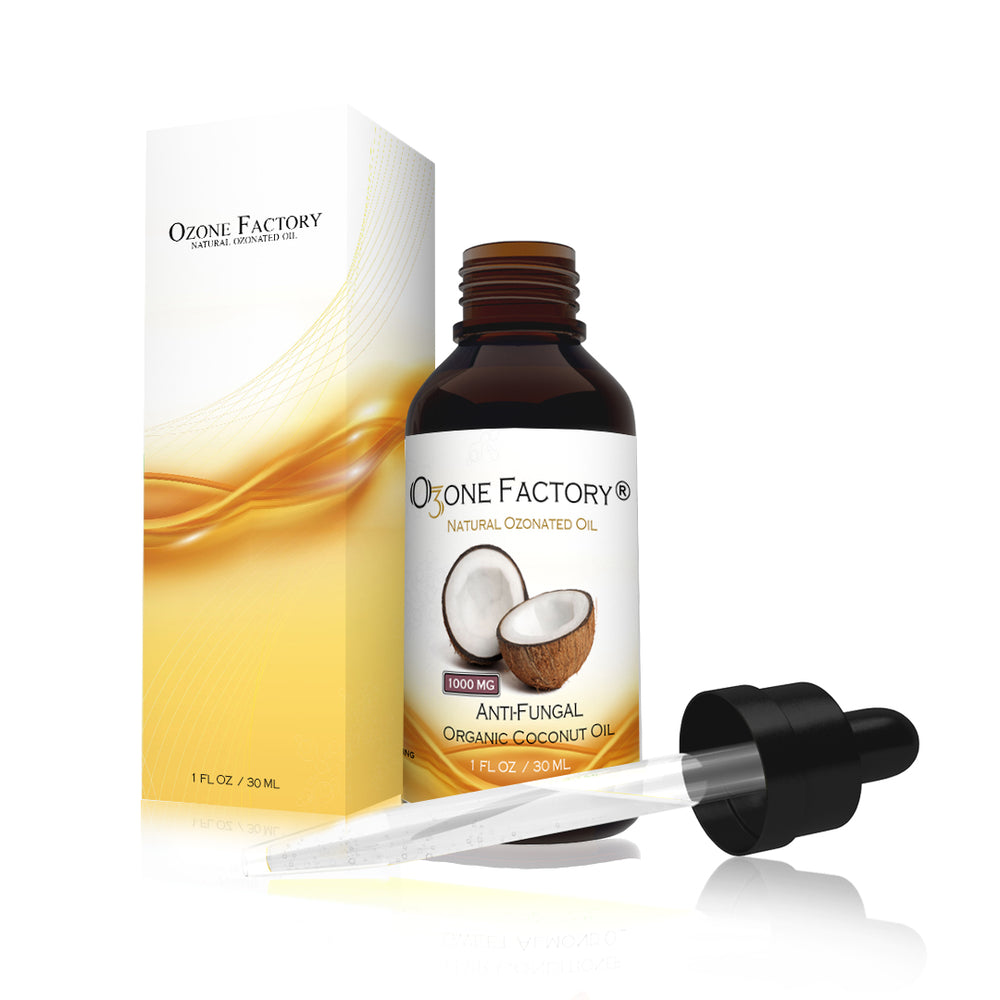
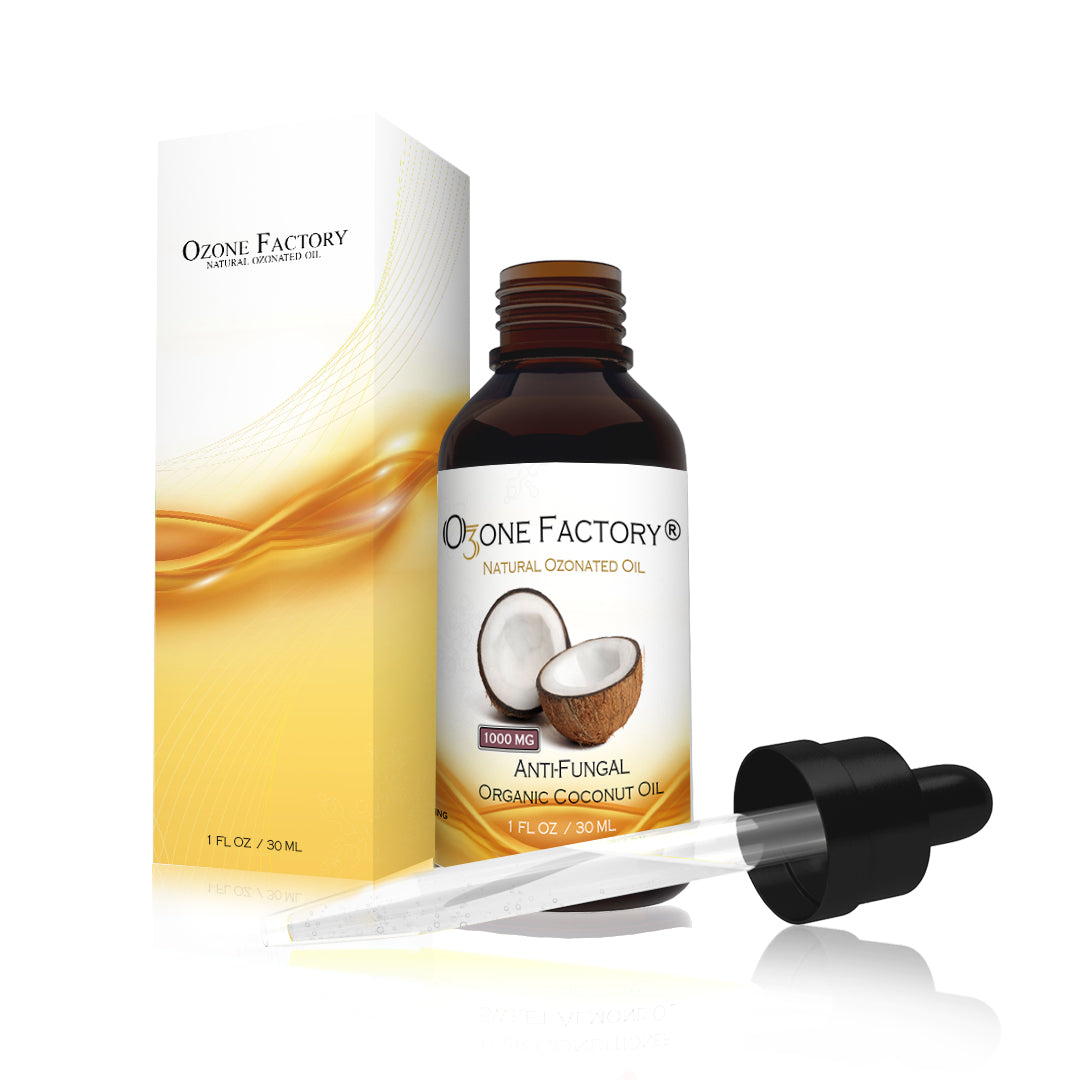
At Ozone Factory, we believe that quality starts with science. A properly formulated ozonated oil should maintain both stability and skin compatibility, offering reliable support for daily skincare.
Final Thoughts
Ozone gas and ozonated oil are not the same thing. While ozone gas itself can be harmful if used incorrectly, ozonated oil transforms its benefits into a stable, skin-safe form. In essence, the oil acts as a smart carrier, making it possible to bring the power of ozone safely from the laboratory to your skincare routine.