

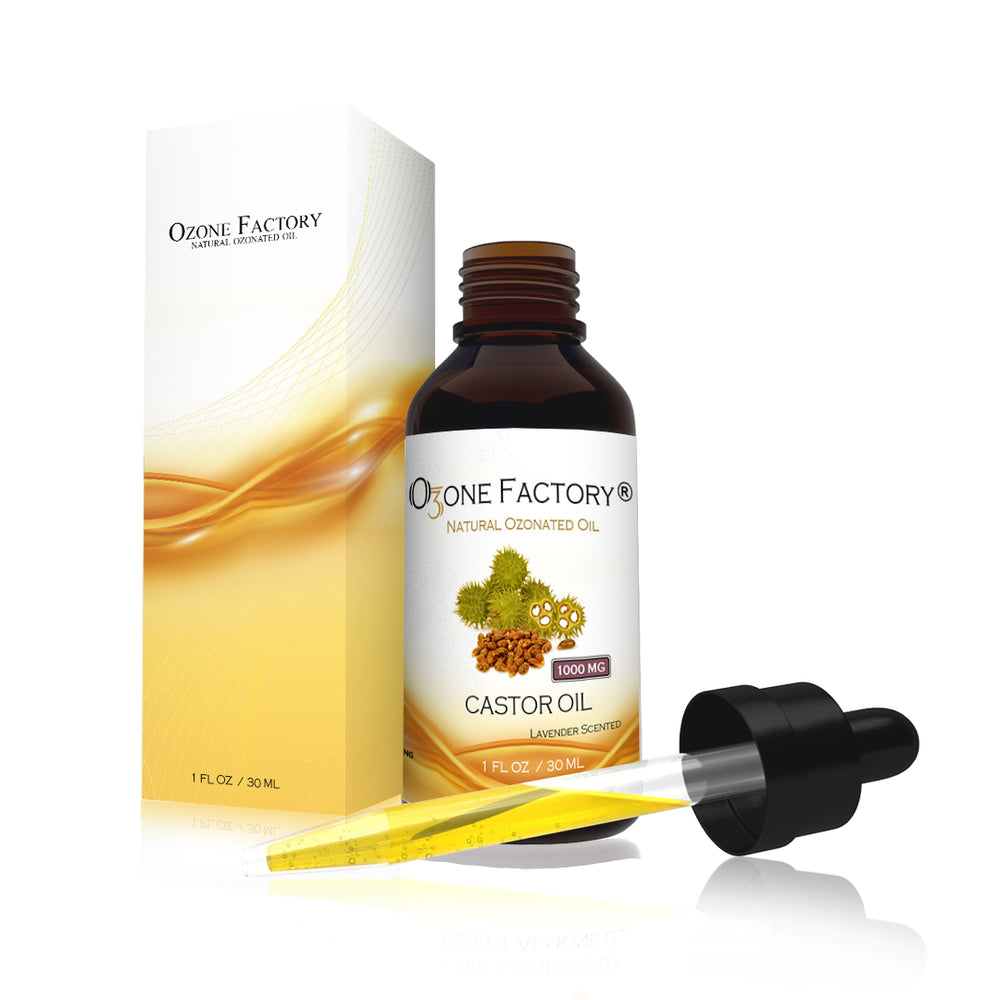
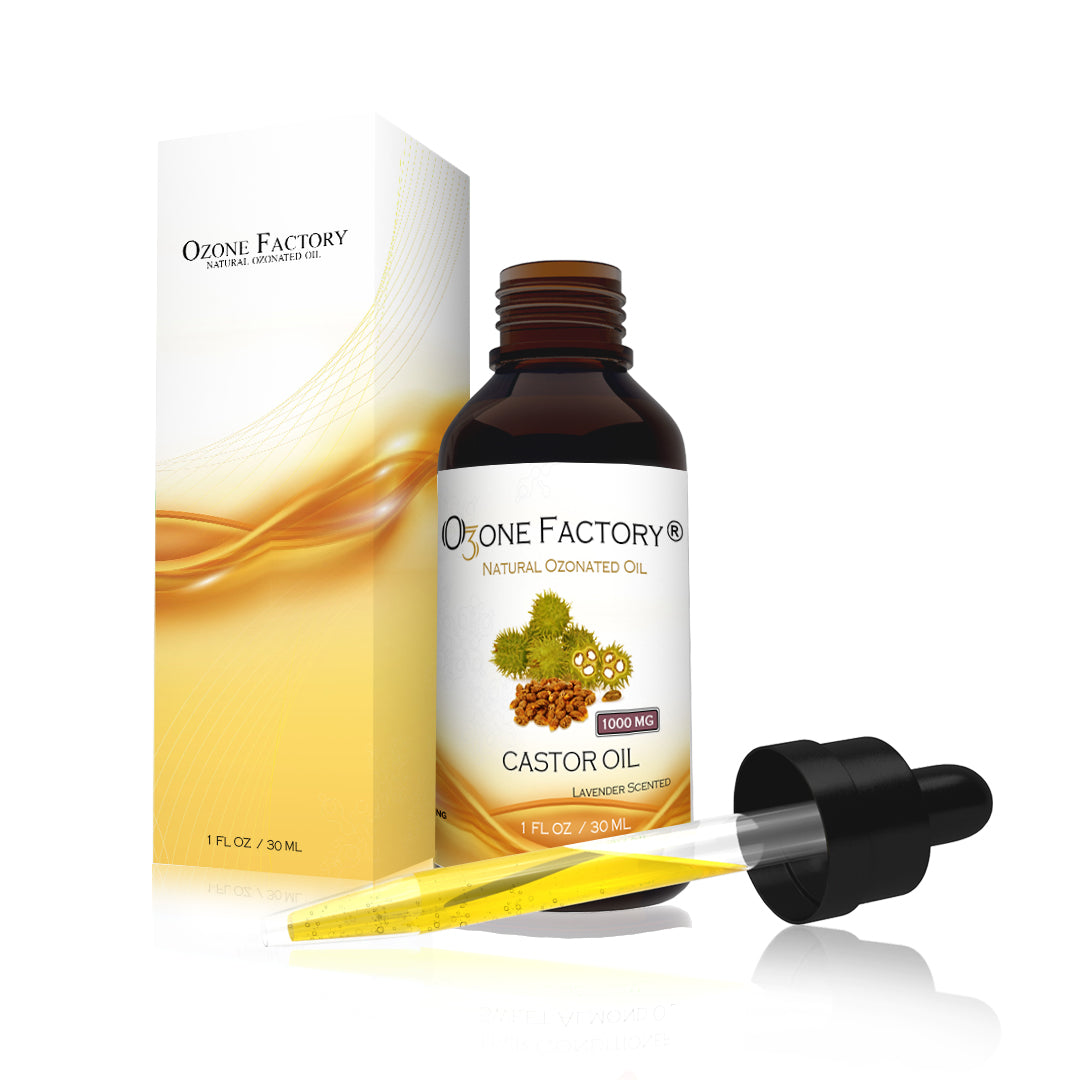
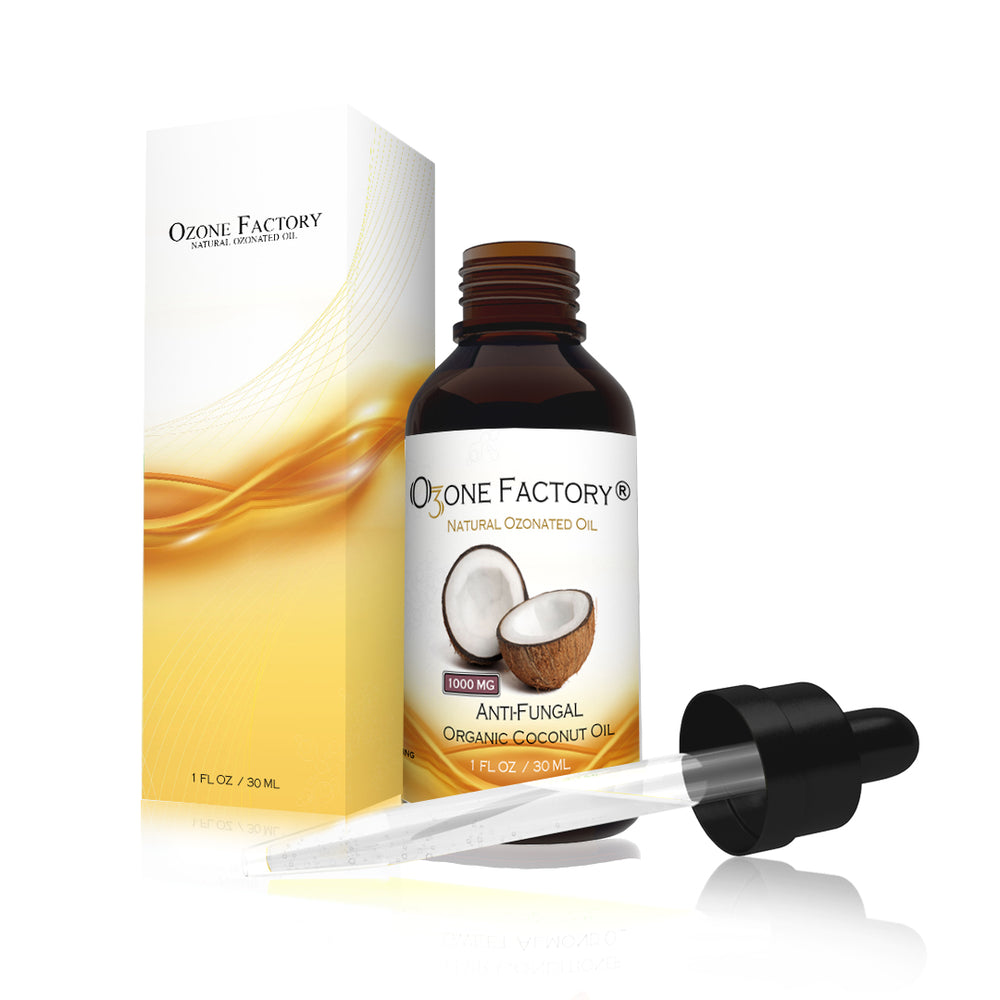
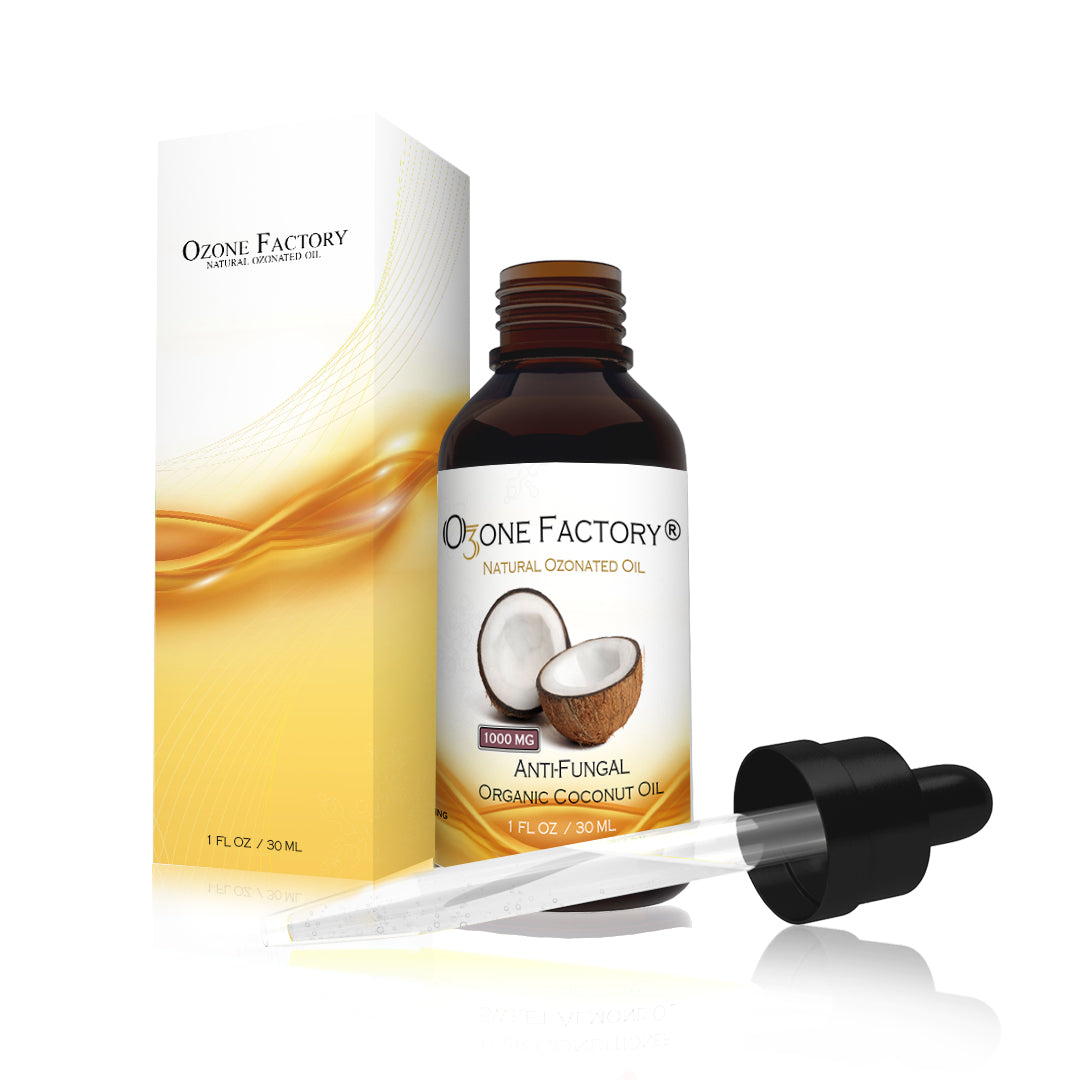


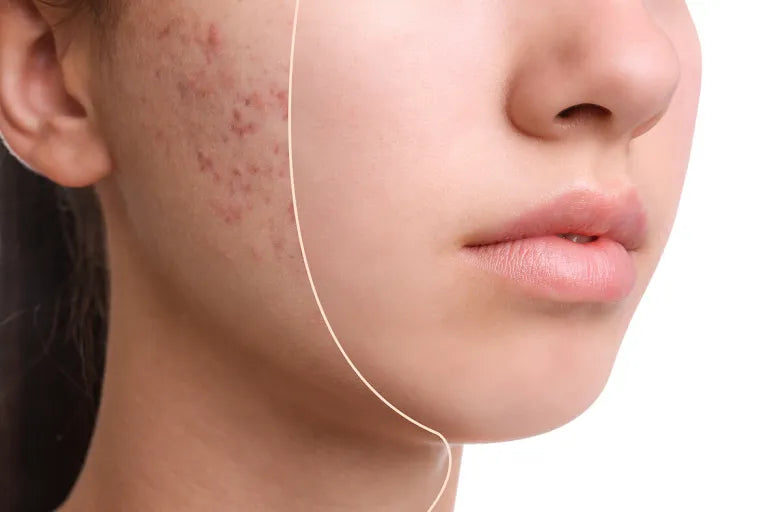
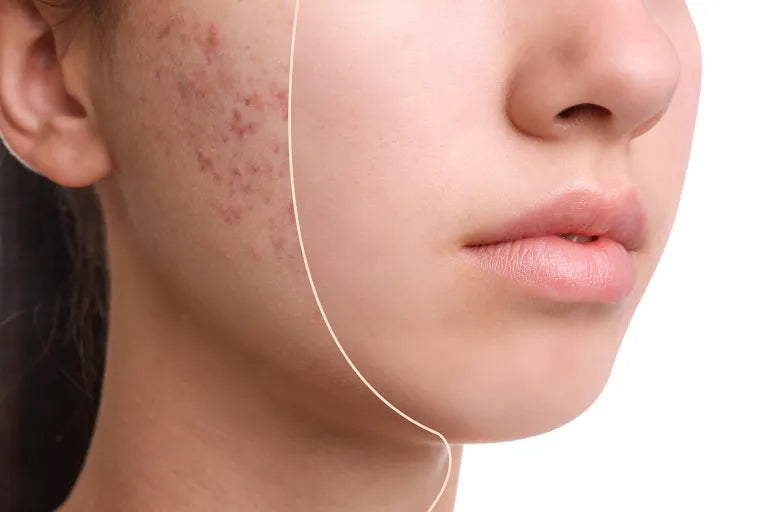
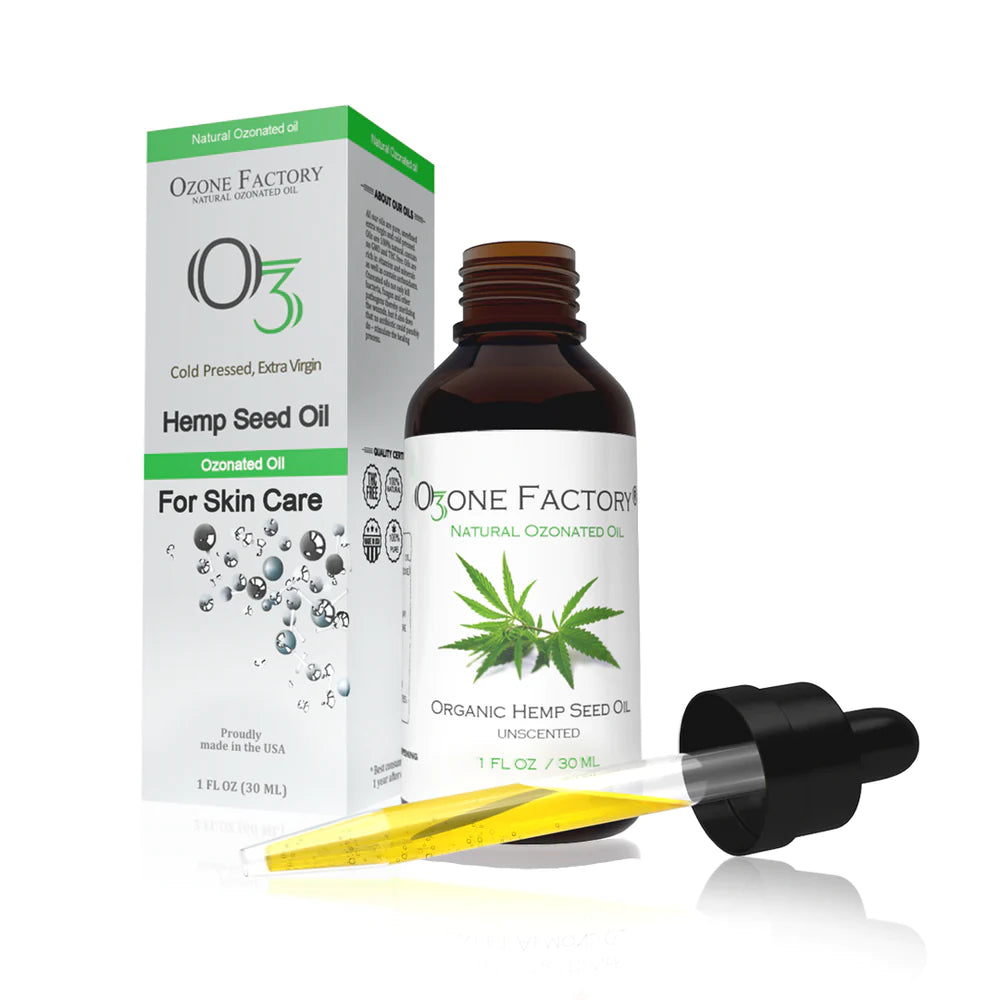
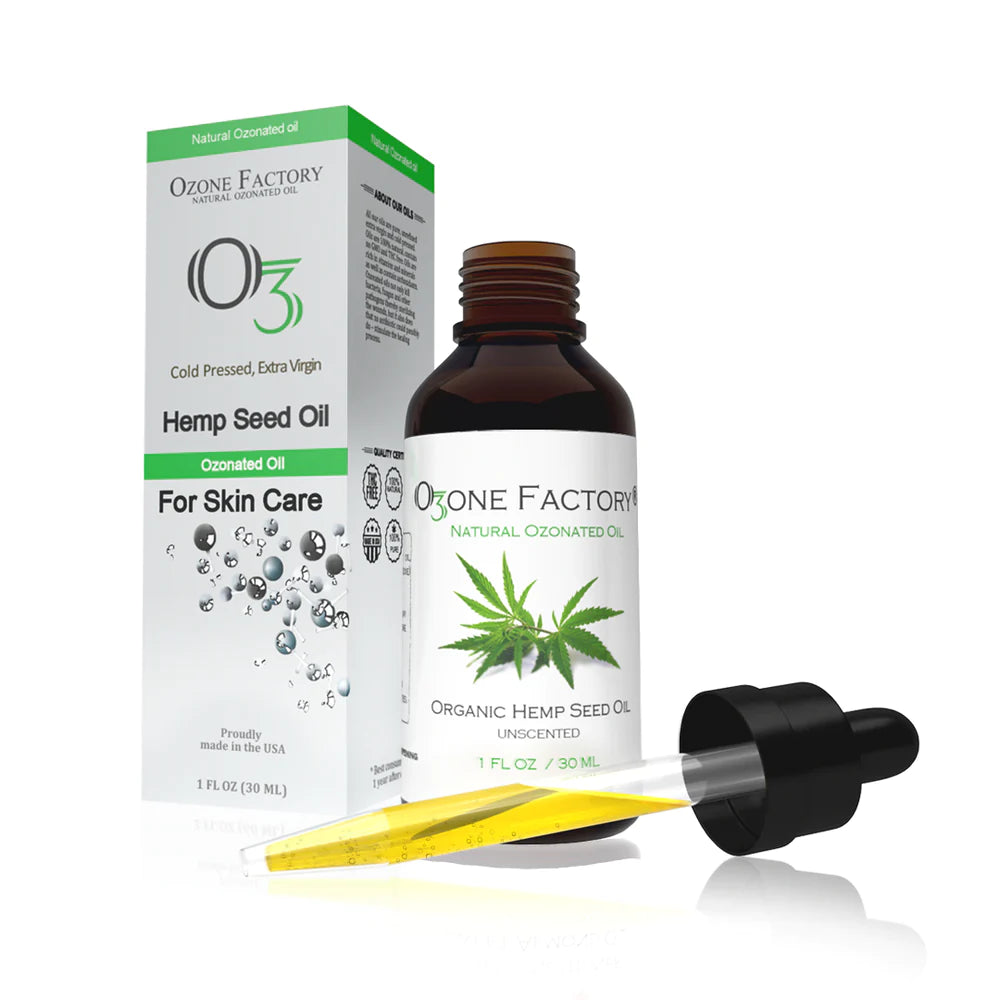
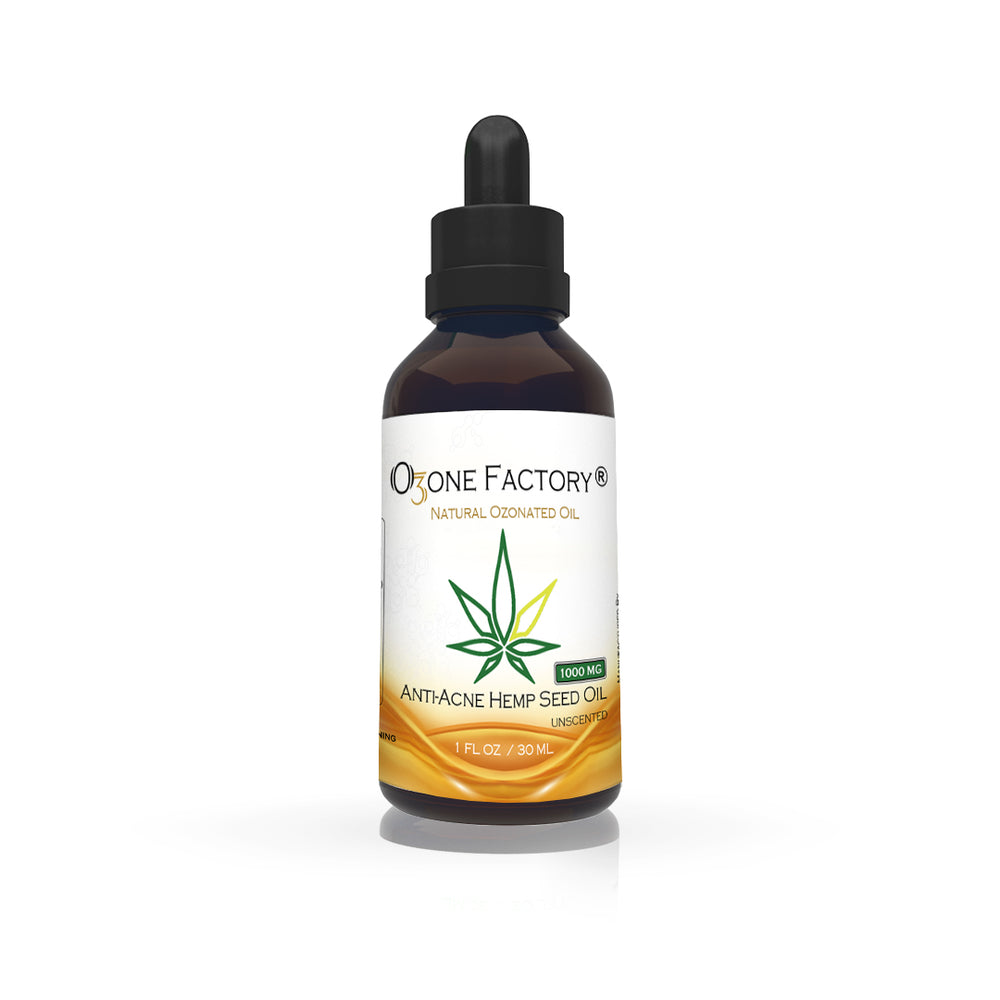


Post-incisional scars are an inevitable consequence of surgical procedures. Although modern surgical techniques aim to minimize tissue trauma, the healing process can still result in visible scars that may affect both function and aesthetics. Appropriate postoperative care plays a critical role in optimizing scar quality. Among the emerging topical approaches, ozonated oils have gained attention due to their regenerative, antimicrobial, and anti-inflammatory properties.
Understanding Post-Incisional Scars
Wound healing typically occurs in three overlapping phases:
- Inflammatory Phase. This phase begins immediately after the surgical incision. Blood clotting occurs rapidly to stop bleeding, and immune cells migrate to the wound site to remove debris and prevent infection. Inflammation during this stage is a normal and necessary component of healing, but excessive inflammation may interfere with tissue repair and increase the risk of abnormal scarring.
- Proliferative Phase. During this phase, fibroblasts become highly active and begin producing collagen and other extracellular matrix components that form the structural framework of the new tissue. At the same time, angiogenesis (formation of new blood vessels) occurs to supply oxygen and nutrients to the healing area. Keratinocytes migrate across the wound surface to restore the epidermal barrier through a process known as epithelialization.
- Remodeling Phase. The final stage of healing can last for several months. During this period, collagen fibers reorganize and become stronger, while excess cells and blood vessels are gradually removed. The scar becomes flatter, softer, and less red as the tissue matures. However, if healing is disrupted by infection, prolonged inflammation, mechanical stress, or poor oxygen supply, the scar may develop into a hypertrophic or thickened form. Proper scar care during the remodeling phase can significantly influence the final cosmetic and functional outcome.
Ozonated Oils and Their Role in Supporting Scar Healing
The beneficial role of ozonated oils in scar care is based on several biological mechanisms that support different stages of the wound-healing process.
-
Antimicrobial Protection. One of the most well-known properties of ozone is its strong antimicrobial activity. Ozonated oils demonstrate effectiveness against a wide range of microorganisms, including Gram-positive and Gram-negative bacteria, fungi, and certain viruses.
This antimicrobial action helps maintain a clean environment around the healing incision site. By reducing microbial colonization, ozonated oils can help decrease the risk of secondary infection—an important factor that can delay wound healing and lead to more pronounced scarring.
A clean and protected wound environment supports uninterrupted tissue regeneration and allows the body’s natural repair mechanisms to function more efficiently. -
Improved Oxygen Supply. Adequate oxygen levels are essential for effective wound healing. Oxygen supports multiple physiological processes, including cellular metabolism, collagen production, immune cell activity, and angiogenesis.
Ozone-derived compounds present in ozonated oils can stimulate local oxygen metabolism and microcirculation, improving oxygen delivery to the skin and underlying tissues. Enhanced oxygen availability helps activate fibroblasts, the cells responsible for producing collagen and connective tissue components necessary for strong and flexible scar formation. Improved microcirculation also contributes to better nutrient delivery and waste removal in the healing tissue. -
Anti-Inflammatory Action. Inflammation is an essential early step in the healing process, but excessive or prolonged inflammation can damage surrounding tissues and contribute to abnormal scar formation.
Ozonated oils appear to help regulate inflammatory responses, allowing the body to maintain an optimal balance between immune defense and tissue repair. By moderating inflammatory mediators, these oils may reduce redness, swelling, and irritation around the scar area.
Maintaining a controlled inflammatory environment is particularly important in preventing the formation of hypertrophic scars or excessive fibrotic tissue. -
Stimulation of Tissue Regeneration. Reactive oxygen species released from ozonated oils can activate cellular signaling pathways that stimulate growth factor production and tissue regeneration.
These processes support several aspects of skin repair, including:
- increased fibroblast proliferation
- enhanced collagen synthesis
- faster epithelialization
- improved extracellular matrix organization
Through these mechanisms, ozonated oils may contribute to more efficient skin regeneration and improved structural integrity of the healed tissue.
Skin Hydration and Barrier Support. Another important benefit of ozonated oils comes from their base composition as natural vegetable oils. These oils provide emollient and moisturizing effects, which help maintain the skin’s natural barrier function.
Proper hydration of the scar tissue helps maintain skin elasticity and reduces stiffness during the remodeling phase. Hydrated skin tends to develop softer, more flexible scars that are less noticeable over time.
Maintaining an intact skin barrier also protects the healing tissue from environmental irritants and excessive water loss.

Practical Use in Post-Incisional Scar Care
Ozonated oils are typically introduced into the scar care routine after the surgical wound has fully closed and epithelialization has occurred, unless a healthcare professional recommends otherwise.
The application process is simple and can be easily incorporated into daily skincare routines.
Typical recommendations include:
- Frequency: apply 1–2 times per day
- Application method: gently massage a small amount of oil into clean, dry skin around the scar
- Duration of use: several weeks to several months, depending on scar maturation
Gentle massage during application may further improve scar quality by promoting collagen fiber alignment and improving local circulation. Over time, this can contribute to softer and more flexible scar tissue.
Consistency is important, as scar remodeling can continue for six months to one year after surgery.
Potential Benefits for Surgical Scars
Regular use of ozonated oils during the scar maturation period may contribute to several visible improvements, including:
- improved elasticity and flexibility of scar tissue
- reduction in redness and localized inflammation
- smoother skin texture
- decreased feeling of tightness or discomfort
- improved overall cosmetic appearance
These benefits can be particularly valuable for scars located in areas where the skin is frequently stretched, such as the abdomen, joints, or chest.
In aesthetic and reconstructive surgery, maintaining healthy scar development is an important component of achieving optimal long-term results.
Safety Considerations
Ozonated oils are generally well tolerated when produced under controlled conditions. However, several precautions should be observed:
- use only high-quality, properly ozonated oils
- avoid application on open or infected wounds unless medically advised
- perform a patch test if the skin is sensitive
- discontinue use if irritation occurs.
Conclusion
Post-incisional scar management plays an important role in the overall recovery process following surgery. While scars cannot be completely avoided, appropriate postoperative care can significantly improve their appearance and texture.
Due to their antimicrobial, oxygen-supporting, anti-inflammatory, and regenerative properties, ozonated oils represent a promising complementary approach for scar care. By supporting the natural healing process and maintaining a healthy skin environment, these oils may help promote more organized tissue repair and better cosmetic outcomes.