

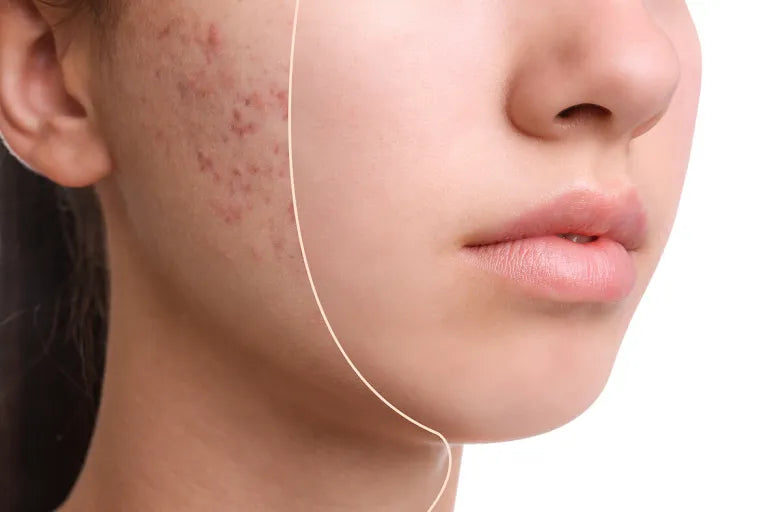
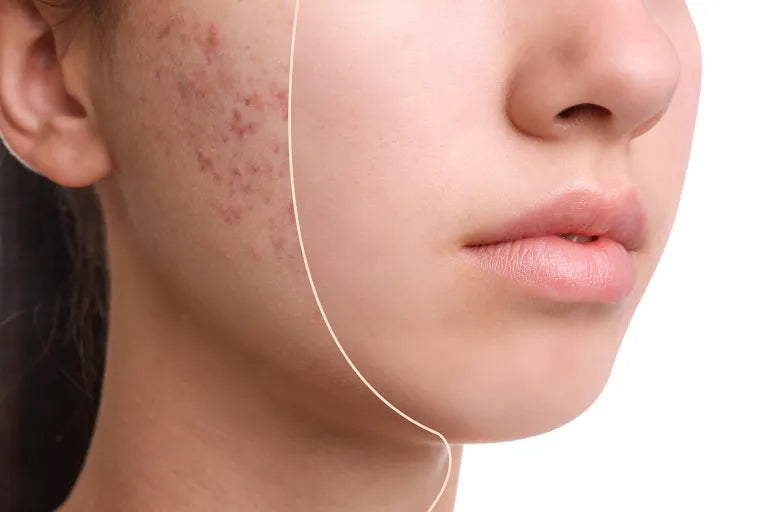


Beard dandruff is a frequent dermatological concern affecting men with facial hair. It is characterized by white or yellowish flakes, itching, irritation, and sometimes redness of the skin beneath the beard. Although often perceived as a cosmetic inconvenience, beard dandruff may reflect underlying scalp and skin conditions that require appropriate care.
What Causes Beard Dandruff?
Beard dandruff develops when the skin beneath the beard becomes dry, irritated, or imbalanced. Several factors contribute to this condition:
- Seborrheic dermatitis, a common inflammatory skin disorder associated with excessive sebum production and yeast overgrowth (Malassezia species)
- Dry skin, particularly in cold or low-humidity environments
- Poor beard hygiene, leading to accumulation of dead skin cells
- Use of harsh cleansers or soaps that disrupt the skin barrier
- Microbial imbalance, including fungal and bacterial proliferation
- Inadequate hydration and nutrition
The presence of facial hair may worsen symptoms by trapping moisture, microorganisms, and exfoliated skin, creating an environment conducive to inflammation and flaking.
Conventional Management Approaches
Traditional treatments for beard dandruff include antifungal shampoos, mild exfoliants, moisturizing oils, and topical corticosteroids in more severe cases. However, long-term use of some conventional products may lead to skin irritation, resistance, or disruption of the natural skin microbiome. This has driven interest in alternative and complementary approaches, such as ozonated oils.

What Are Ozonated Oils?
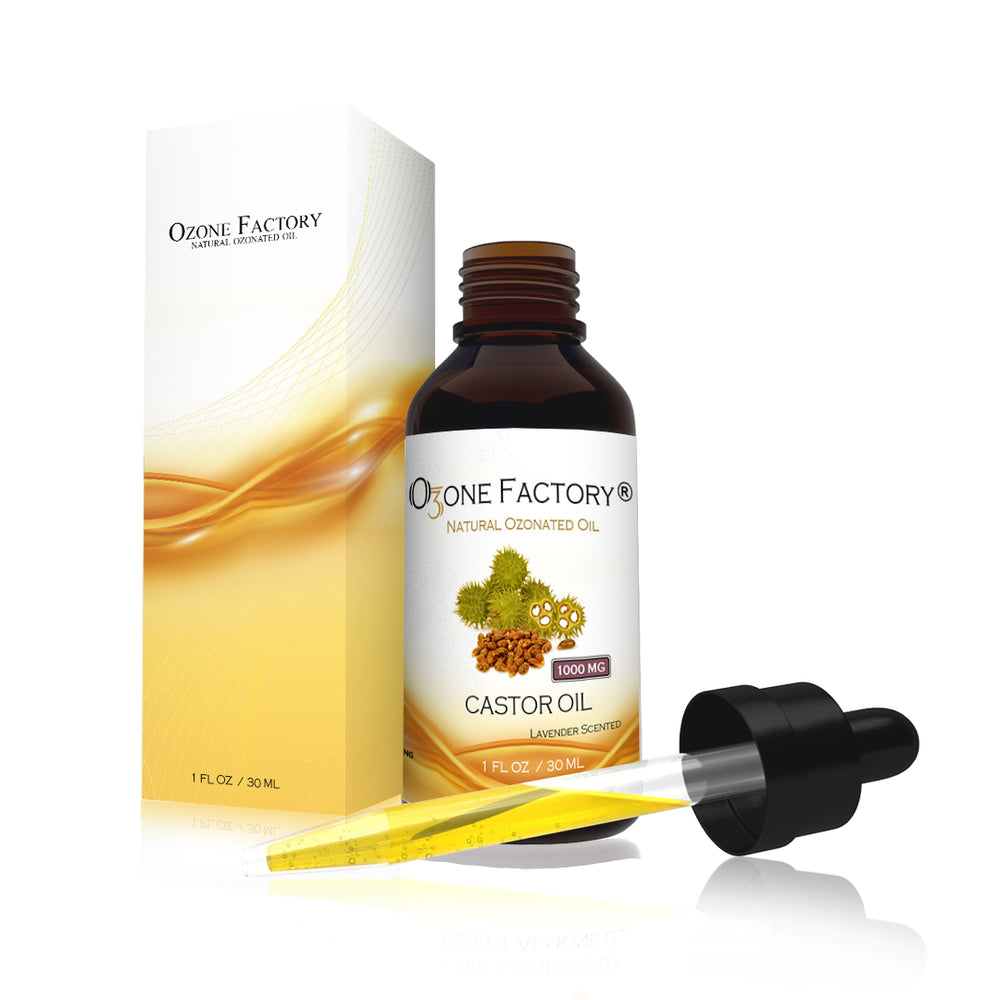
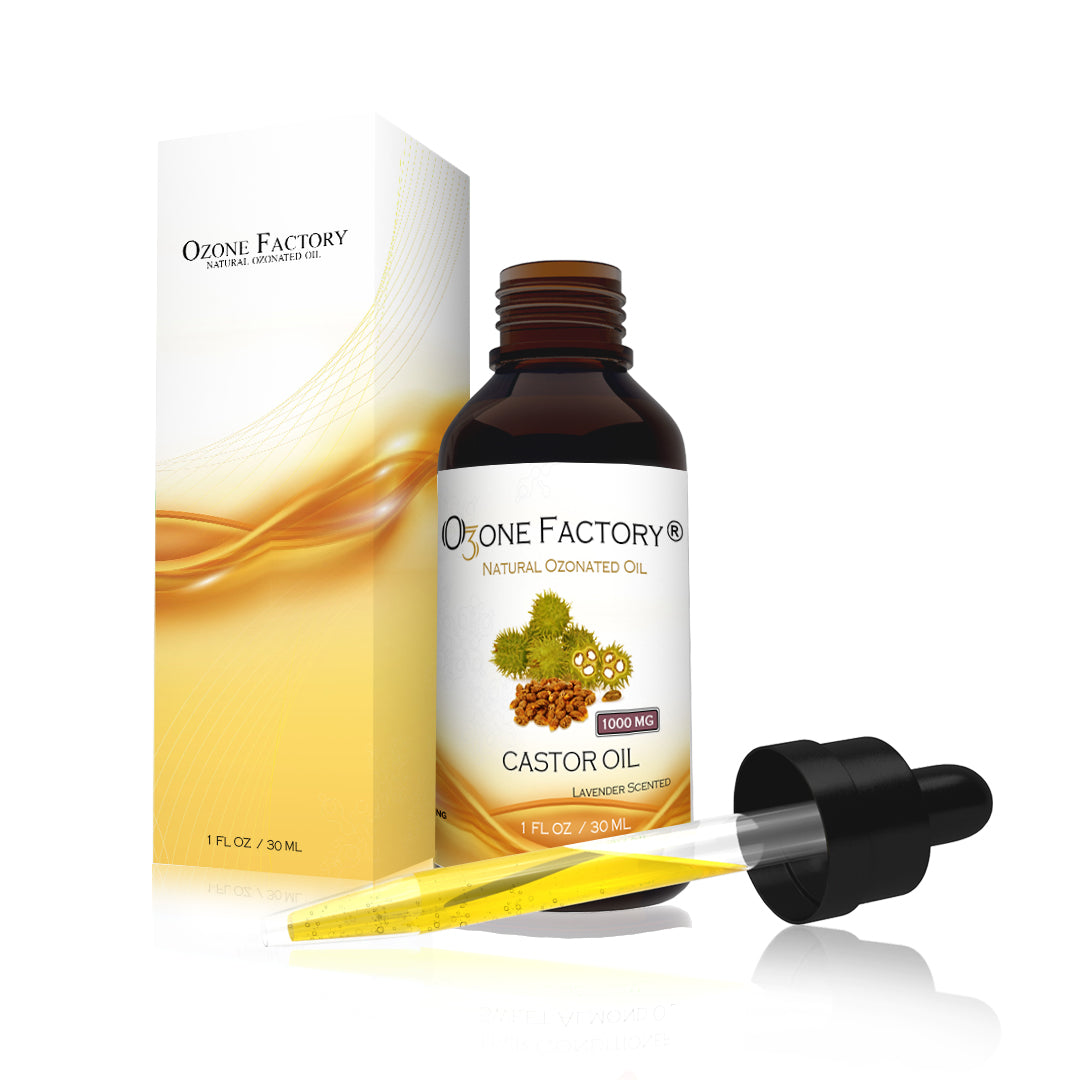
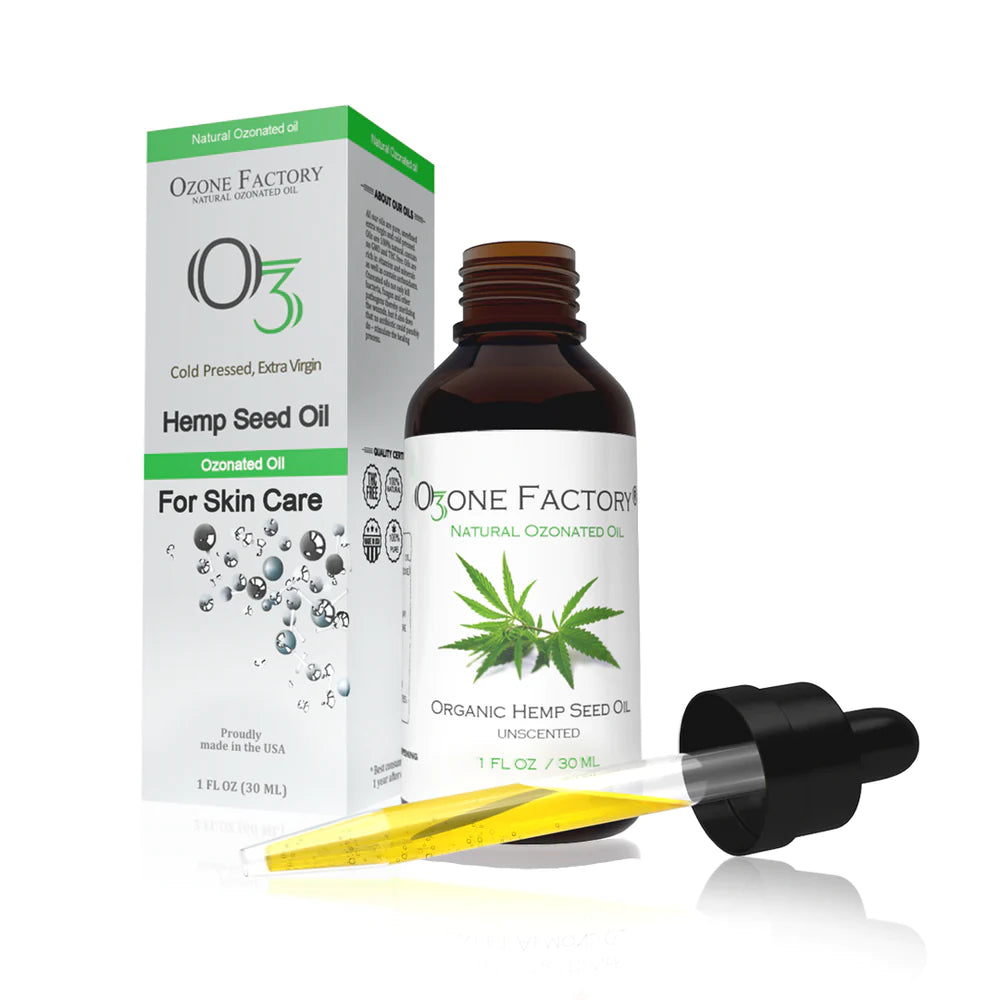
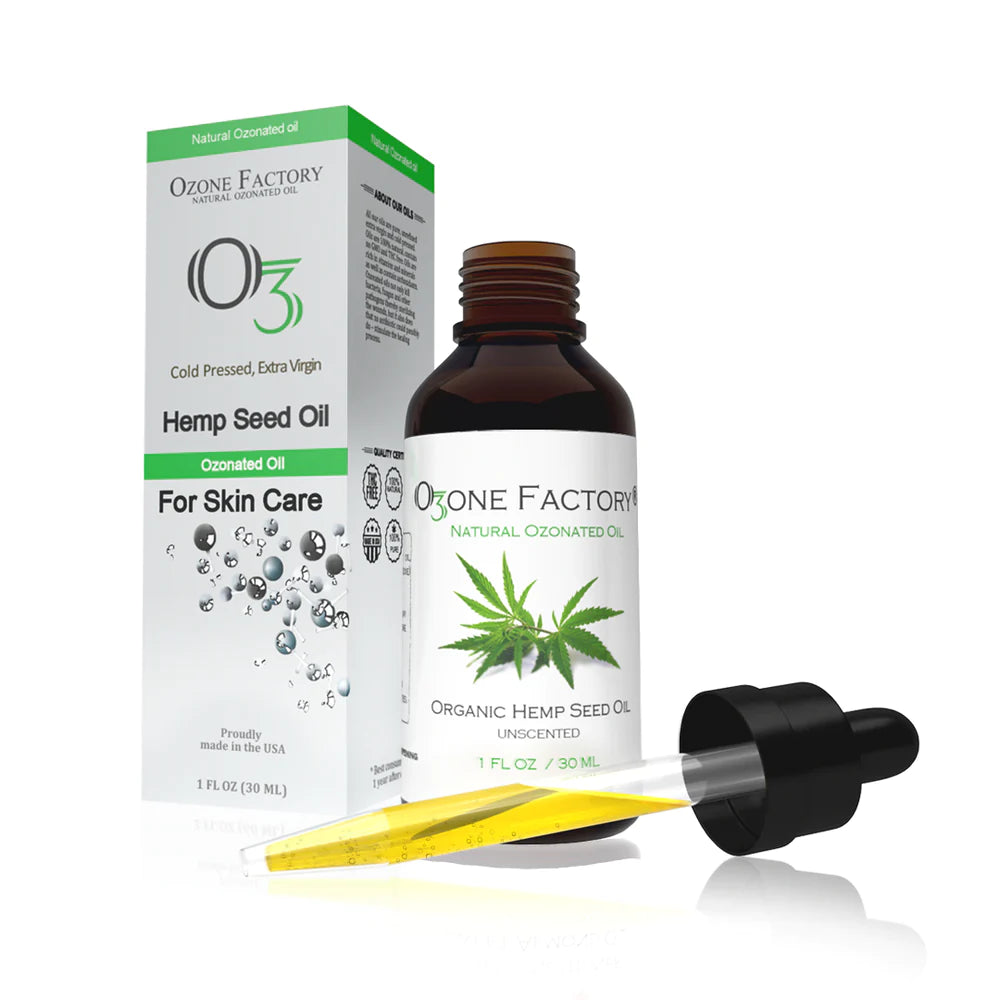
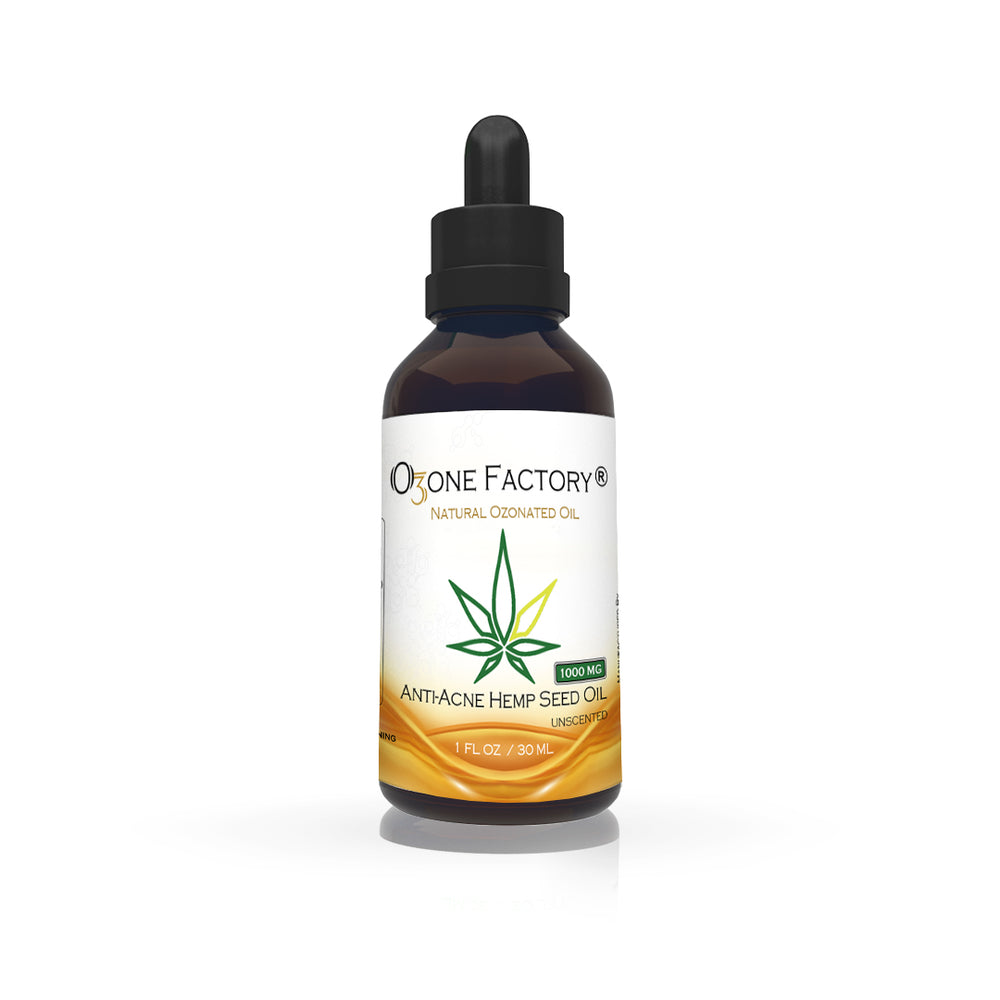
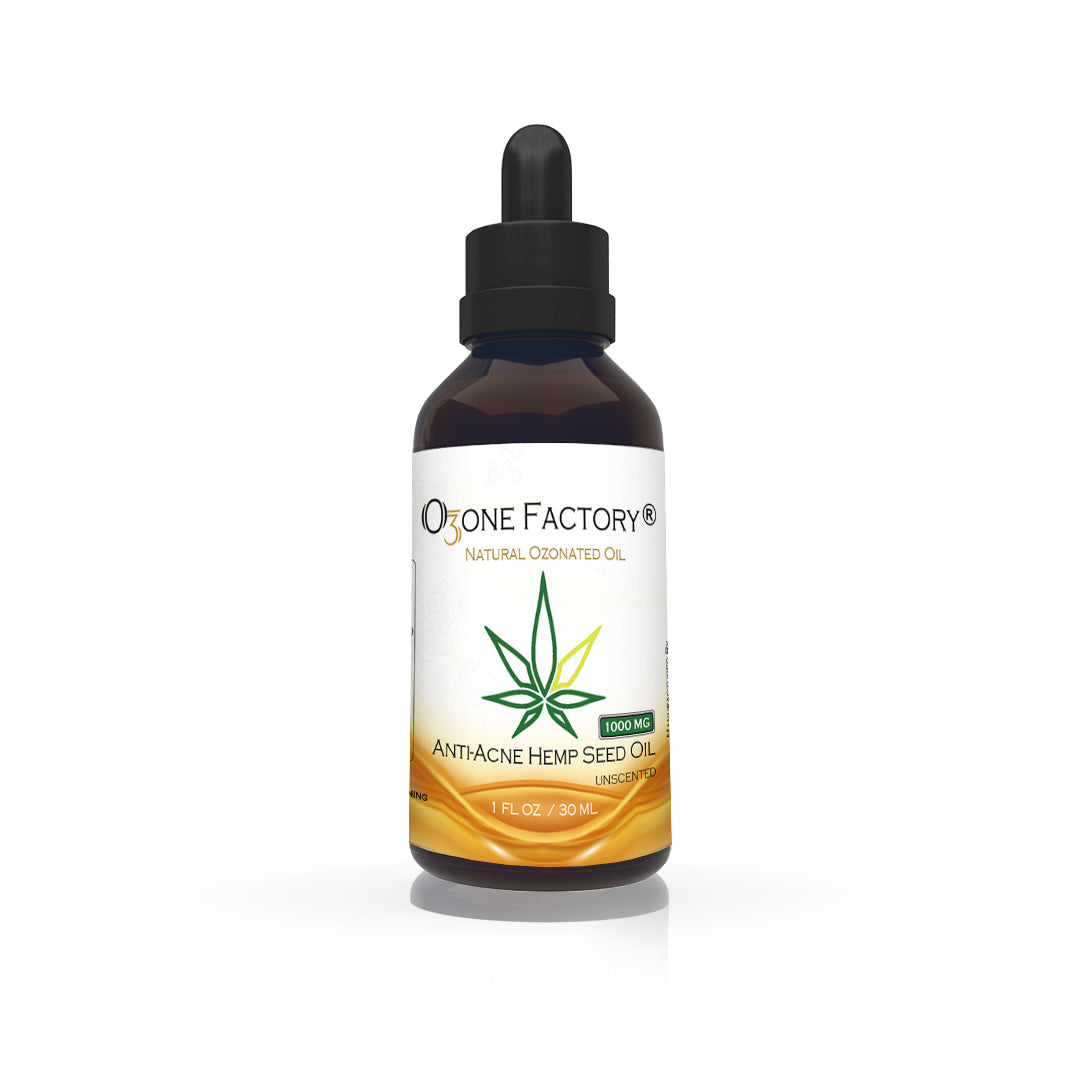
Ozonated oils are vegetable oils (such as olive, sunflower, or hemp oil) infused with ozone . During the ozonation process, ozone reacts with unsaturated fatty acids, forming ozonides and peroxides that confer unique biological properties. These compounds are responsible for the therapeutic effects of ozonated oils when applied topically.
Mechanisms of Action in Beard Dandruff
Ozonated oils may be beneficial in beard dandruff through several mechanisms:
1. Antimicrobial Activity
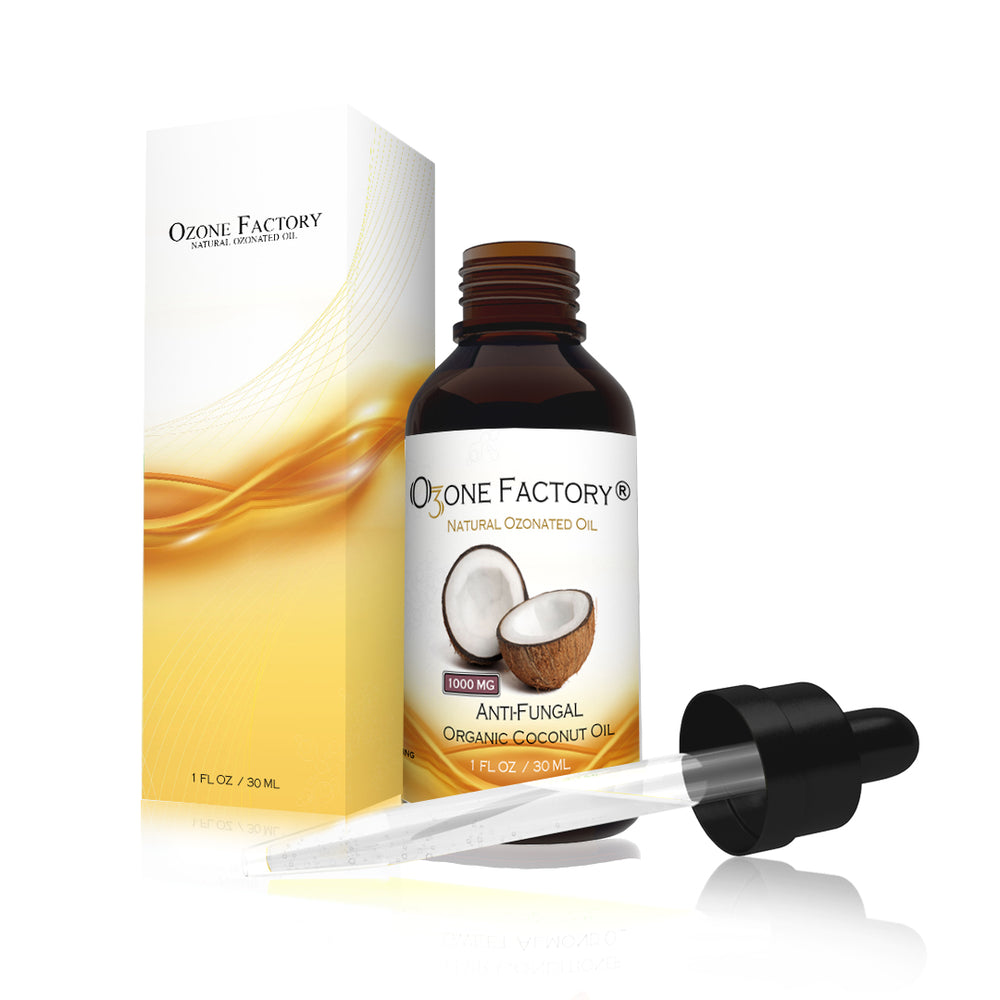
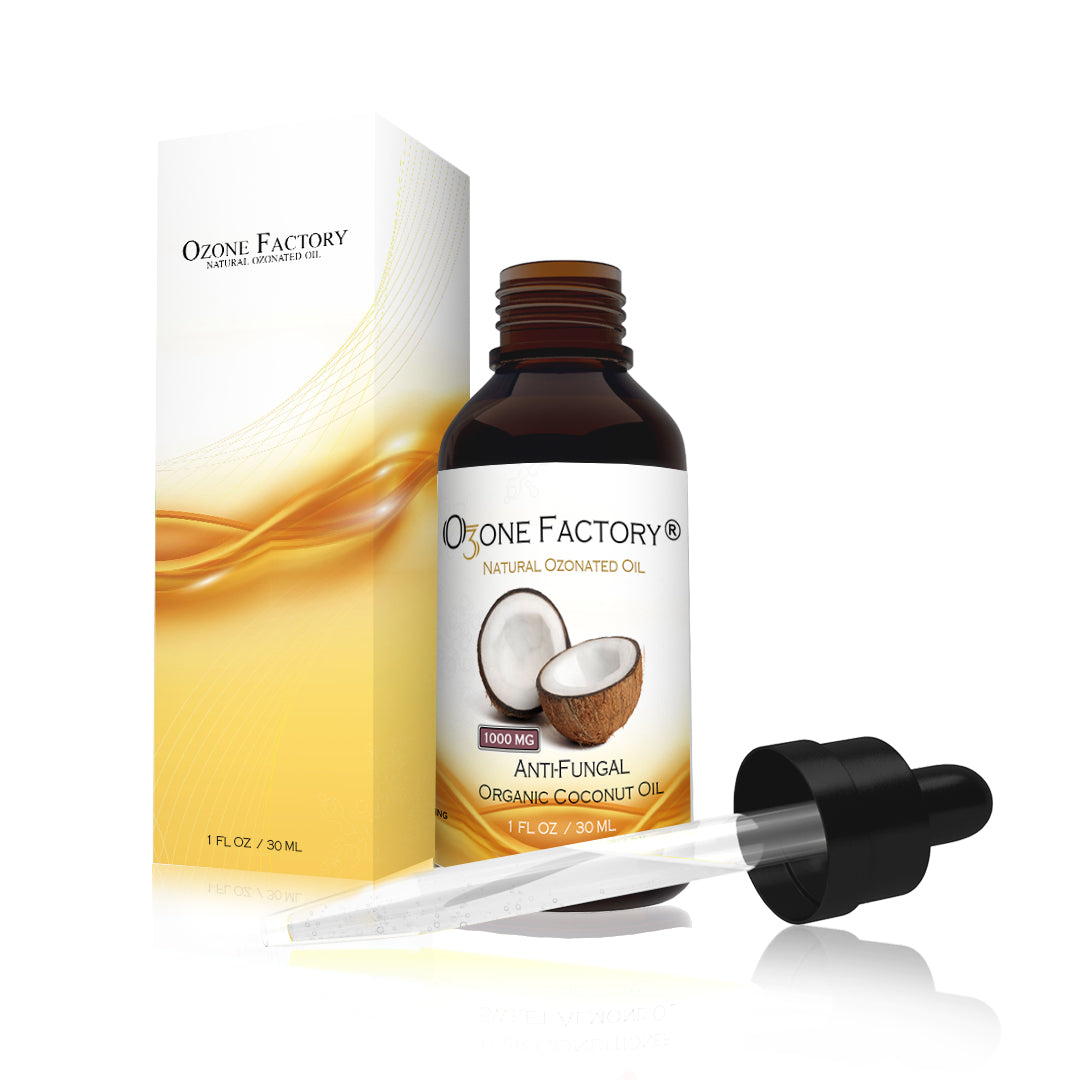
Ozonated oils exhibit broad-spectrum antimicrobial effects against bacteria, fungi, and yeasts, including Malassezia, a key microorganism implicated in seborrheic dermatitis. This helps restore microbial balance without the use of aggressive antifungal agents.
2. Anti-Inflammatory Effects
By reducing local inflammation and oxidative stress, ozonated oils can alleviate itching, redness, and discomfort commonly associated with beard dandruff.
3. Skin Barrier Repair
Ozonated oils stimulate local oxygen metabolism and promote skin regeneration. They support the restoration of the epidermal barrier, improving hydration and reducing transepidermal water loss.
4. Sebum Regulation
Through their modulatory effects on skin metabolism, ozonated oils may help normalize excessive sebum production, a key factor in seborrheic dermatitis.
Application and Use
For beard dandruff management, ozonated oils can be applied directly to the skin beneath the beard:
- Cleanse the beard with a mild, sulfate-free cleanser
- Apply a small amount of ozonated oil to the fingertips
- Gently massage into the skin under the beard, ensuring even distribution
- Leave on for 15–30 minutes or overnight, depending on tolerance
- Use 2–4 times per week or as recommended
It is important to use high-quality, properly ozonated oils and to perform a patch test before regular use.

Safety and Tolerability
Topical ozonated oils are generally well tolerated when used appropriately. Mild tingling or warmth may occur initially due to increased local circulation. However, excessive or improperly ozonated products may cause irritation. Individuals with sensitive skin should start with low-frequency application.
Conclusion
Beard dandruff is a multifactorial condition that requires a comprehensive approach addressing hygiene, skin barrier integrity, and microbial balance. Ozonated oils represent a promising natural adjunct in beard care, offering antimicrobial, anti-inflammatory, and regenerative benefits. When integrated into a consistent grooming routine, they may help reduce flakes, soothe irritation, and promote healthier skin beneath the beard.