

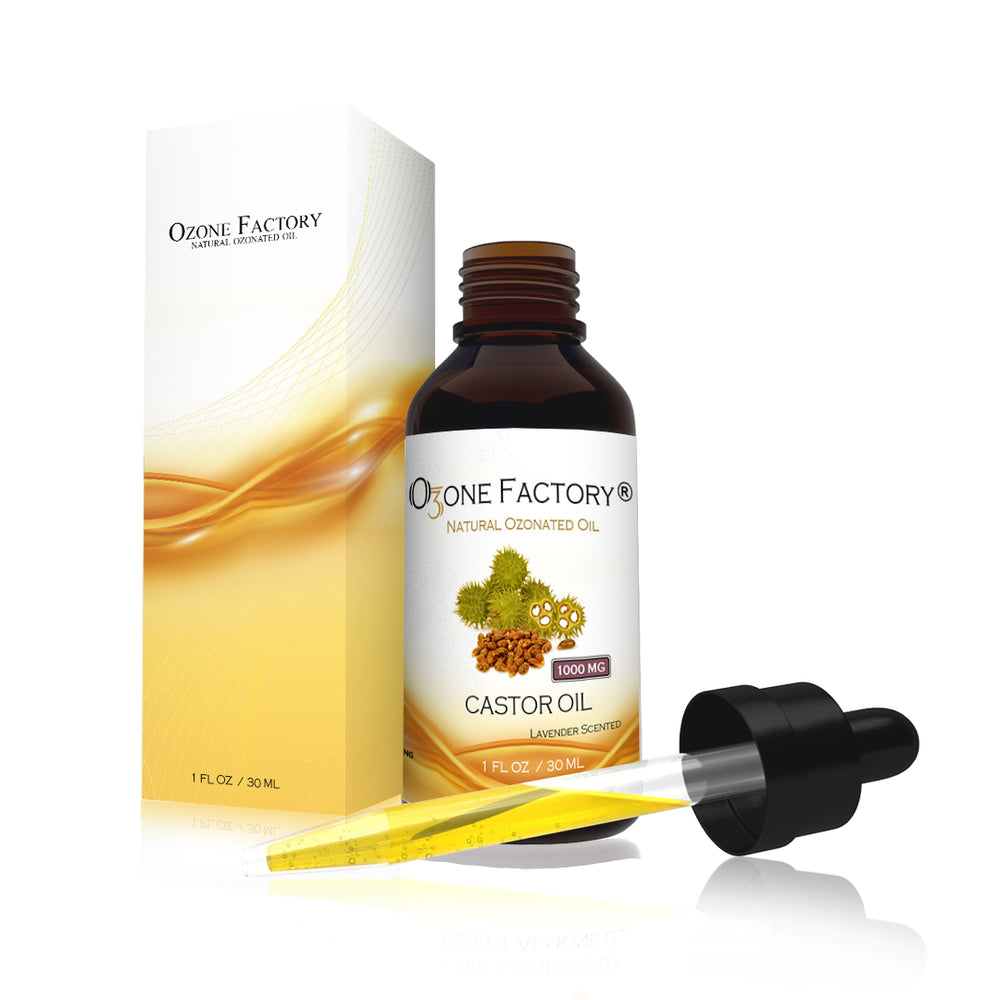
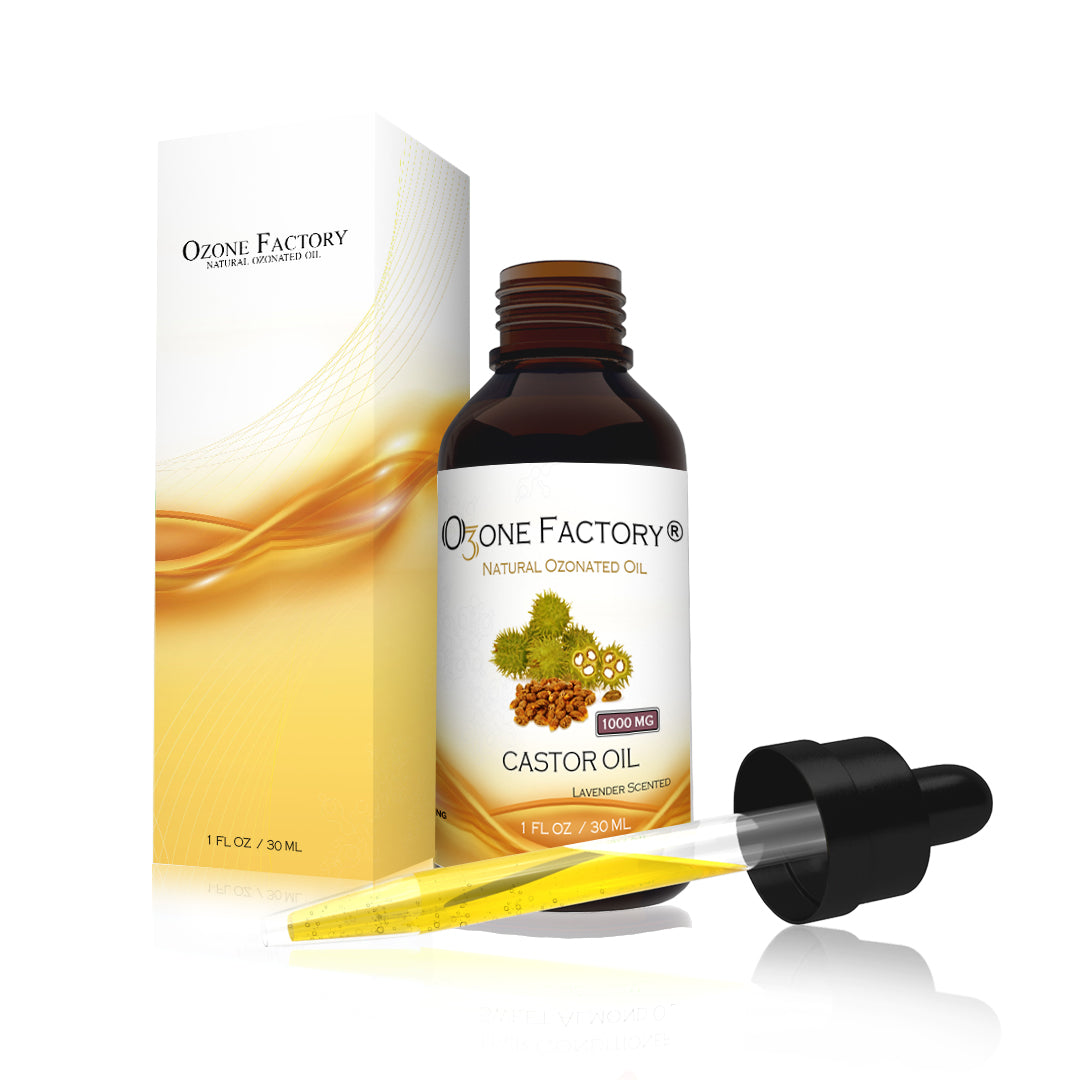
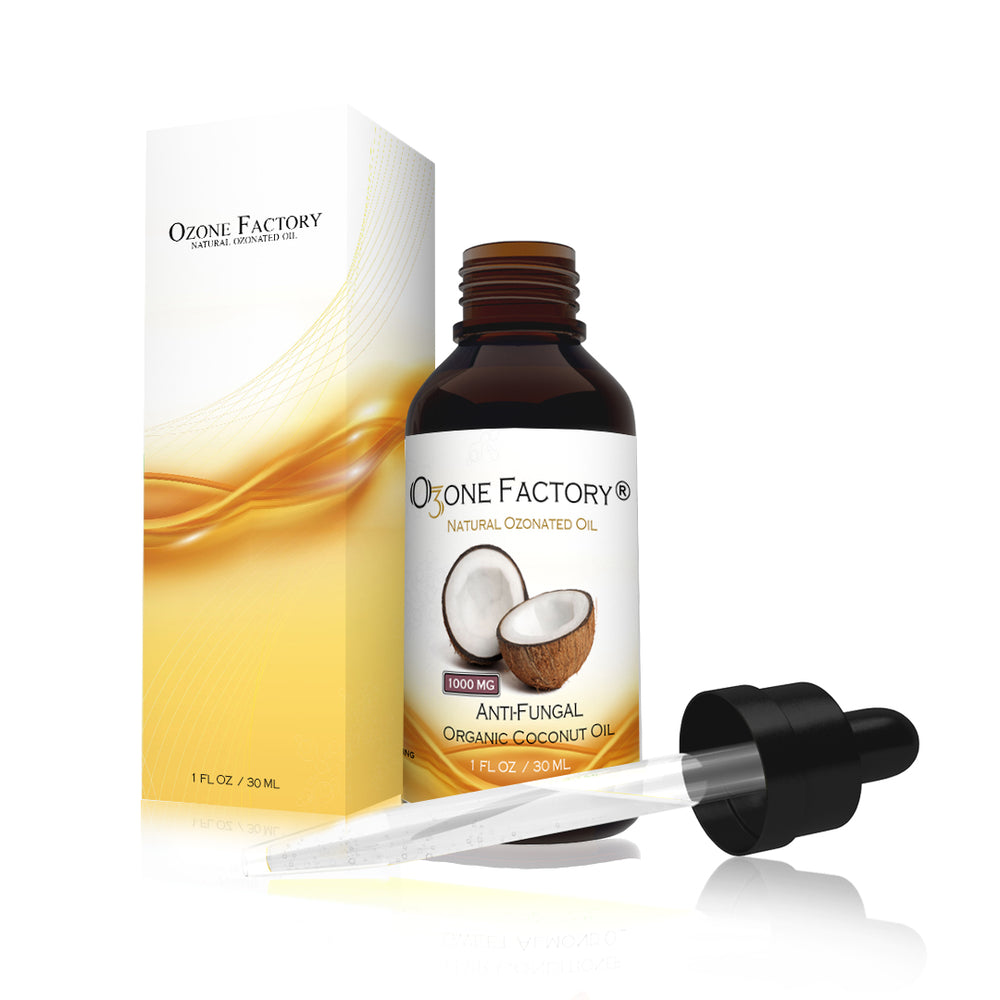
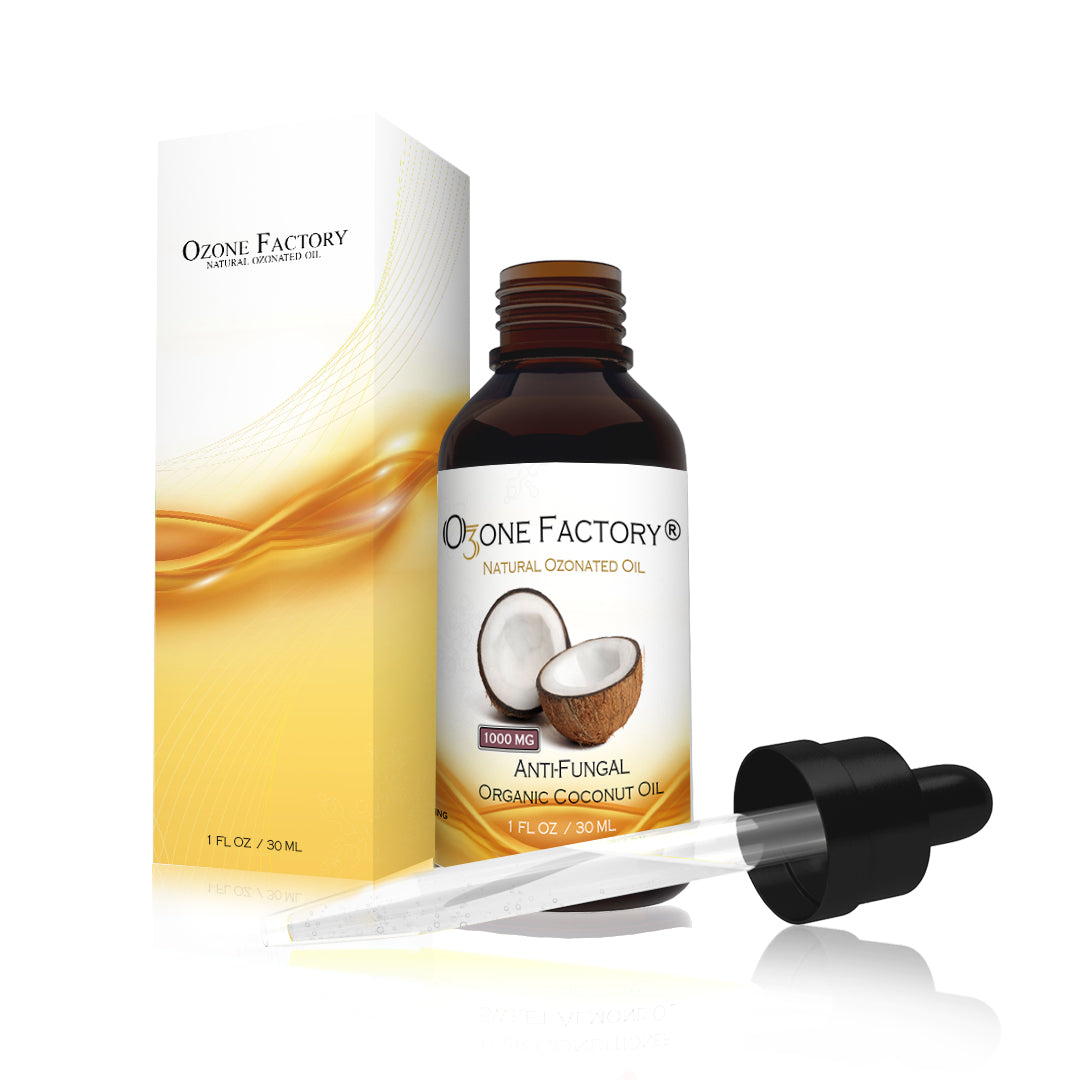


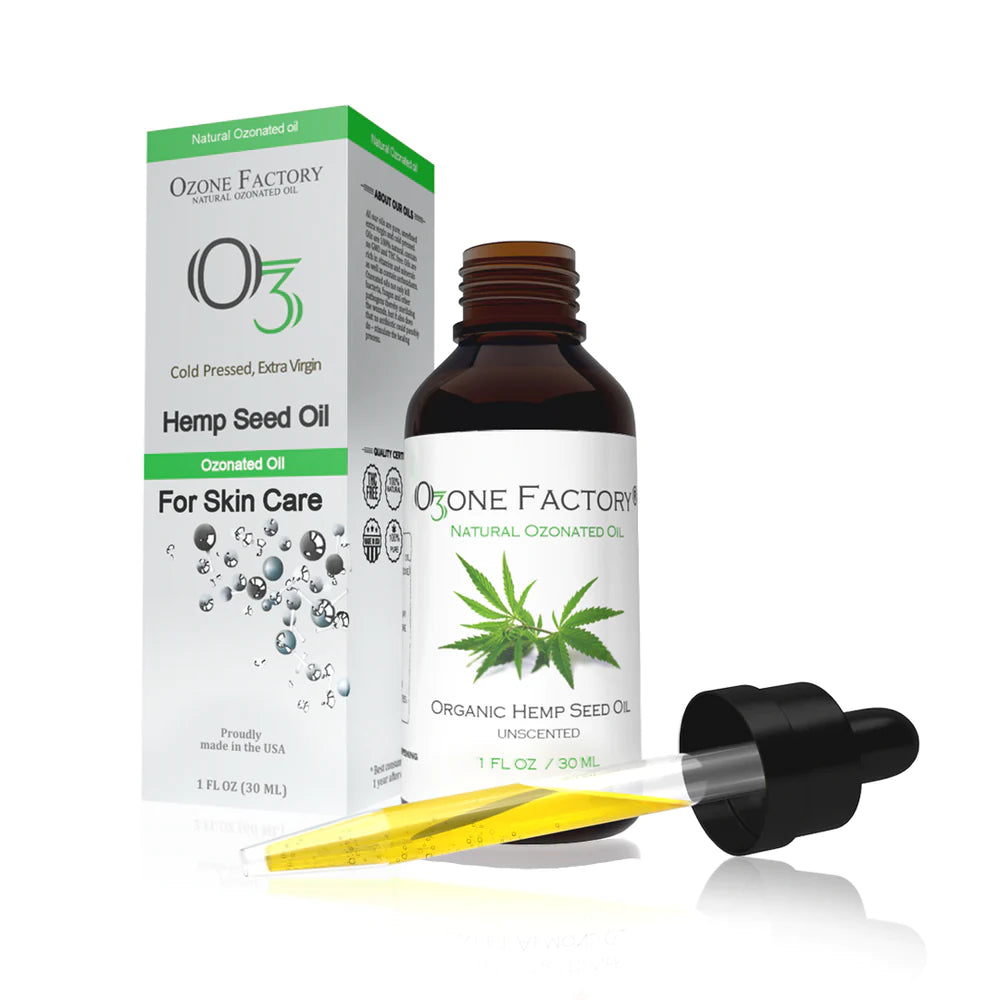
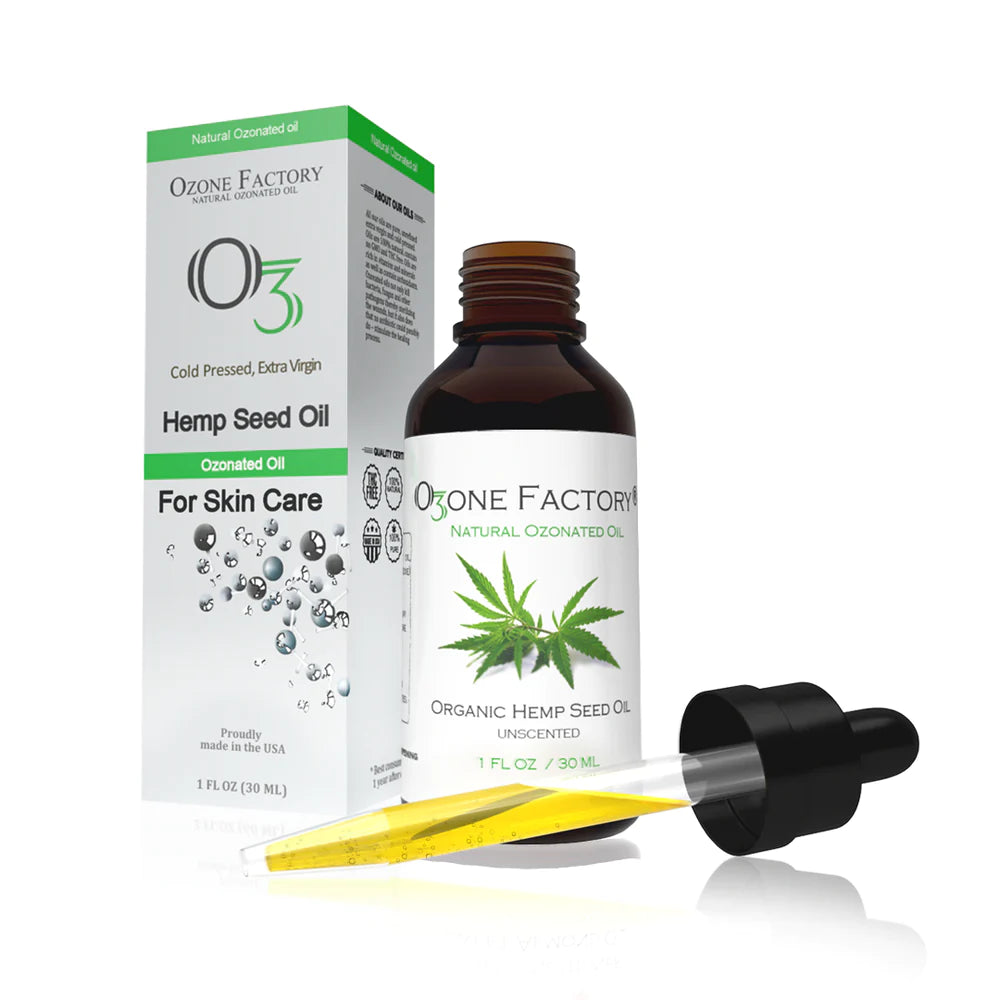




The cold season is a particularly challenging period for hair health. Low temperatures, cold winds, indoor heating, and frequent temperature fluctuations place significant stress on both the hair shaft and the scalp. These environmental factors can compromise the hair’s structural integrity, leading to dryness, breakage, loss of shine, and increased fragility. In this context, ozonated oils represent an advanced and effective approach to protecting and maintaining healthy hair throughout winter.
The Structure of Hair: A Brief Overview
To understand how ozonated oils work, it is essential to first consider the structure of the hair. Each hair strand consists of three main layers:
- Cuticle – the outermost layer, composed of overlapping keratin scales. The cuticle acts as a protective barrier against mechanical, chemical, and environmental damage.
- Cortex – the middle layer, which provides strength, elasticity, and color to the hair. It contains keratin fibers and structural proteins.
- Medulla – the innermost layer, present mainly in thicker hair, with a minor role in overall hair strength.
Healthy hair is characterized by a smooth, compact cuticle that retains moisture and protects the cortex. When the cuticle is damaged, the hair becomes porous, brittle, and prone to breakage.
How Cold Weather Affects Hair Structure
During the cold season, several factors negatively influence hair health:
- Low humidity and indoor heating reduce moisture levels, leading to dry and dehydrated hair.
- Cold temperatures cause the cuticle scales to lift, increasing hair porosity and susceptibility to damage.
- Wind and friction from hats and scarves weaken the cuticle, resulting in split ends and breakage.
- Reduced scalp circulation due to cold exposure may impair nutrient delivery to hair follicles, affecting hair growth and strength.
Over time, these stressors disrupt the natural lipid layer of the hair and scalp, accelerating structural degradation.

How Ozonated Oils Protect and Support Hair in Winter
When applied to the hair and scalp, ozonated oils provide multiple benefits:
- Cuticle protection and repair: Ozonated oils help smooth and seal the cuticle, reducing moisture loss and protecting the cortex from environmental damage.
- Improved hydration and elasticity: By restoring the lipid barrier, they enhance moisture retention and improve hair flexibility, reducing breakage.
- Scalp balance and stimulation: The oxygen-releasing properties of ozonated oils support scalp microcirculation and create a healthier environment for hair follicles.
- Antimicrobial protection: During winter, the scalp is more prone to irritation, dandruff, and imbalance. Ozonated oils help maintain scalp hygiene and comfort.
- Defense against oxidative stress: Ozonated oils contribute to neutralizing oxidative damage caused by environmental stressors common in the cold season.
Practical Application During the Cold Season
For optimal results, ozonated oils can be used as:
- Scalp treatments, applied before washing to nourish follicles and improve scalp health.
- Leave-in treatments, used in small amounts on the lengths and ends to protect against dryness and mechanical stress.
- Protective masks, combined with gentle heat to enhance penetration during periods of extreme cold.
Consistency is key, especially during winter months when hair is continuously exposed to harsh conditions.
Conclusion
The cold season poses significant challenges to hair structure and vitality. By addressing both the external hair shaft and the scalp environment, ozonated oils offer a comprehensive solution for winter hair care. Their unique combination of protective, regenerative, and bioactive properties makes them a valuable ally in preserving hair strength, elasticity, and shine throughout the colder months.
Incorporating ozonated oils into a winter hair care routine is not only a protective measure but also a proactive strategy for maintaining long-term hair health.