

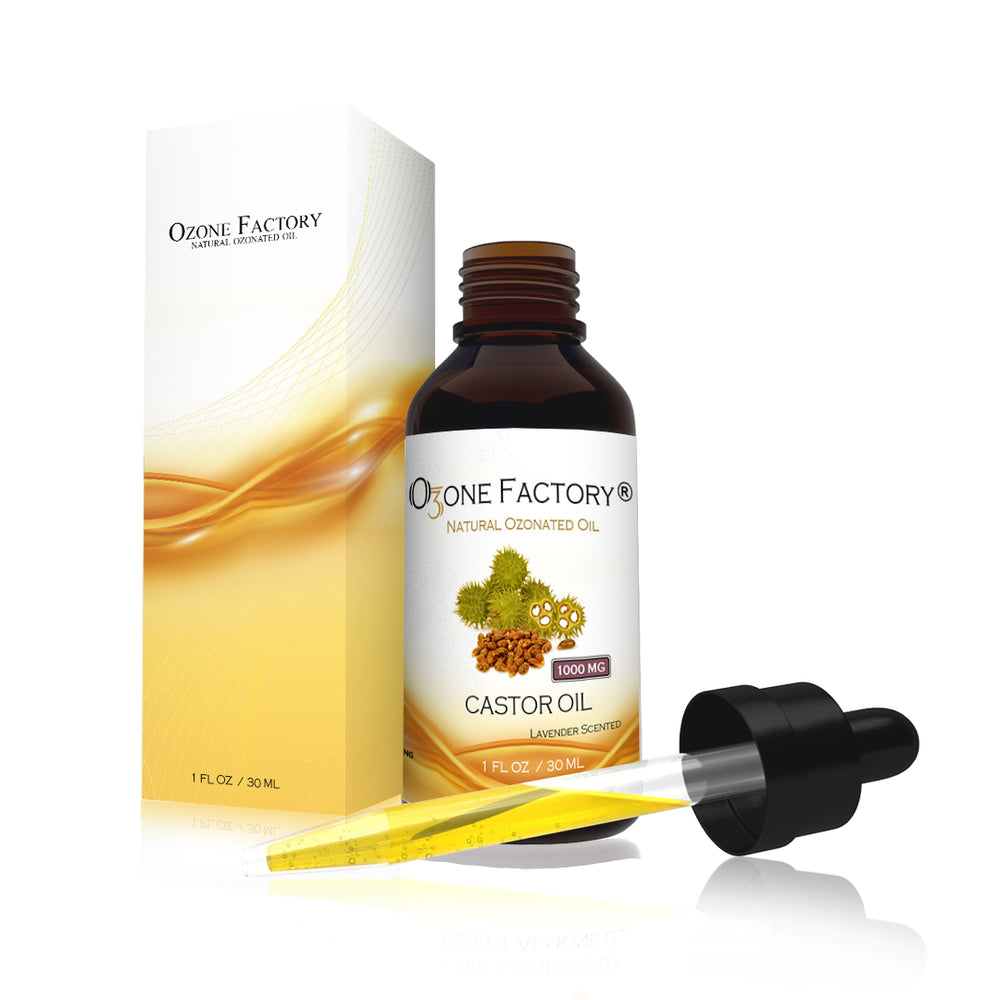
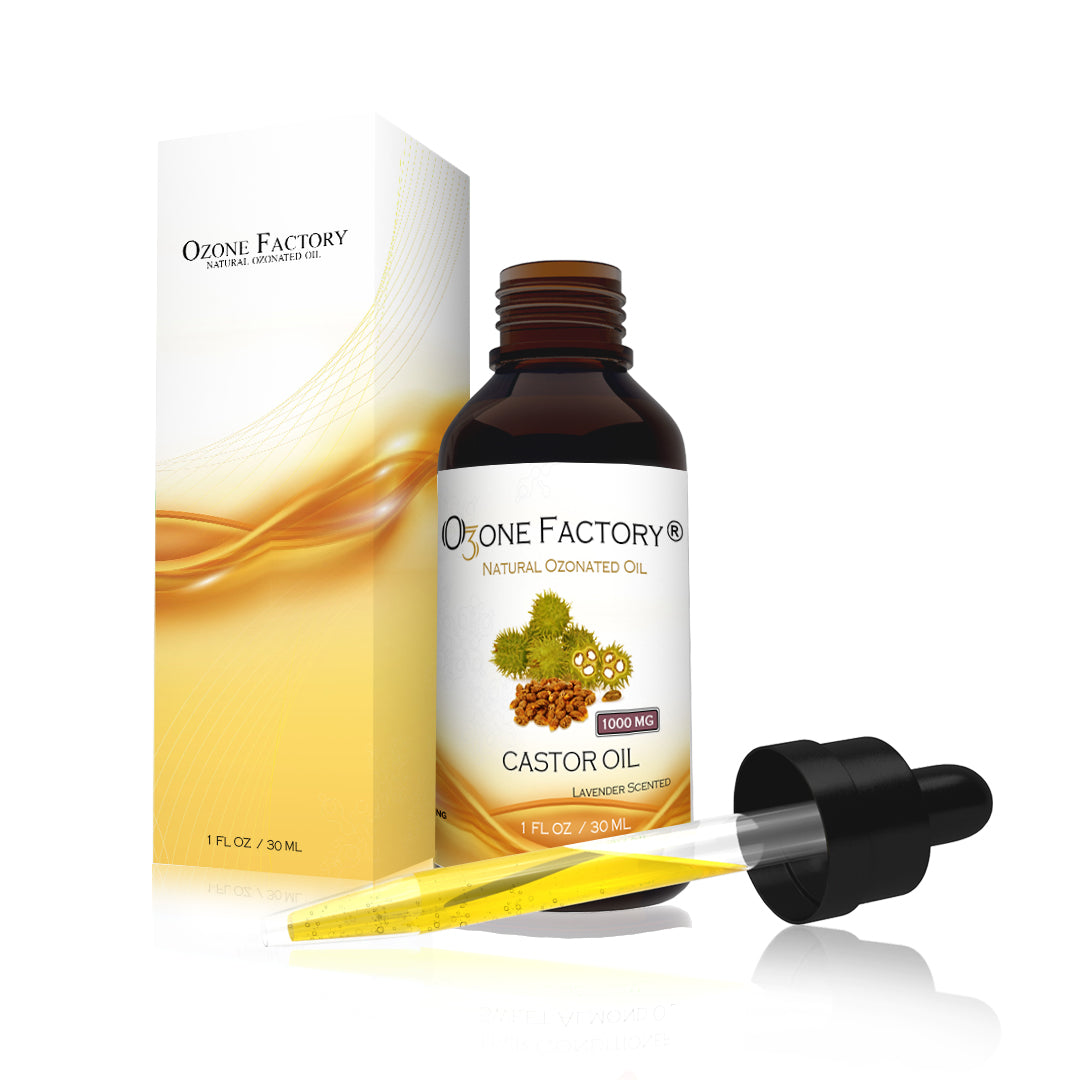
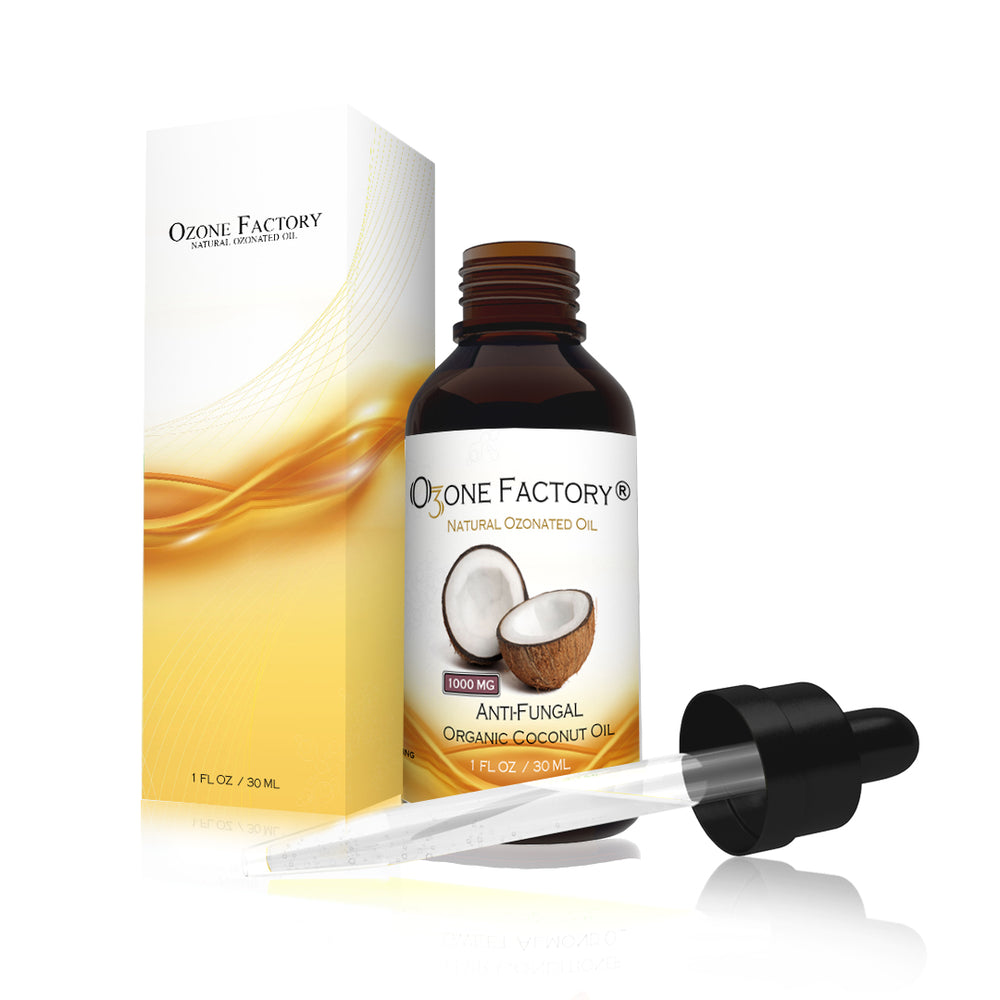
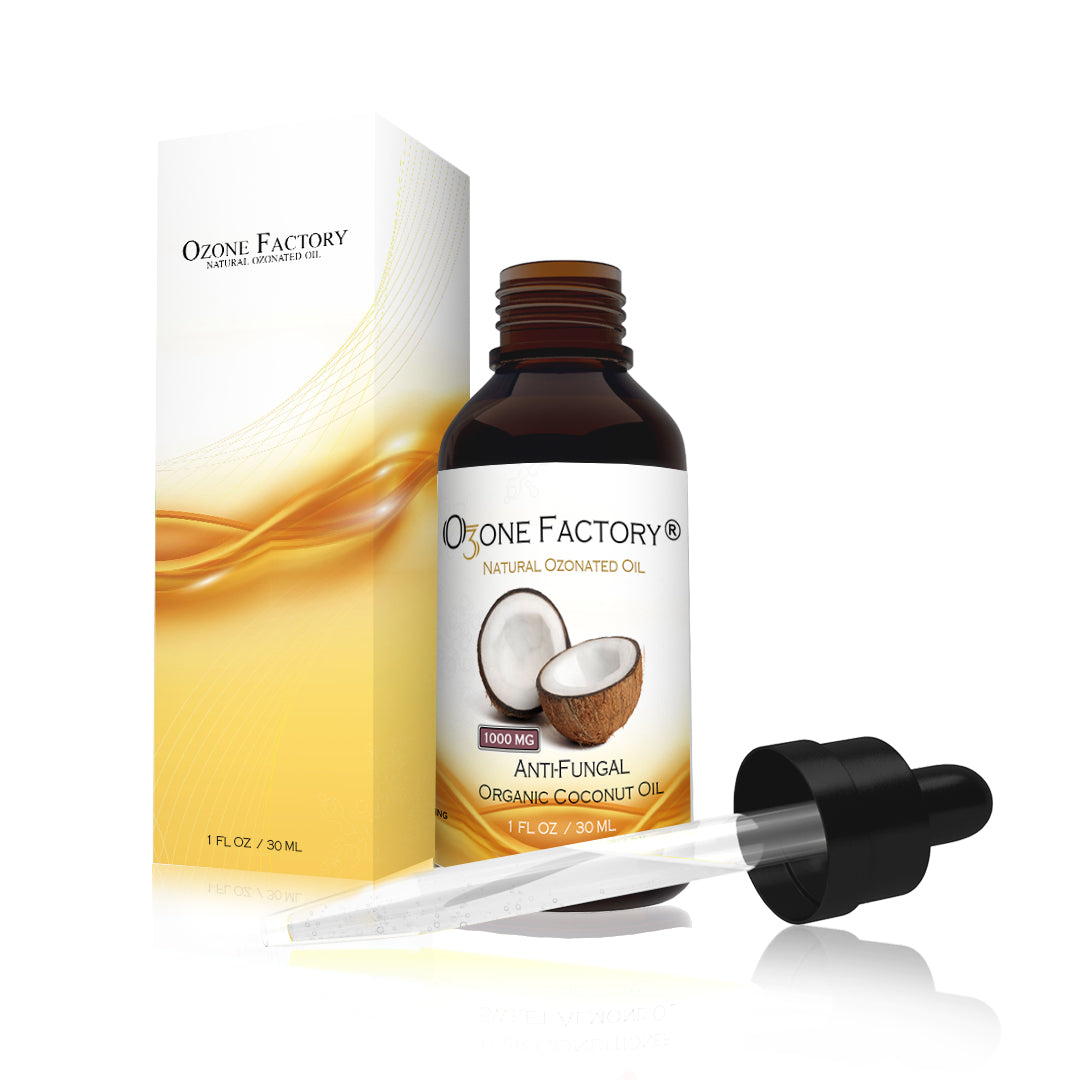




Urbanization has dramatically transformed the environment in which human skin exists. Today, more than half of the world’s population lives in cities, where daily exposure to air pollution has become unavoidable. While the respiratory and cardiovascular effects of pollution are well documented, its impact on skin health is only recently receiving the attention it deserves.
Urban pollution represents a constant, invisible stressor that affects the skin at both superficial and cellular levels, accelerating aging, disrupting protective mechanisms, and increasing the prevalence of chronic skin conditions.
Understanding Urban Pollution: What the Skin Is Exposed To
Urban air pollution is a complex mixture of harmful substances, including:
- Particulate matter (PM2.5 and PM10), capable of penetrating deep into the skin
- Heavy metals such as lead, mercury, cadmium, and nickel
- Polycyclic aromatic hydrocarbons (PAHs) from vehicle exhaust and industrial emissions
- Nitrogen oxides (NOx) and sulfur dioxide (SO₂)
- Ground-level ozone, a strong oxidizing agent
These pollutants accumulate on the skin surface throughout the day and penetrate through pores, hair follicles, and micro-lesions in the skin barrier.
The Biological Mechanisms of Pollution-Induced Skin Damage
1. Oxidative Stress and Free Radical Formation
Urban pollutants generate excessive free radicals that overwhelm the skin’s antioxidant defense system. This oxidative stress damages lipids, proteins, and cellular DNA, accelerating skin aging and impairing normal cell function.
2. Disruption of the Skin Barrier
Pollution weakens the lipid matrix of the stratum corneum, increasing transepidermal water loss. As a result, the skin becomes dry, rough, and more permeable to irritants and allergens.
3. Chronic Low-Grade Inflammation
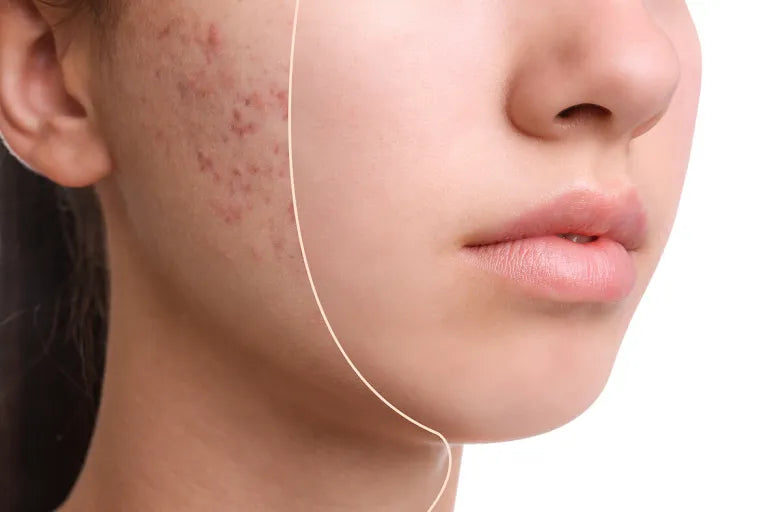
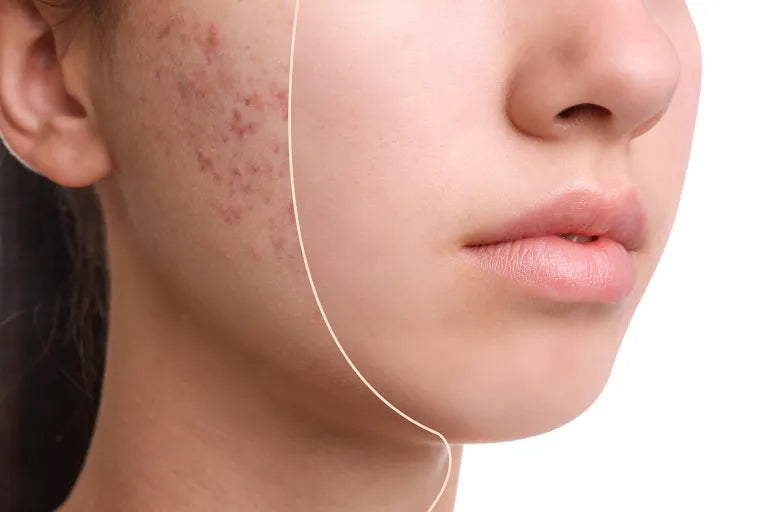
Continuous exposure to pollutants maintains the skin in a state of persistent inflammation. This inflammatory environment contributes to redness, sensitivity, acne flare-ups, rosacea exacerbation, and uneven skin tone.
4. Alteration of the Skin Microbiome
Urban pollution disrupts the balance of the skin microbiota by reducing beneficial microorganisms and allowing pathogenic species to proliferate. This imbalance further weakens skin immunity and delays healing.

Visible and Long-Term Effects of Urban Pollution on Skin
Over time, pollution-related damage manifests through both cosmetic and clinical changes:
- Dull, tired-looking complexion
- Premature wrinkles and fine lines
- Loss of elasticity and firmness
- Hyperpigmentation and dark spots
- Increased sensitivity and reactivity
- Slower wound healing and post-procedure recovery
These effects collectively define what is increasingly referred to as “urban skin”—skin that is chronically stressed and functionally compromised.
Why Traditional Skincare Is Often Not Enough
Conventional skincare routines typically focus on cleansing and topical antioxidants. While these steps are important, they may not fully address pollution-induced damage, which affects deeper biological processes such as oxygen metabolism, cellular repair, and microbial balance.
Modern urban skincare requires multifunctional solutions that:
- Reinforce the skin barrier
- Support regeneration and repair
- Modulate inflammation
- Control pathogenic microorganisms
- Improve cellular oxygen utilization
This is where ozonated oils offer a distinct and valuable advantage.
Ozonated Oils: A Functional Solution for Urban Skin Stress
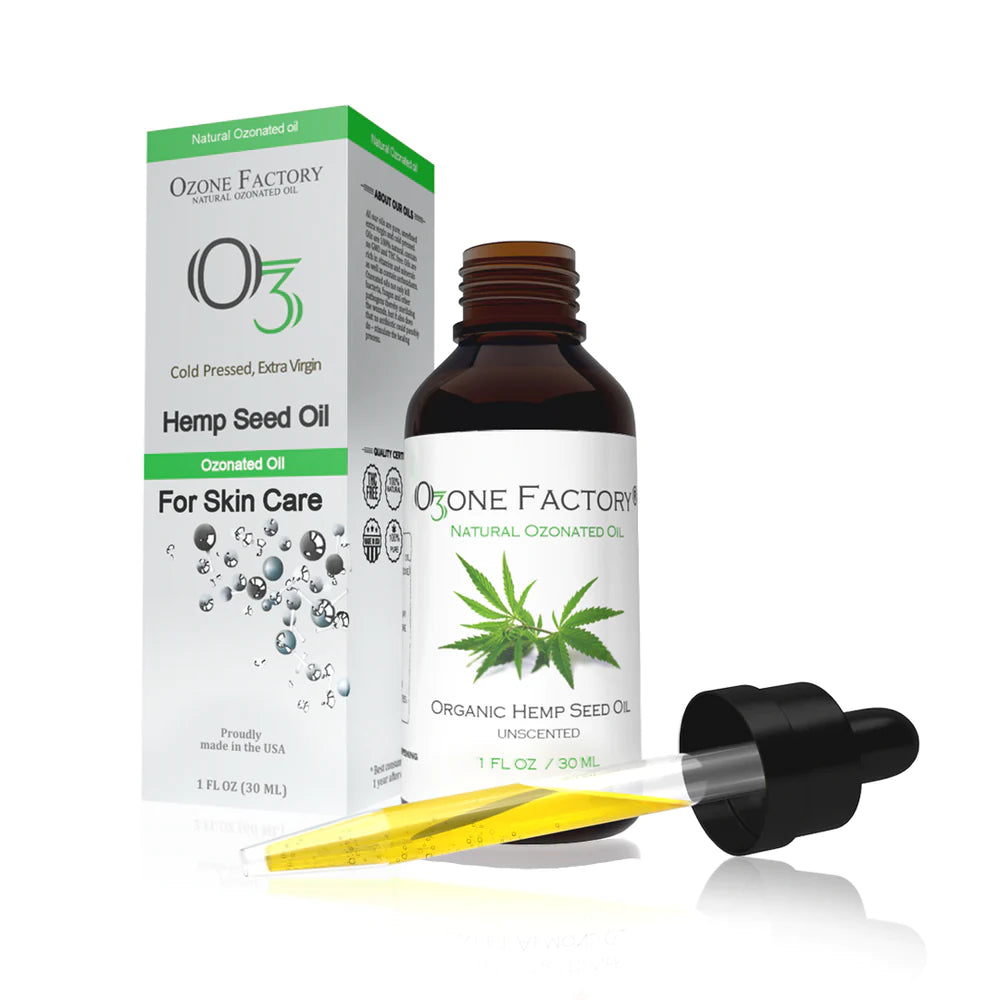
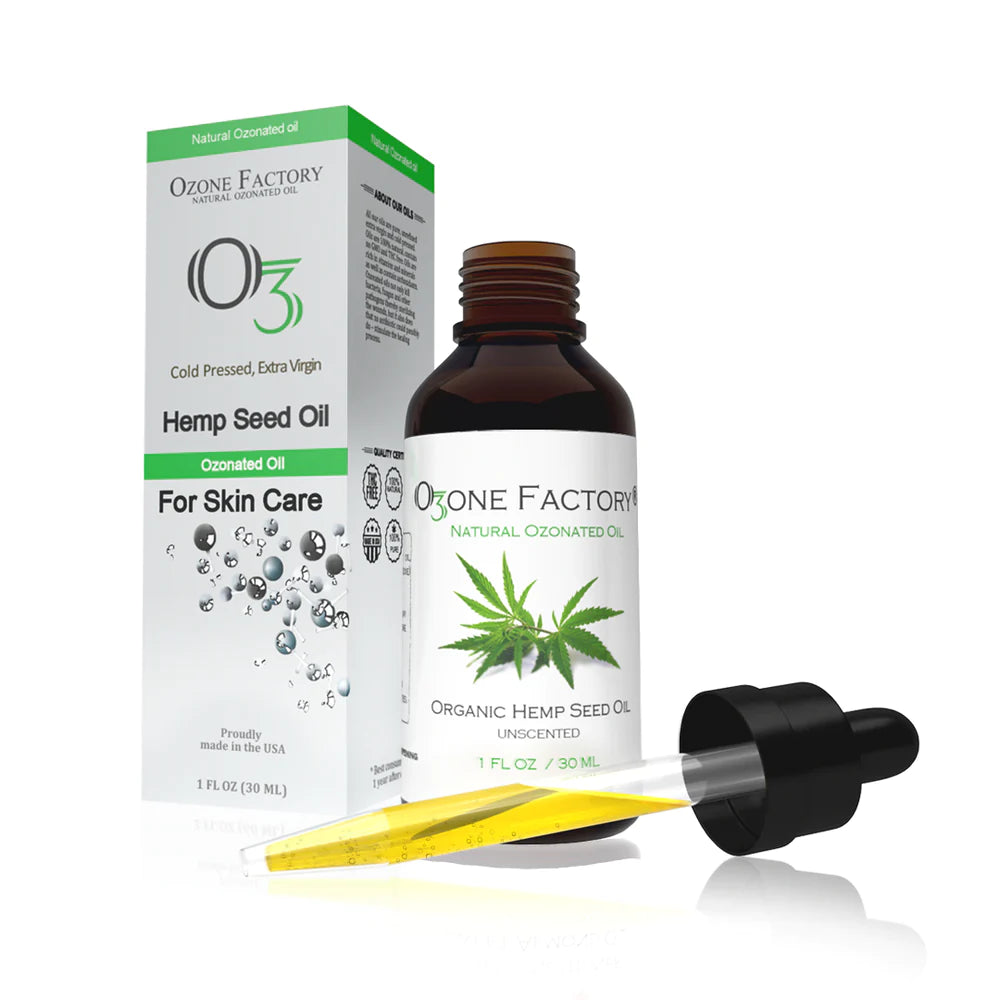
Ozonated oils are produced by infusing ozone into high-quality vegetable oils, forming stable ozonides with unique biological activity. When applied topically, these compounds interact with the skin in controlled and beneficial ways.
Key Benefits of Ozonated Oils for Polluted Skin
1. Antimicrobial Protection
Ozonated oils exhibit broad-spectrum antimicrobial activity against bacteria, fungi, and other pathogens associated with polluted environments—without disrupting beneficial skin flora.
2. Reduction of Pollution-Induced Inflammation
By modulating inflammatory pathways, ozonated oils help calm irritated skin and reduce redness and sensitivity caused by chronic environmental stress.
3. Improved Oxygen Metabolism
Ozonides support local oxygen release and microcirculation, enhancing cellular energy production and promoting efficient tissue repair.
4. Stimulation of Skin Regeneration
Ozonated oils activate fibroblast activity and support collagen synthesis, contributing to improved skin structure and resilience.
5. Reinforcement of the Skin Barrier
The lipid component of ozonated oils helps restore barrier integrity, reducing moisture loss and protecting against further pollutant penetration.

Practical Applications of Ozonated Oils in Urban Skincare
Ozonated oils can be incorporated into both daily routines and professional treatments, including:
- Daily care for individuals living in highly polluted cities
- Post-cleansing treatments to restore skin balance
- Supportive care after chemical peels, microneedling, or laser procedures
- Acne-prone skin exposed to environmental stress
- Preventive anti-aging routines focused on long-term skin health
Their multifunctional nature allows them to replace multiple products while offering targeted biological support.
A Shift Toward Skin Resilience, Not Just Protection
Modern beauty and dermatology increasingly emphasize skin resilience—the ability of the skin to adapt, recover, and maintain balance despite constant exposure to stressors. In polluted urban environments, this concept is essential.
Rather than merely shielding the skin from pollutants, effective care must strengthen the skin’s internal defense and repair systems. Ozonated oils align with this philosophy by supporting regeneration, microbial balance, and barrier function simultaneously.
Conclusion
Urban pollution is an unavoidable reality of modern life and a major contributor to compromised skin health. Chronic exposure to environmental pollutants accelerates aging, weakens the skin barrier, disrupts the microbiome, and maintains a state of persistent inflammation.
Addressing these effects requires advanced yet gentle solutions that work in harmony with the skin’s natural biology. Ozonated oils offer a scientifically grounded, multifunctional approach to protecting and restoring urban skin—helping it remain healthy, resilient, and balanced in an increasingly polluted world.