



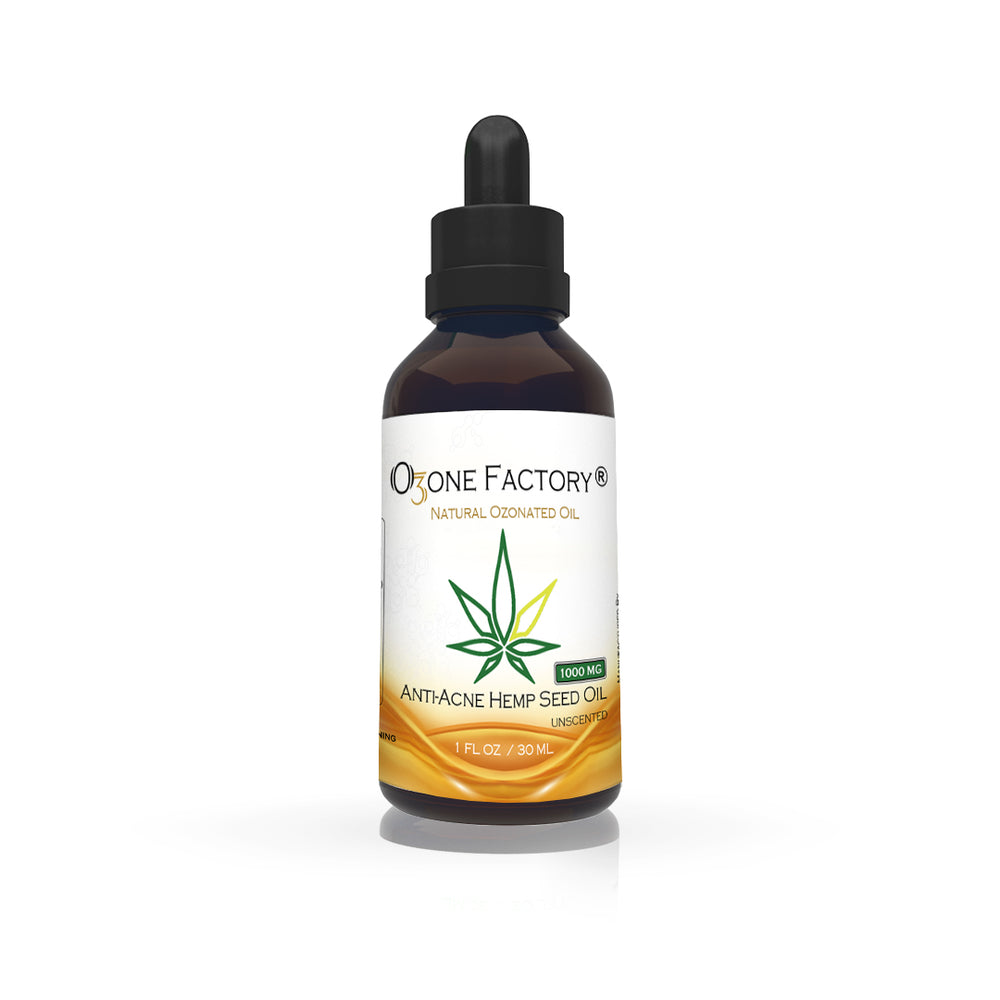


Drug-induced skin reactions represent some of the most common adverse effects encountered in clinical practice. They range from mild irritation to severe dermatologic conditions that require immediate medical attention. Understanding how medications affect the skin and what supportive care options exist—including the use of ozonated oils—can help patients manage symptoms and promote faster regeneration.
1. How Medications Affect the Skin
Many systemic and topical medications can trigger reactions due to immune hypersensitivity, direct toxicity, changes in skin microbiota, or disruption of the skin barrier. The severity varies widely depending on the drug, dosage, and individual susceptibility.
Common types of drug-related skin reactions:
• Irritant or Allergic Contact Dermatitis
Caused mainly by topical medications.
Manifestations: redness, burning, itching, flaking.
Common triggers: antibiotics, retinoids, emollients with preservatives.
• Photosensitivity
Some drugs make the skin more vulnerable to UV radiation.
Manifestations: sunburn-like rash, hyperpigmentation, blistering.
Associated drugs: tetracyclines, thiazides, NSAIDs, isotretinoin.
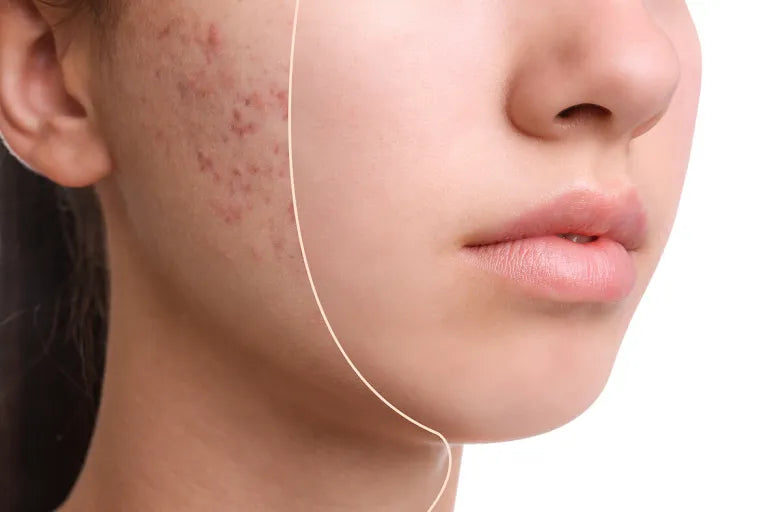
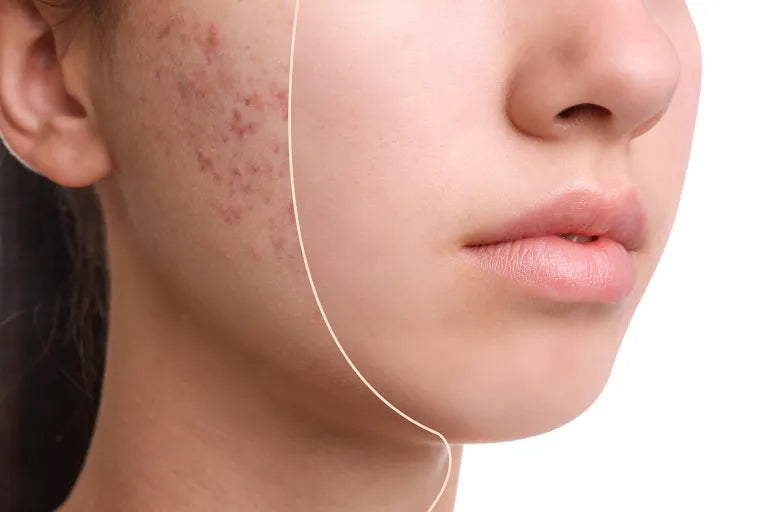
• Acneiform Eruptions
Medications can induce acne-like lesions.
Triggers: corticosteroids, lithium, androgens, halogens.
Effects: papules, pustules, increased oiliness, inflammation.
• Urticaria and Angioedema
Immediate hypersensitivity reactions.
Manifestations: hives, swelling, pruritus.
Common triggers: antibiotics (penicillins), NSAIDs, contrast agents.
• Pigmentation Changes
Some medications stimulate melanin production or cause deposition of pigments.
Triggers: antimalarials, amiodarone, chemotherapeutics.
Effects: dark patches, bluish-gray discoloration, uneven tone.

• Severe Cutaneous Adverse Reactions (SCARs)
Rare but life-threatening.
Includes Stevens–Johnson syndrome, toxic epidermal necrolysis, and DRESS syndrome.
Require urgent medical care and hospitalization.
2. Managing Drug-Induced Skin Reactions
The primary step is always to identify and discontinue the offending medication when medically possible. Dermatologic care may include:
- soothing emollients
- antihistamines
- topical corticosteroids
- photoprotection
- gentle cleansing and moisturization
- dermatology referral for severe or persistent reactions
While pharmacologic intervention is important, supportive measures that restore the skin barrier and reduce inflammation can significantly improve recovery.
3. How Ozonated Oils Can Support Skin Recovery
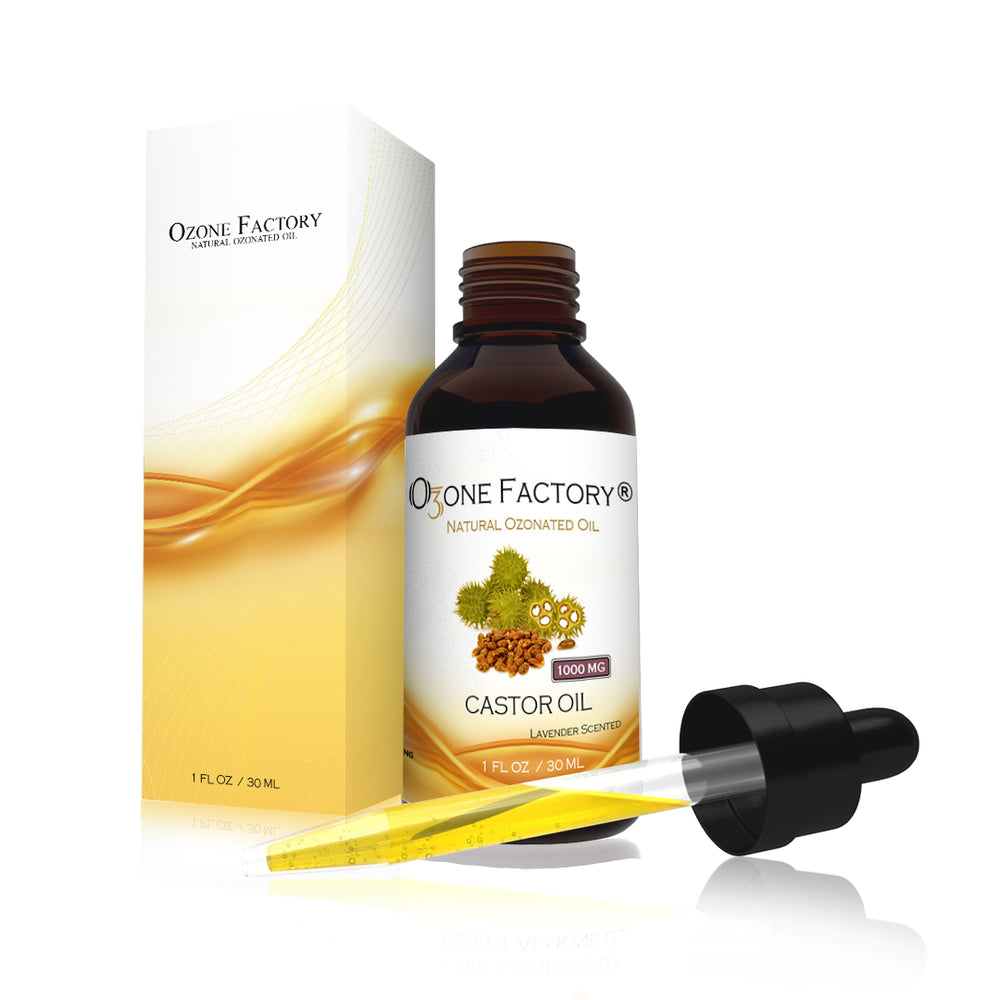
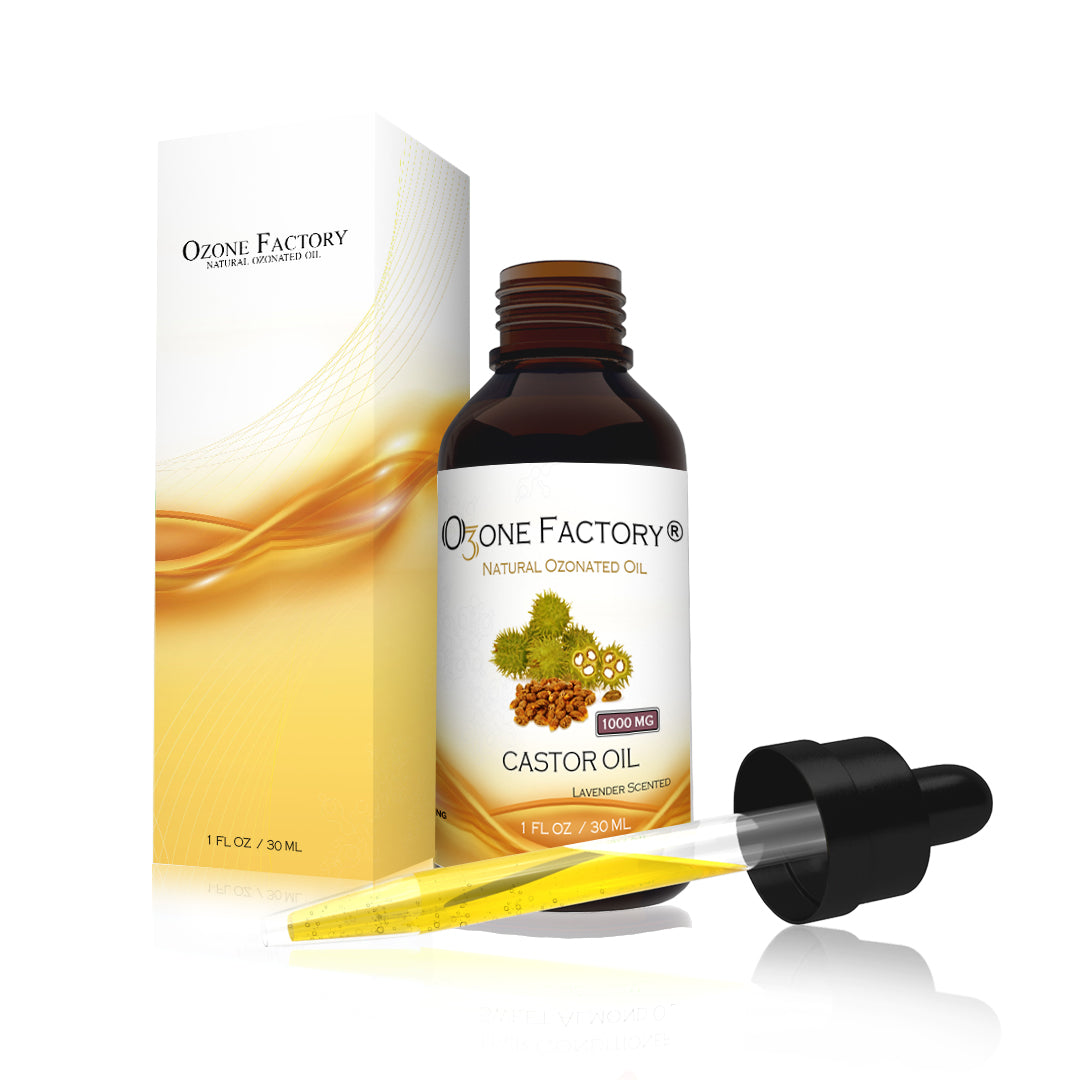
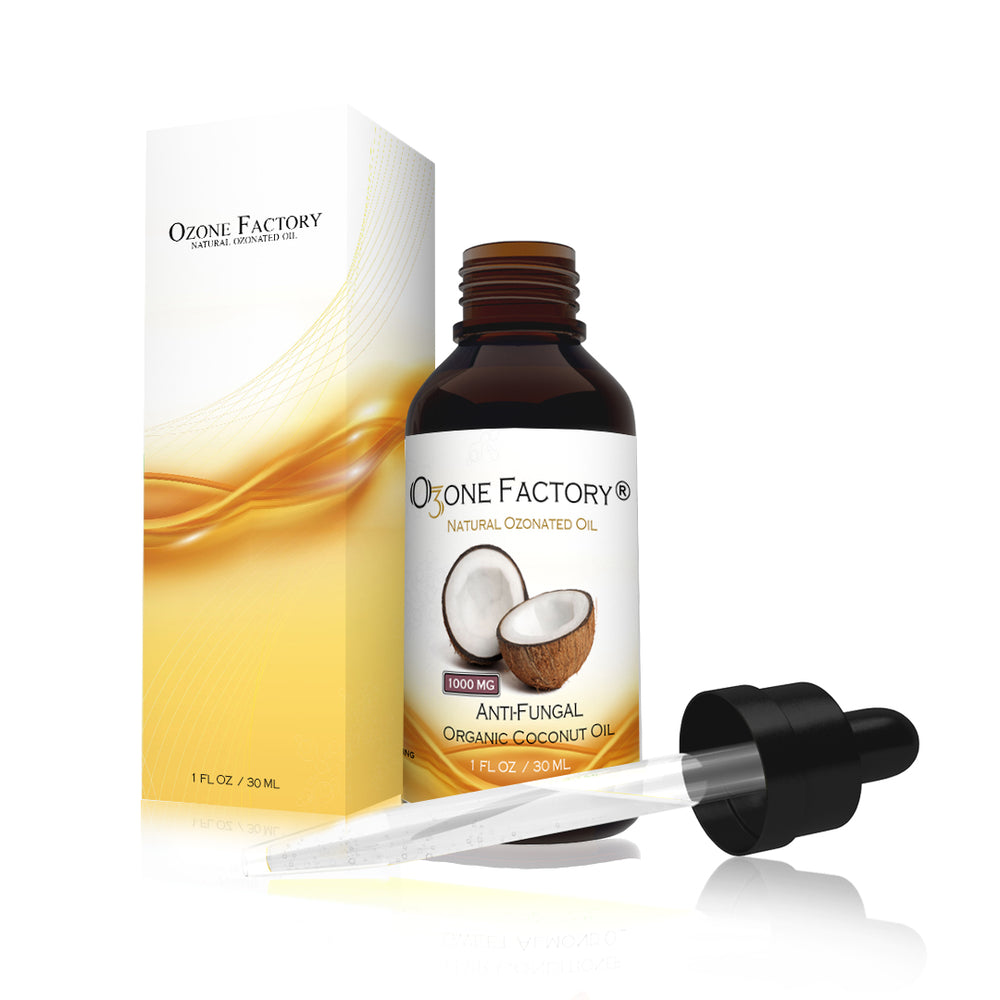
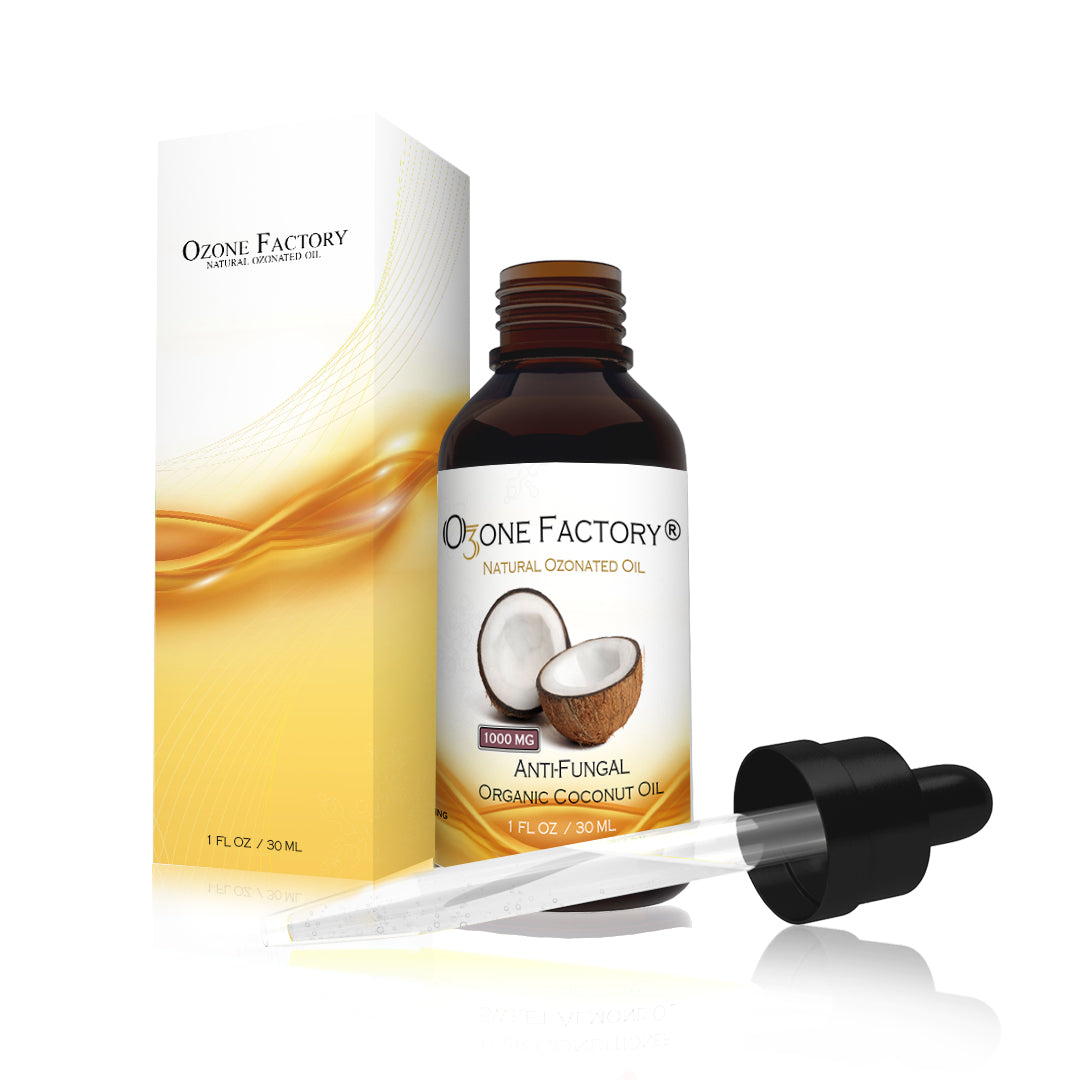
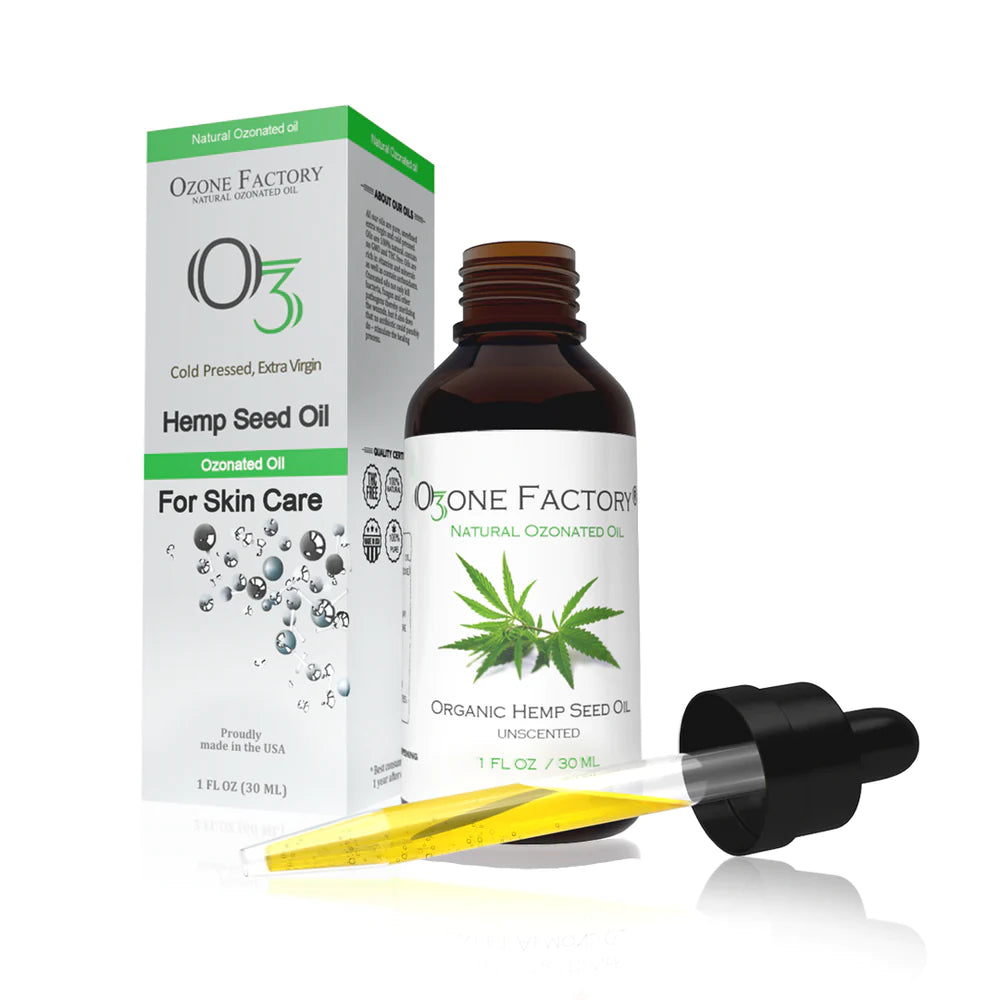
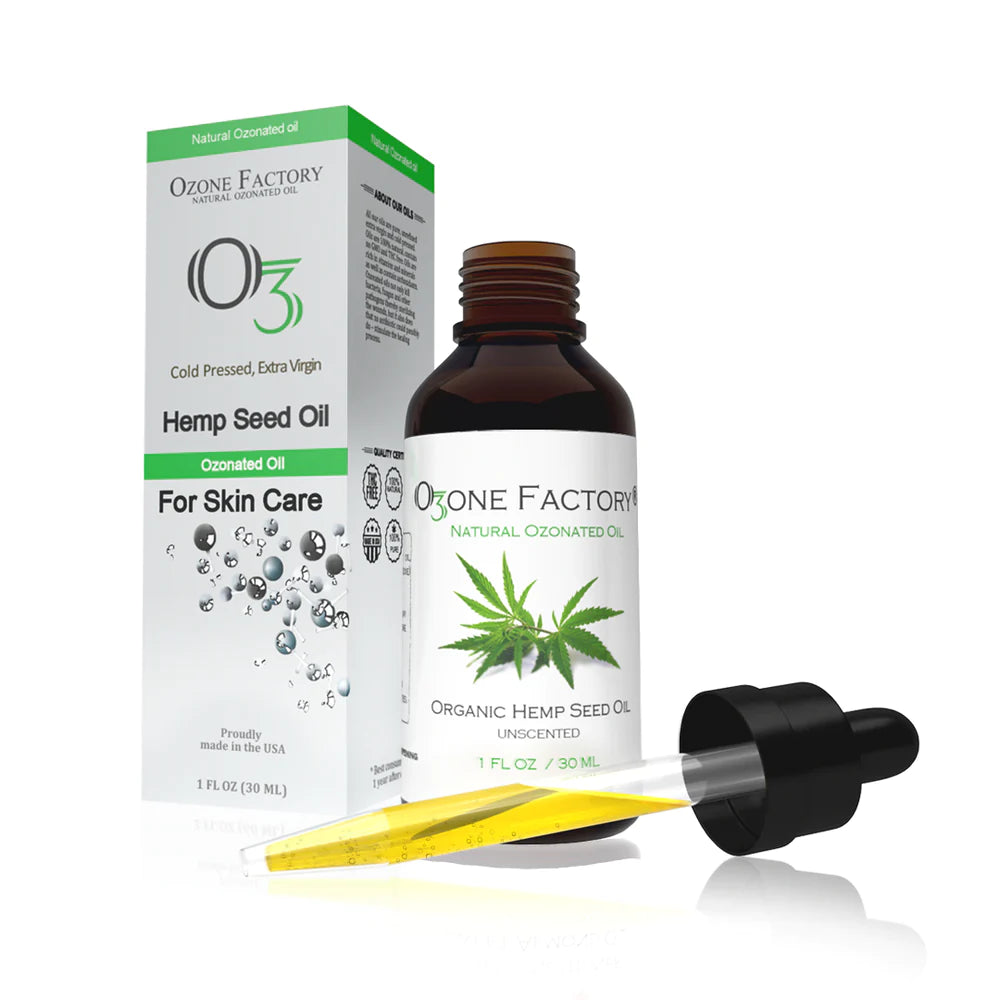
Ozonated oils—such as ozonated olive oil, ozonated hemp seed oil, or ozonated almond oil—are gaining recognition due to their antimicrobial, anti-inflammatory, and regenerative properties. When ozone is infused into a carrier oil, it forms stable ozonides that deliver therapeutic effects directly to the skin.
Benefits of ozonated oils in drug-related skin reactions:
1. Reduction of Inflammation and Redness
Ozonated oils help modulate local inflammatory responses, reducing erythema, swelling, and discomfort often associated with dermatitis or acneiform eruptions.
2. Enhanced Skin Healing and Regeneration
Ozonides stimulate oxygenation and microcirculation in tissues.
This supports:
- collagen synthesis
- epithelial regeneration
- quicker closure of irritated or damaged areas
Useful especially after reactions involving peeling, irritation, or dryness.
3. Antimicrobial Protection
Many drug reactions, especially acneiform eruptions or erosive dermatitis, may predispose the skin to secondary bacterial colonization.
Ozonated oils have broad-spectrum antimicrobial activity, supporting a cleaner and balanced skin surface.
4. Restoration of the Skin Barrier
Drug reactions often impair the protective lipid layer.
Ozonated oils provide:
- deep moisturization
- barrier reinforcement
- protection against transepidermal water loss (TEWL)
This is essential for patients recovering from irritant or allergic dermatitis.
5. Improvement of Skin Texture and Appearance
Regular use can help:
- smooth rough patches
- reduce scaling
- even out tone
- restore a healthier, brighter complexion
This makes ozonated oils an excellent addition to recovery routines.

4. How to Use Ozonated Oils Safely
Recommended applications:
- thin layer once or twice daily on clean, dry skin
- gentle massage until absorbed
- avoid application on open wounds unless advised by a specialist
Precautions:
- patch test first
- avoid mixing with active irritants (retinoids, strong acids) in the same routine
- consult a healthcare provider if the reaction is severe
Conclusion
Drug-induced skin reactions can significantly affect comfort, appearance, and quality of life. While medical evaluation is essential, complementary care with ozonated oils can support healing by reducing inflammation, improving oxygenation, restoring the skin barrier, and enhancing overall skin resilience.
Their regenerative and antimicrobial properties make them a valuable option for patients seeking a natural, evidence-based solution to improve the skin's appearance after adverse reactions caused by medication.