



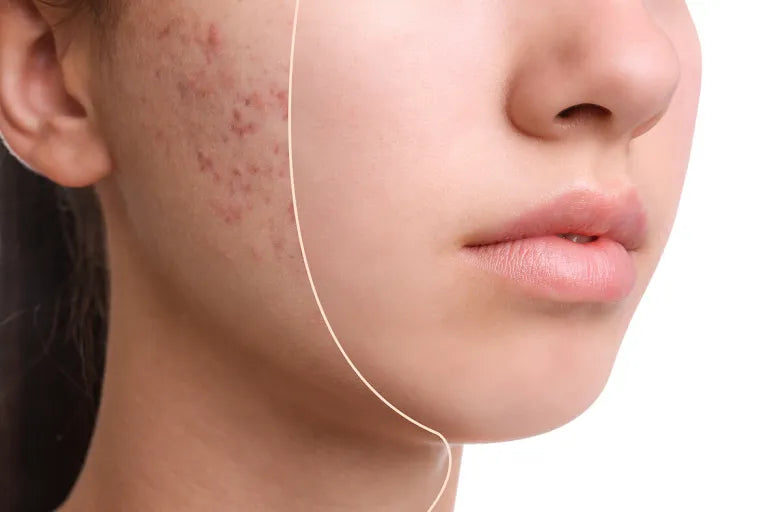
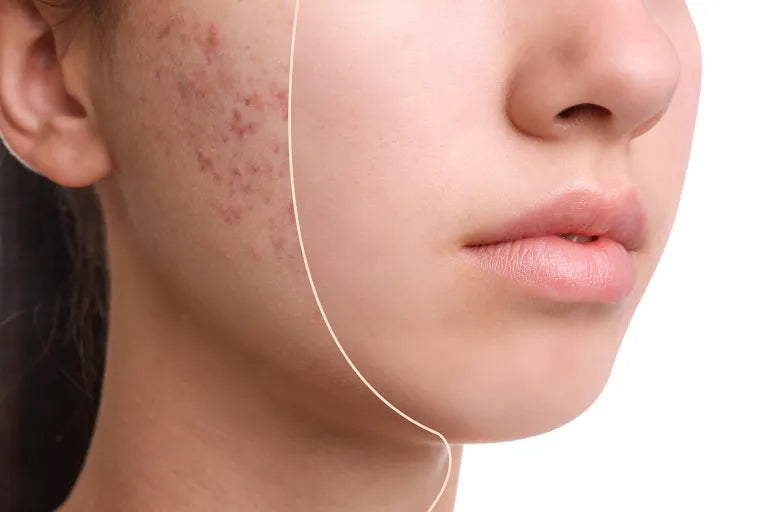
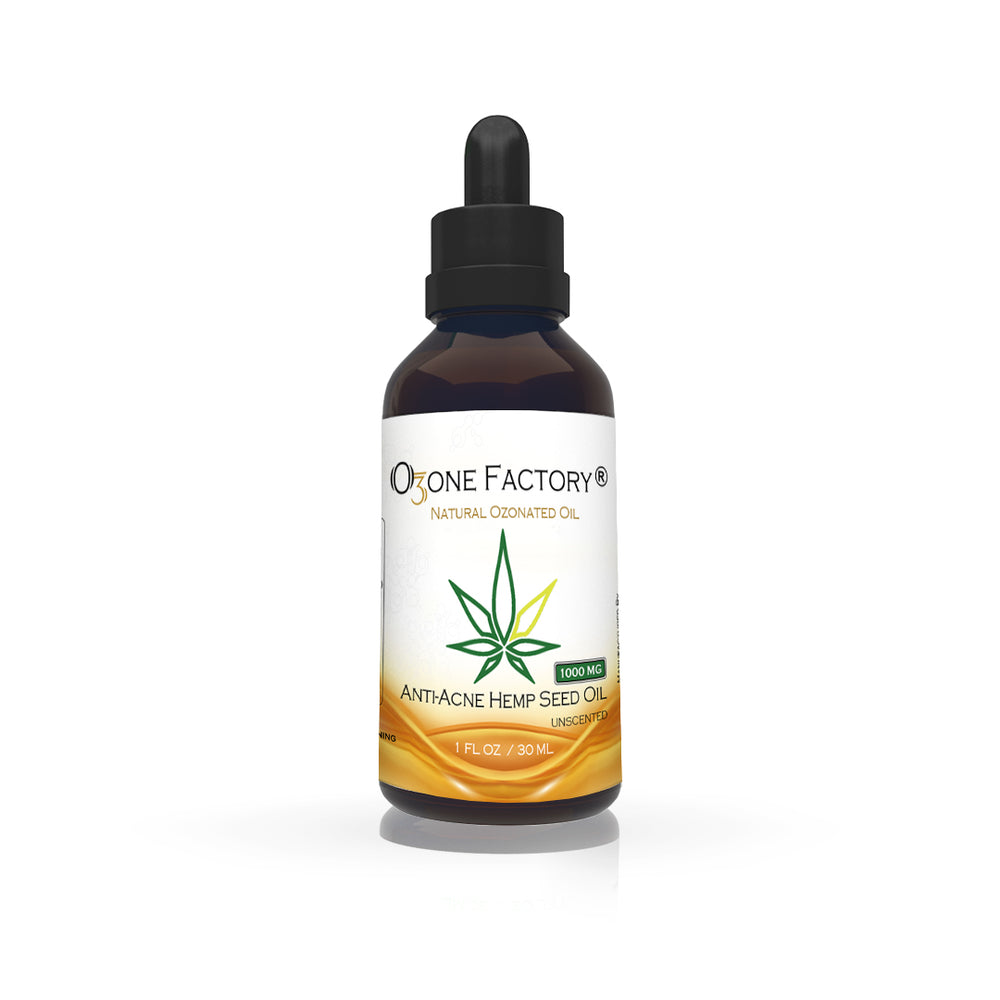


Clogged pores represent one of the most common dermatological concerns, affecting individuals across all age groups and skin types. They play a central role in the development of acne, comedones, inflammatory lesions, and uneven skin texture. Understanding the biological mechanisms behind pore obstruction is essential for effective prevention and treatment. In recent years, interest has grown in complementary topical agents, including ozonated oils, for their potential role in supporting skin health and barrier function.
What Are Clogged Pores?
Pores are microscopic openings in the skin connected to hair follicles and sebaceous glands. Their primary function is to allow sebum to reach the skin surface, maintaining hydration and barrier integrity. Pores become clogged when this natural process is disrupted, leading to the accumulation of:
- Excess sebum
- Dead keratinocytes
- Environmental debris
- Microorganisms, particularly Cutibacterium acnes
When these materials accumulate, pores may dilate and form open comedones (blackheads) or remain closed, resulting in whiteheads and inflammatory acne lesions.

Key Factors Contributing to Pore Blockage
1. Excess Sebum Production
Hormonal fluctuations—especially androgens—stimulate sebaceous glands to produce more oil. Excess sebum increases the likelihood of pore obstruction, particularly in oily and acne-prone skin.
2. Abnormal Keratinization
Impaired shedding of dead skin cells leads to hyperkeratinization within the follicle, creating a plug that blocks sebum outflow.
3. Inflammation and Microbial Imbalance
Bacterial overgrowth within clogged pores triggers inflammatory responses, contributing to redness, swelling, and lesion progression.
4. External Factors
Comedogenic cosmetics, air pollution, inadequate cleansing, and aggressive skincare routines can all exacerbate pore congestion.
Consequences of Clogged Pores
If left untreated, clogged pores may progress to chronic acne, post-inflammatory hyperpigmentation, scarring, and long-term disruption of the skin barrier. Early and appropriate intervention is therefore essential.

Conventional Management Strategies
Standard approaches to managing clogged pores include:
- Gentle cleansing to remove excess oil and debris
- Chemical exfoliation (e.g., salicylic acid, alpha-hydroxy acids)
- Topical retinoids to normalize keratinization
- Non-comedogenic moisturizers to maintain barrier function
However, some individuals experience irritation, dryness, or reduced tolerance to conventional therapies, prompting interest in supportive and adjunctive skincare options.
Ozonated Oils: An Emerging Supportive Approach
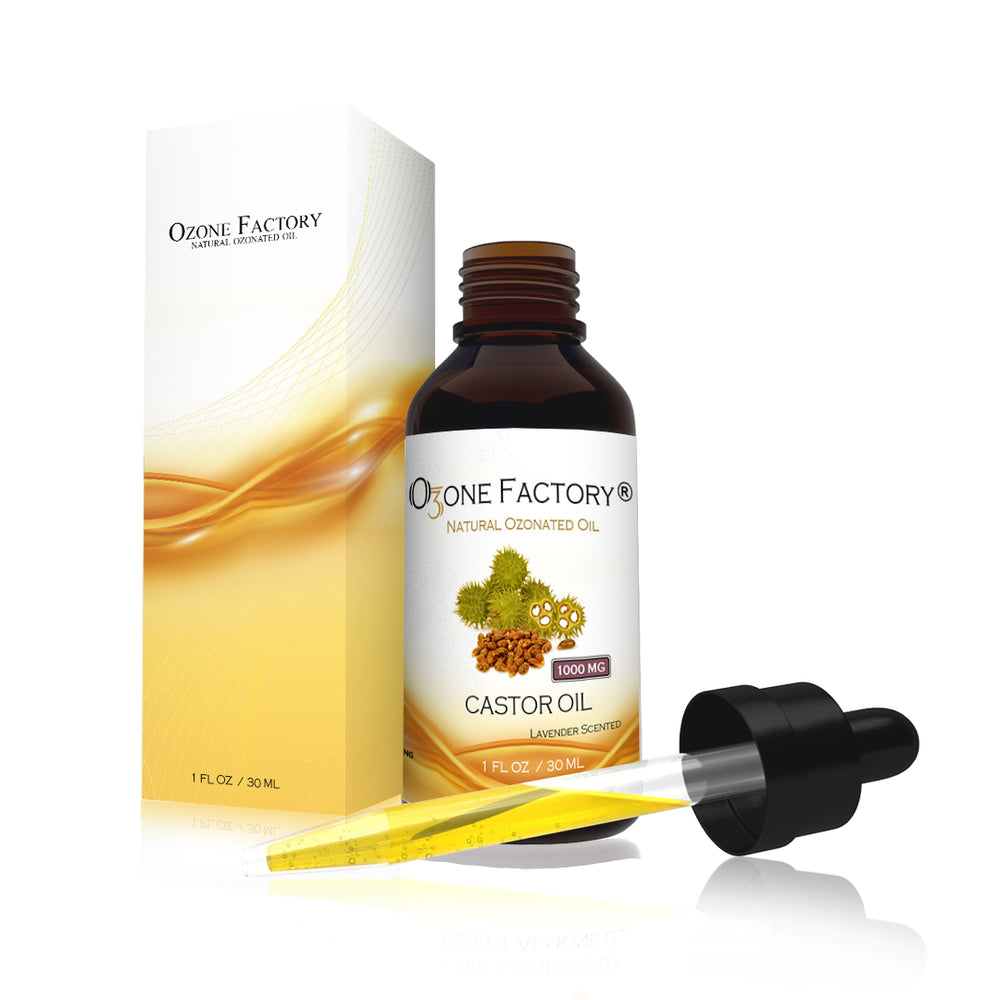
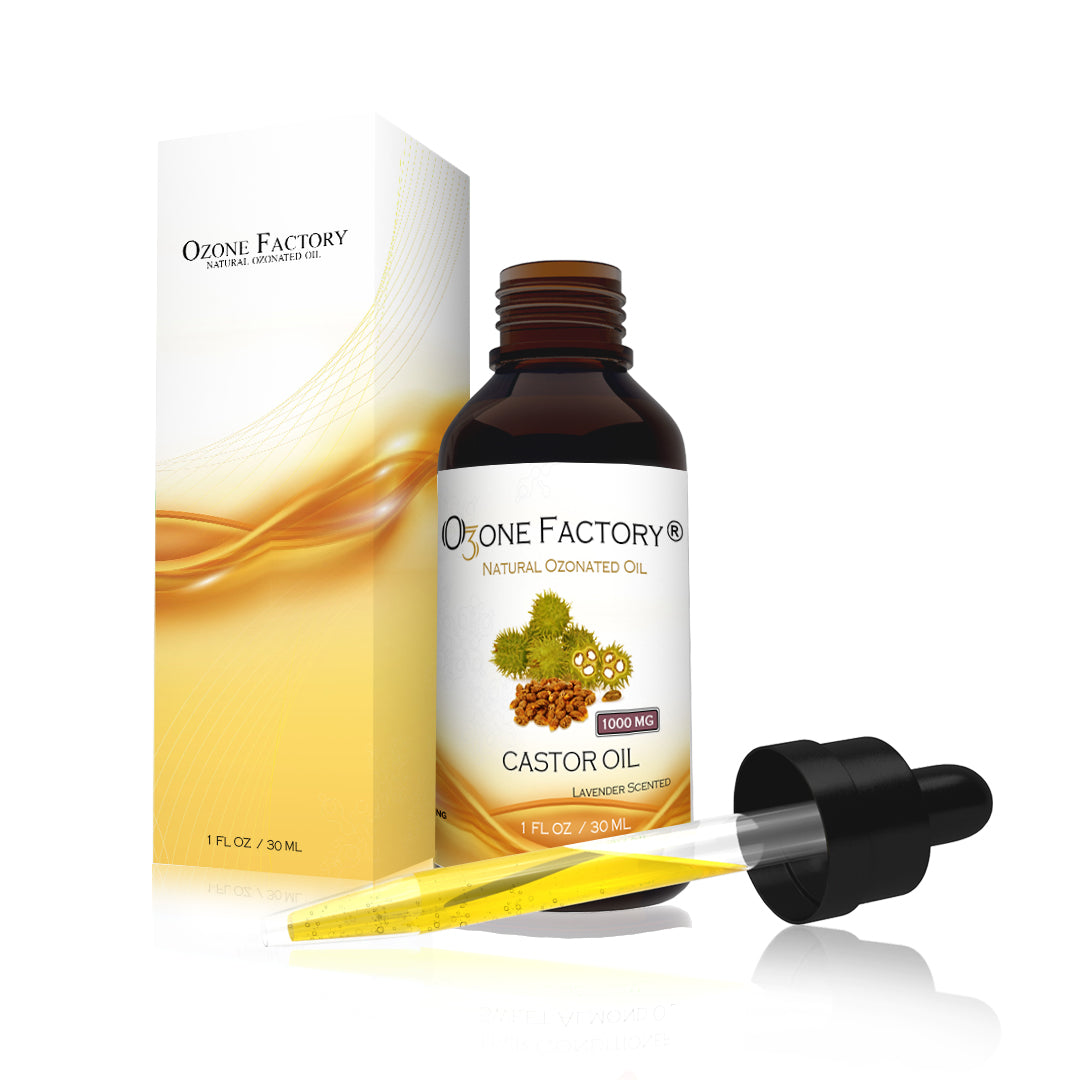
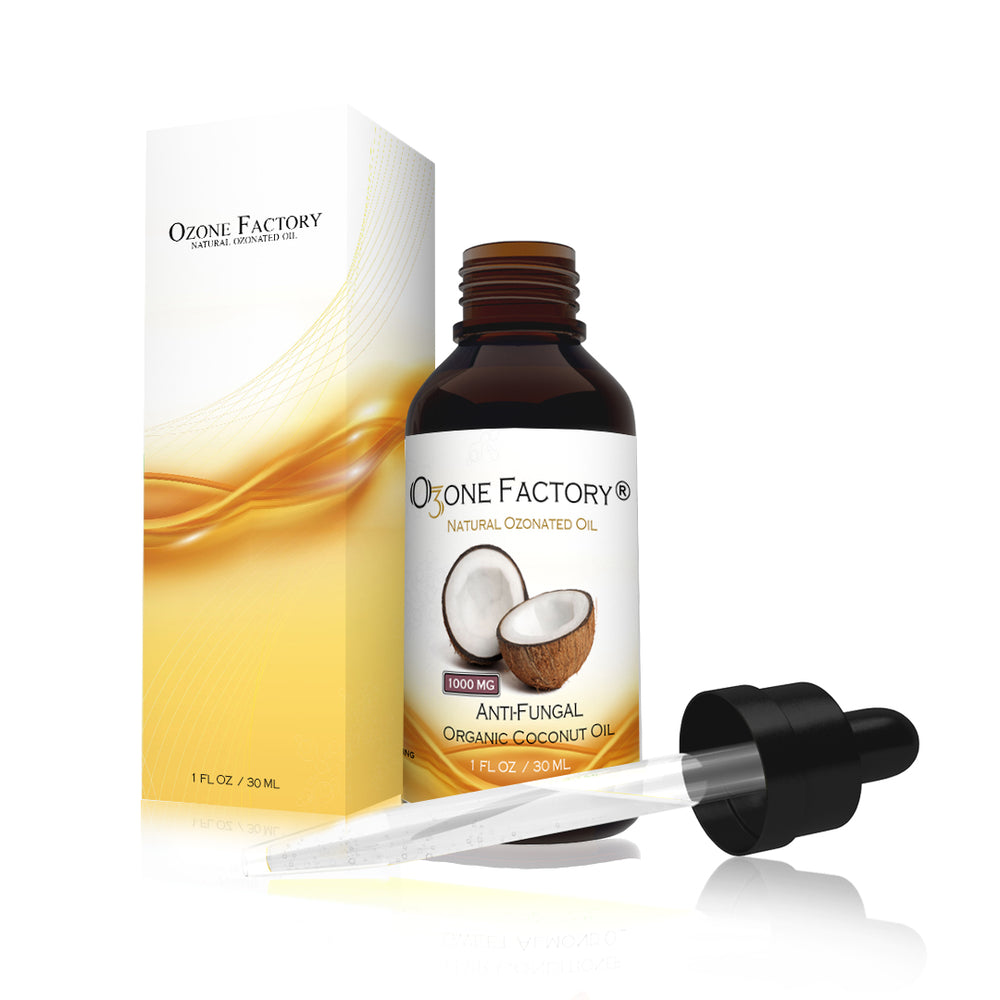
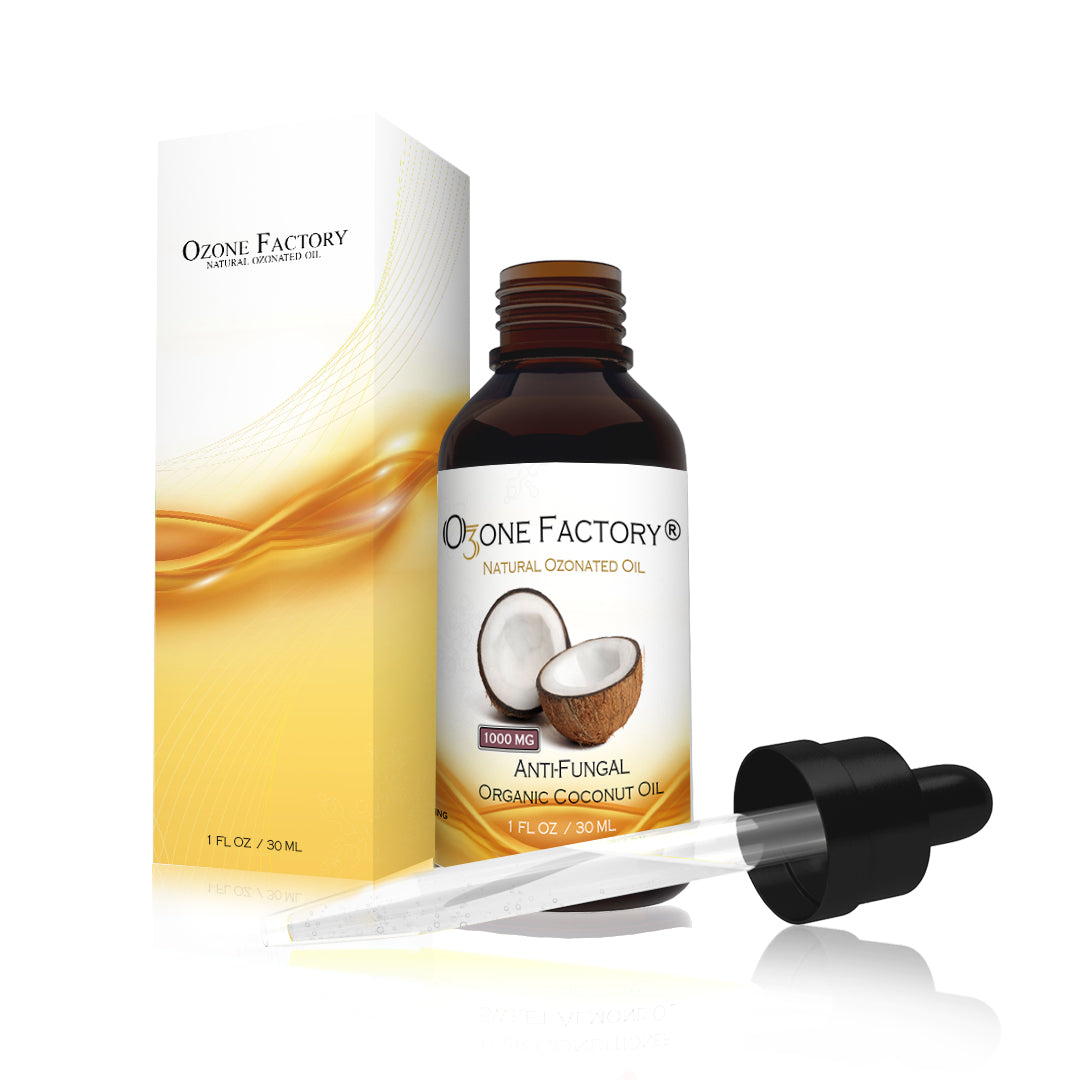
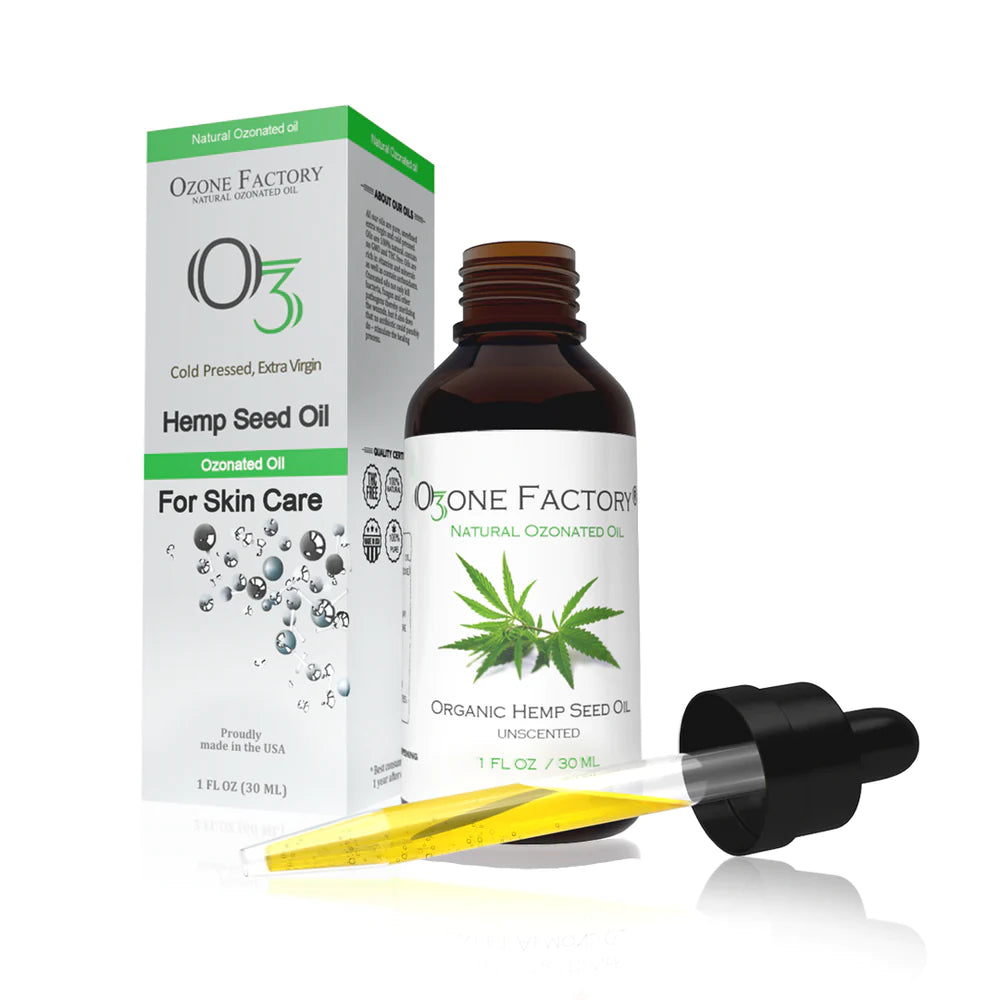
Ozonated oils are produced by infusing ozone into oils, resulting in the formation of ozonides with biologically active properties. In dermatological contexts, these oils have gained attention for their potential benefits in skin care.
Potential Benefits Relevant to Clogged Pores
- Antimicrobial activity: Ozonated oils may help reduce microbial load on the skin surface, supporting a balanced cutaneous microbiome.
- Anti-inflammatory effects: By modulating local inflammatory responses, they may help calm irritated or congested skin.
- Improved oxygenation: Ozone-related compounds may enhance local oxygen availability, supporting tissue regeneration.
- Barrier support: Certain ozonated oils contribute to skin hydration and repair without excessive occlusion when properly formulated.
Unlike heavy occlusive oils, well-formulated ozonated oils can be used sparingly and strategically, particularly in areas prone to inflammation rather than widespread congestion.
Integrating Ozonated Oils into Skincare for Clogged Pores
When used appropriately, ozonated oils may complement existing skincare regimens by supporting skin recovery and reducing secondary inflammation associated with clogged pores. They are best applied:
- On clean skin
- In small quantities
- As a targeted treatment rather than a full-face occlusive layer
As with any topical product, formulation quality, concentration, and individual skin tolerance are critical factors.

Conclusion
Clogged pores result from a complex interaction between sebum production, keratinization, inflammation, and environmental influences. Effective management requires a balanced approach that addresses these mechanisms while preserving skin barrier integrity. In this context, ozonated oils may serve as a supportive adjunct in skincare routines, particularly for individuals seeking complementary strategies to reduce inflammation and microbial imbalance.